

 English
  عربى
عربى 
Aluminum Sliding Windows: Benefits, Costs & Installation Guide
Jun 16, 2026
Content
- 1 Why Aluminum Sliding Windows Are the Smart Choice for Modern Homes
- 2 Key Advantages of Aluminum Sliding Windows
- 3 Cost Analysis and Value Comparison
- 4 Installation Best Practices and Considerations
- 5 Maintenance and Care Guidelines
- 6 Environmental Impact and Sustainability
- 7 Making the Right Choice for Your Home
Why Aluminum Sliding Windows Are the Smart Choice for Modern Homes
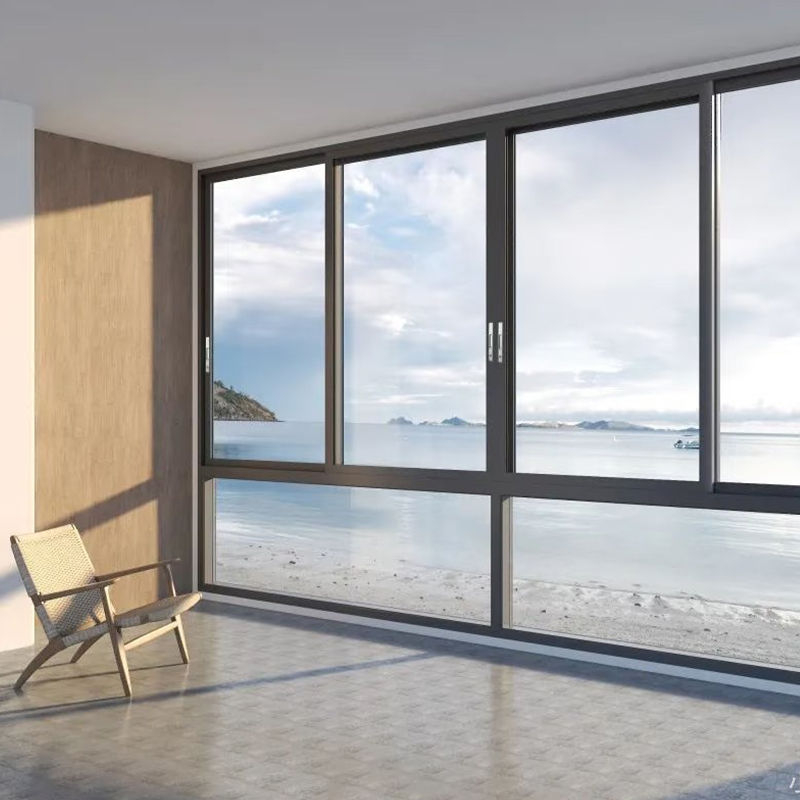
Aluminum sliding windows offer an optimal combination of durability, low maintenance, sleek aesthetics, and thermal performance, making them one of the most popular window choices for contemporary residential and commercial buildings. With a lifespan exceeding 30-40 years and minimal upkeep requirements, these windows provide excellent long-term value while maximizing natural light and ventilation.
Unlike traditional wood or vinyl alternatives, aluminum frames resist warping, rotting, and corrosion even in harsh coastal environments. The material's inherent strength allows for slimmer profiles that create larger glass areas, enhancing views and daylight penetration without compromising structural integrity.
Key Advantages of Aluminum Sliding Windows
Understanding the specific benefits helps homeowners make informed decisions when selecting window materials for their properties.
Exceptional Durability and Longevity
Aluminum is naturally resistant to rust and corrosion, especially when treated with powder coating or anodized finishes. These windows withstand extreme weather conditions including heavy rain, intense UV exposure, and temperature fluctuations from -40°F to 180°F without degrading.
- Resistant to warping and cracking unlike wood frames
- Does not swell or shrink with humidity changes
- Maintains structural integrity for decades with proper installation
- Ideal for coastal areas where salt air corrodes other materials
Superior Energy Efficiency
Modern aluminum sliding windows incorporate thermal break technology that significantly reduces heat transfer. A thermal break is a barrier made of insulating material placed between the interior and exterior aluminum profiles, reducing conductivity by up to 60%.
When paired with double or triple-pane insulated glass units (IGUs) filled with argon gas, these windows achieve U-values as low as 0.30 BTU/(hr·ft²·°F), meeting or exceeding ENERGY STAR requirements in most climate zones.
Minimal Maintenance Requirements
Unlike wood windows that require regular painting and sealing, aluminum sliding windows need only occasional cleaning with mild soap and water. The powder-coated finish resists fading, chipping, and peeling, maintaining its appearance for 15-20 years before any touch-up might be needed.
Sleek, Modern Aesthetics
The strength-to-weight ratio of aluminum allows manufacturers to create frames that are 30-40% slimmer than vinyl alternatives while maintaining the same structural performance. This results in larger glass surfaces and unobstructed views that complement contemporary architectural styles.
Available in numerous colors and finishes including matte black, bronze, white, and custom RAL colors, aluminum windows can match any design aesthetic from minimalist modern to traditional transitional.
Cost Analysis and Value Comparison
Understanding the financial aspects helps determine whether aluminum sliding windows fit within your budget and provide adequate return on investment.
| Material Type | Average Cost per Window | Expected Lifespan | Annual Maintenance Cost |
|---|---|---|---|
| Aluminum Sliding | $450 - $900 | 30-40 years | $10 - $20 |
| Vinyl Sliding | $300 - $650 | 20-30 years | $5 - $15 |
| Wood Sliding | $600 - $1,200 | 15-25 years | $50 - $100 |
| Fiberglass Sliding | $500 - $950 | 30-50 years | $15 - $25 |
While aluminum windows have a higher upfront cost than vinyl, their longer lifespan and lower maintenance requirements result in comparable or better total cost of ownership over 30 years. For homeowners planning to stay in their property long-term, aluminum represents a sound investment.
Factors That Influence Pricing
- Glass configuration: Double-pane adds $50-$100 per window; triple-pane adds $100-$200
- Thermal break technology: Premium thermal breaks increase cost by 15-25%
- Custom sizes: Non-standard dimensions add 20-40% to base price
- Hardware quality: Premium rollers and locking mechanisms add $30-$75 per window
- Installation complexity: Multi-story installations or structural modifications increase labor costs by 30-50%
Installation Best Practices and Considerations
Proper installation is critical to ensuring aluminum sliding windows perform as designed and achieve their expected lifespan. Even the highest quality windows will underperform if installed incorrectly.
Professional vs. DIY Installation
While experienced DIYers can install replacement windows in existing frames, new construction or full-frame replacements should always be handled by licensed professionals. Improper installation can void warranties and lead to air infiltration, water leaks, and operational issues.
Professional installation typically costs $150-$300 per window depending on complexity, but ensures proper flashing, sealing, and alignment that protects your investment.
Critical Installation Steps
- Accurate measurement: Measure width and height at three points each; use the smallest measurement to ensure proper fit
- Proper flashing: Install waterproof membrane or flashing tape around the rough opening to prevent water intrusion
- Level and plumb positioning: Use shims to ensure the frame is perfectly level and plumb; uneven installation causes binding and premature wear
- Adequate insulation: Fill gaps between frame and rough opening with expanding foam insulation rated for windows
- Quality sealant application: Apply exterior-grade silicone sealant around the perimeter to create a weatherproof barrier
- Hardware adjustment: Fine-tune roller height and track alignment for smooth operation after installation
Common Installation Mistakes to Avoid
- Oversizing or undersizing the rough opening by more than 1/4 inch
- Failing to install proper drainage systems in the track
- Using inappropriate fasteners that corrode or damage the frame
- Neglecting to check squareness of the opening before installation
- Applying excessive force when inserting the window into the opening
Maintenance and Care Guidelines
One of the primary advantages of aluminum sliding windows is their minimal maintenance requirements. Following simple care routines ensures optimal performance and extends the life of your windows.
Regular Cleaning Schedule
- Monthly: Wipe down frames with a soft cloth dampened with mild soap solution; rinse with clean water
- Quarterly: Clean tracks thoroughly using a vacuum with brush attachment followed by wiping with damp cloth
- Semi-annually: Inspect and clean weep holes to ensure proper drainage; lubricate rollers with silicone-based lubricant
- Annually: Check weatherstripping for wear and replace if cracked or compressed; inspect hardware for loose screws
Addressing Common Issues
Sticky or difficult sliding: Usually caused by dirt accumulation in tracks or worn rollers. Clean tracks thoroughly and consider replacing rollers if they show visible wear. Roller replacement costs $15-$40 per pair and can be done without removing the entire window.
Drafts or air leakage: Check weatherstripping condition and ensure it makes full contact with the sash. Replace worn weatherstripping which typically costs $5-$15 per linear foot.
Condensation between panes: Indicates seal failure in the insulated glass unit. The IGU must be replaced by a professional, costing $150-$300 per pane depending on size and glass type.
What Not to Do
- Never use abrasive cleaners, steel wool, or harsh chemicals that damage the finish
- Avoid pressure washers which can force water past seals and damage internal components
- Do not hang heavy objects from the window frame or use it as a support structure
- Never force a window that sticks; identify and address the underlying cause instead
Environmental Impact and Sustainability
Aluminum is one of the most sustainable building materials available, offering significant environmental benefits throughout its lifecycle.
Recyclability and Circular Economy
Aluminum is 100% recyclable without loss of quality, and recycling aluminum requires only 5% of the energy needed to produce primary aluminum from bauxite ore. Approximately 75% of all aluminum ever produced is still in use today, demonstrating its exceptional longevity and recyclability.
Most aluminum window manufacturers use recycled content ranging from 40-75% in their products, significantly reducing the carbon footprint associated with production.
Energy Savings Contribution
High-performance aluminum sliding windows with thermal breaks and low-E glass can reduce heating and cooling costs by 15-30% compared to single-pane windows. Over a 30-year lifespan, this translates to substantial energy savings and reduced greenhouse gas emissions.
Many aluminum window systems qualify for ENERGY STAR certification and may be eligible for federal or state tax credits and utility rebates, further improving their economic and environmental value proposition.
Making the Right Choice for Your Home
Selecting aluminum sliding windows involves balancing performance requirements, aesthetic preferences, and budget constraints. Here are key considerations to guide your decision.
When Aluminum Sliding Windows Are Ideal
- Coastal or high-humidity environments where corrosion resistance is critical
- Modern or contemporary architectural styles requiring slim profiles
- Large openings where structural strength is necessary
- Homeowners seeking low-maintenance solutions with long-term durability
- Commercial applications requiring fire-rated or impact-resistant options
Questions to Ask Suppliers
- What is the U-factor and Solar Heat Gain Coefficient (SHGC) of the proposed window?
- Does the system include a thermal break, and what material is used?
- What warranty coverage is provided for frames, glass, and hardware?
- Are the windows tested and certified to meet local building codes and energy standards?
- What percentage of recycled content is used in the aluminum profiles?
- Can you provide references from recent installations in similar climates?
Investing in quality aluminum sliding windows pays dividends through decades of reliable performance, energy savings, and enhanced home value. By understanding the technical specifications, installation requirements, and maintenance needs, you can make an informed decision that serves your home and family well into the future.


- Mobile
- Products
- Aluminum Window Series
- Aluminum Door Series
- Aluminum Sunroom Series
- Aluminum Sunroof Series
- Aluminum Louver Series
- Aluminum Railing Series
- Aluminum curtain wall
- Aluminum panel
- Aluminum door, window and curtain wall auxiliary materials
- Contact Us
-
-
+86-137 5720 8001

-
[email protected]

-
Room 102, Building 7, No. 399 Shushan Road, Hudong Street, Wuxing District, Huzhou City, Zhejiang Province, China

-



