

 English
  عربى
عربى 
Product Categories
Contact Us
Aluminum Sunroom Manufacturers
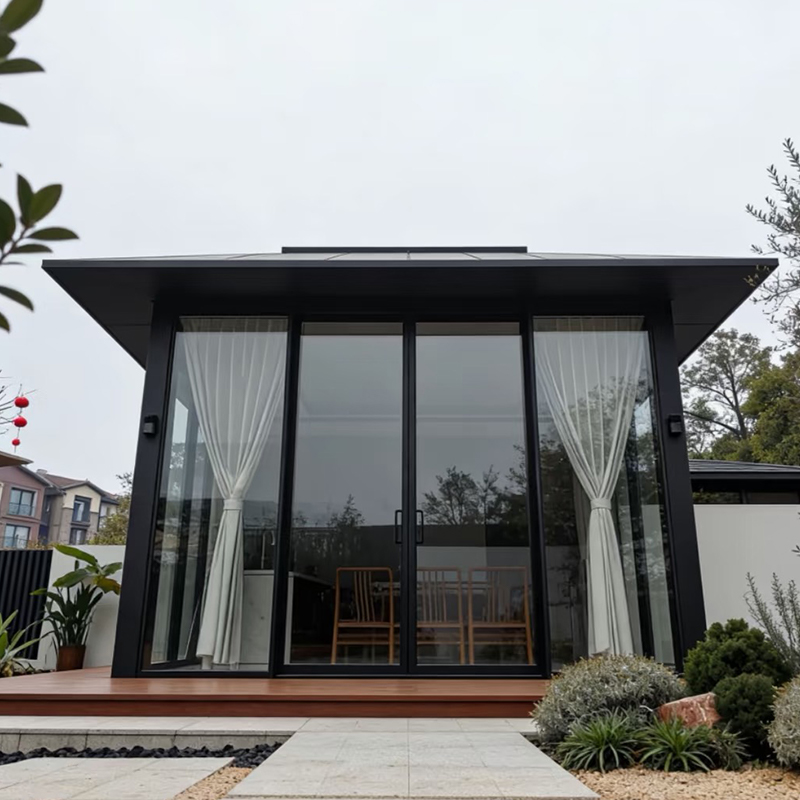
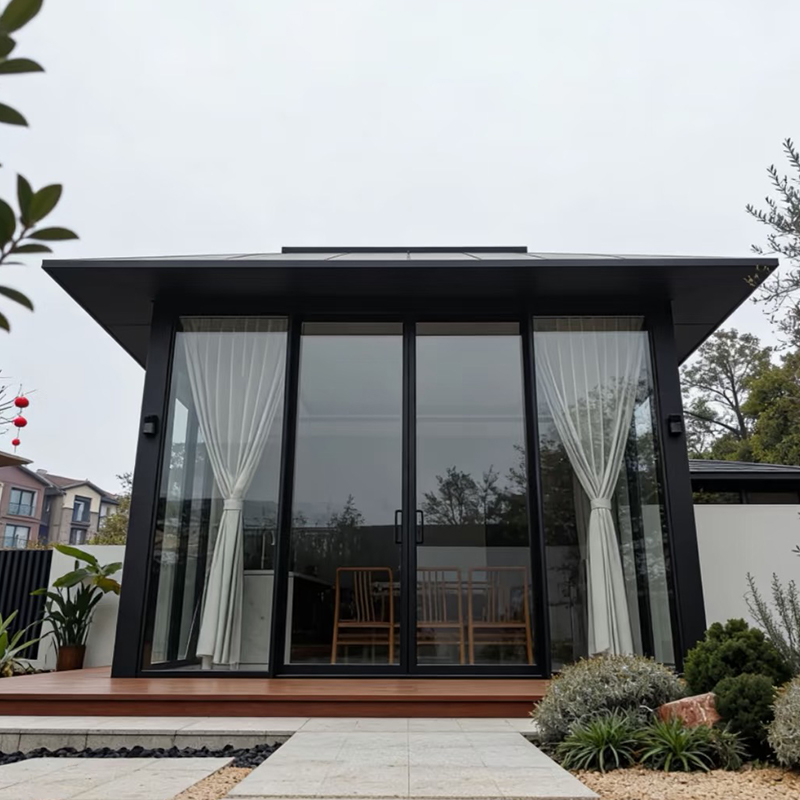
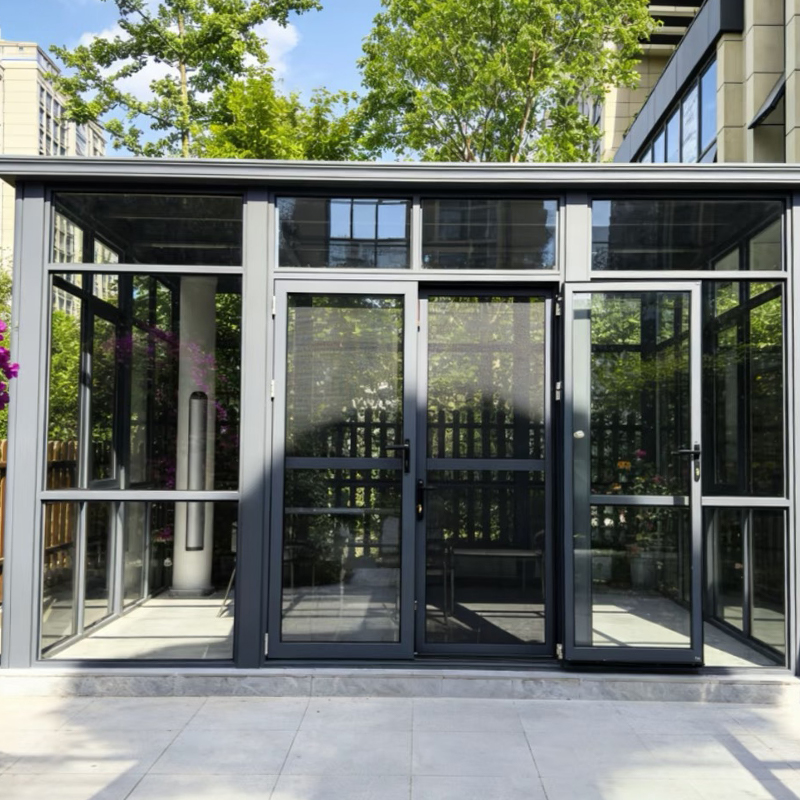
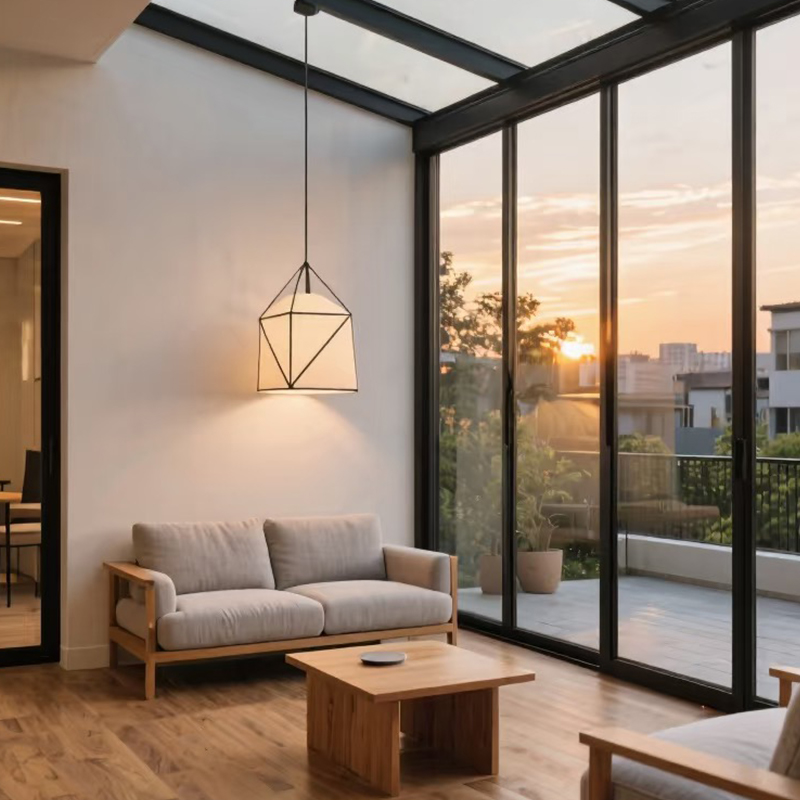
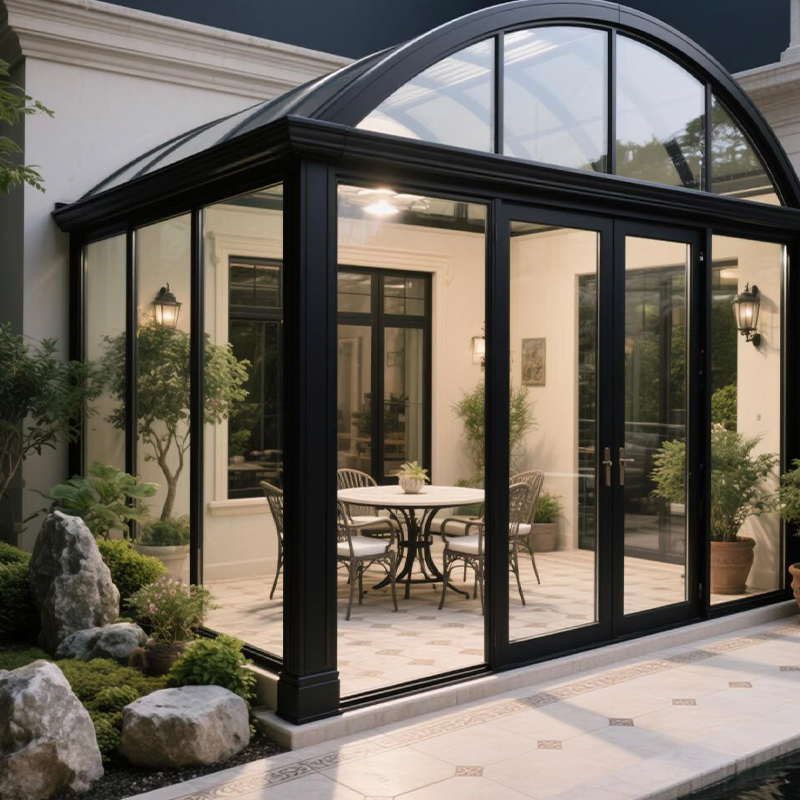
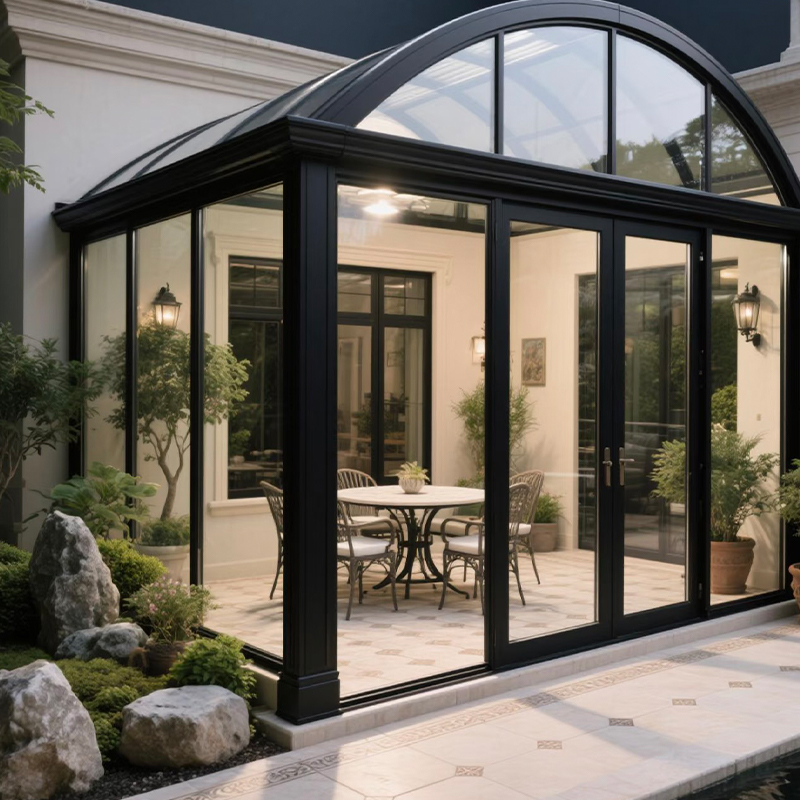
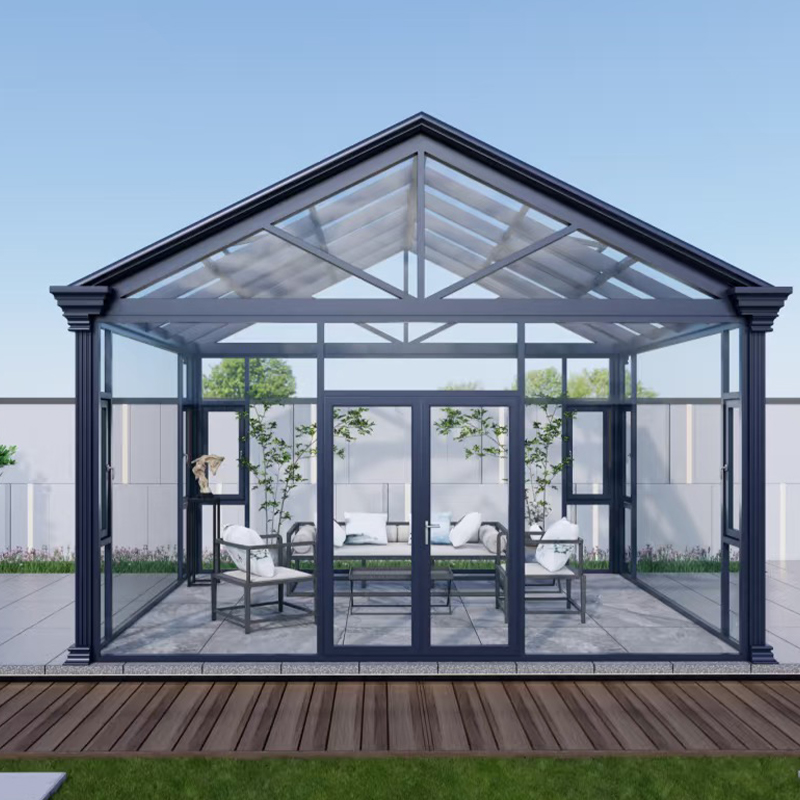
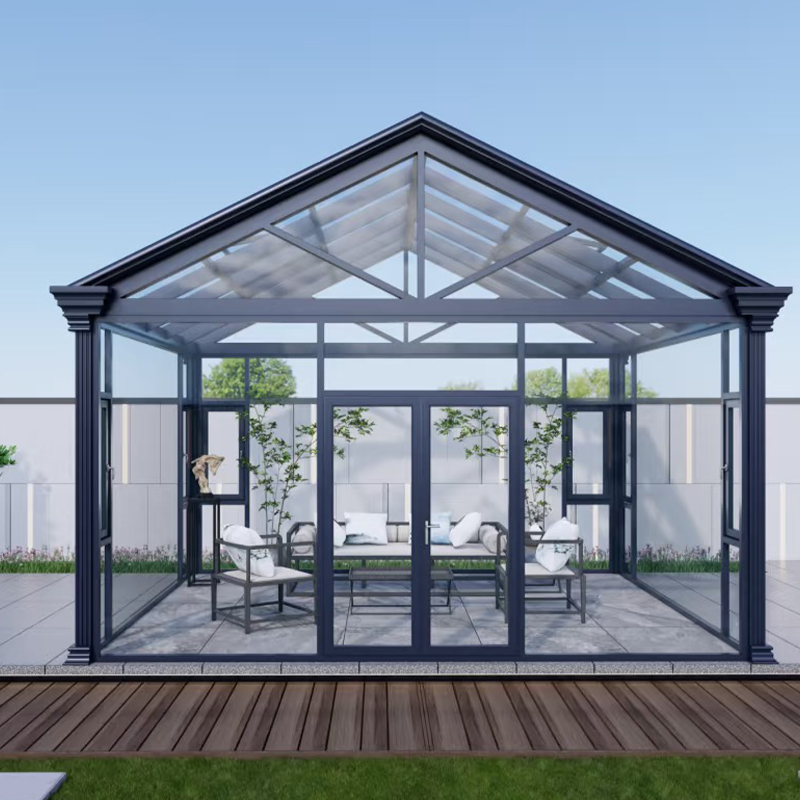
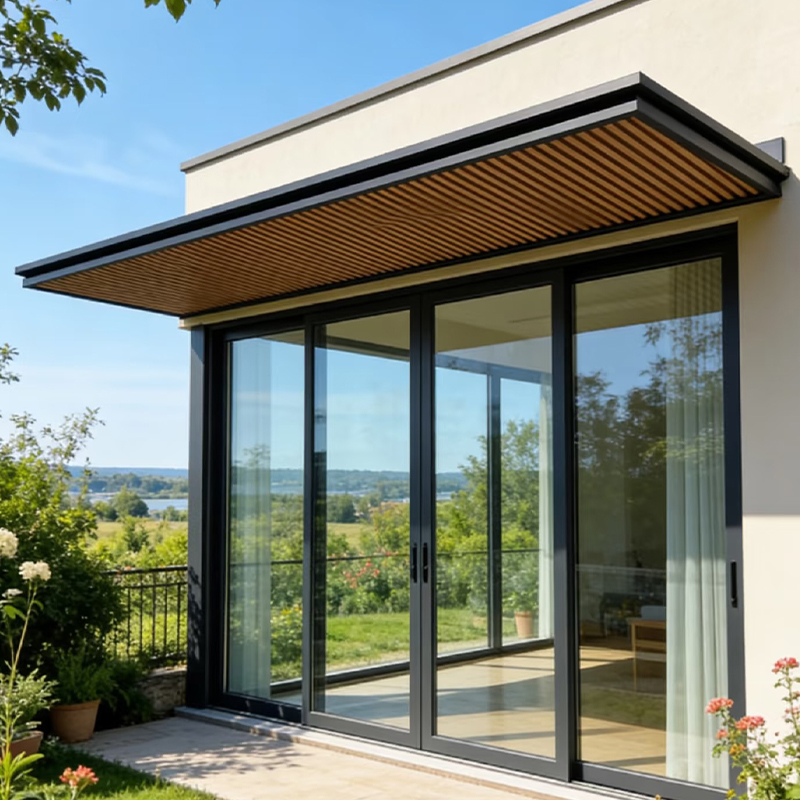
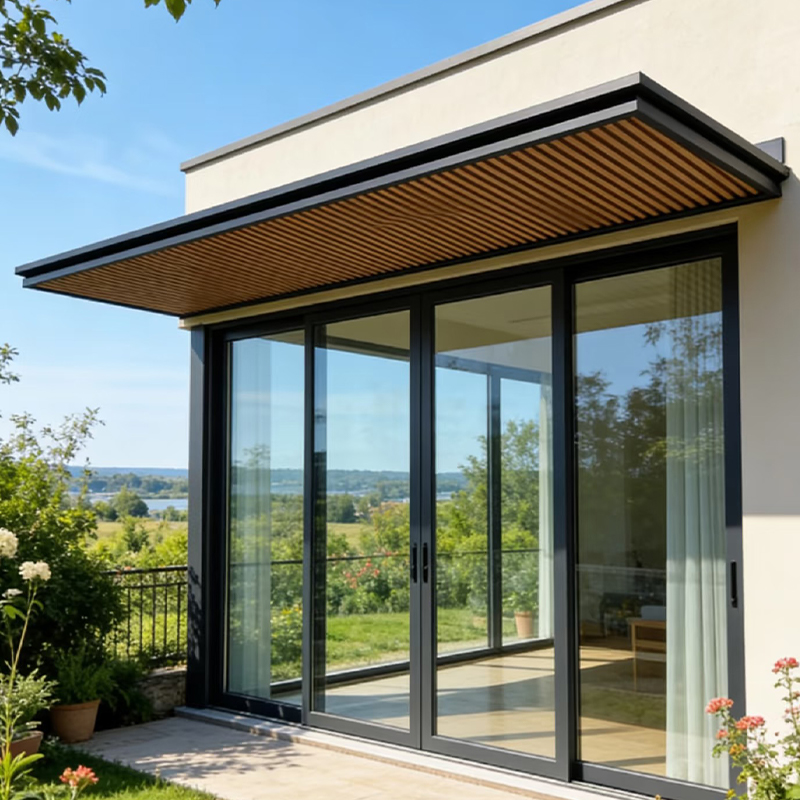
Dongcheng's aluminum sunroom series transforms outdoor courtyards, terraces, and garden spaces into fully functional, year-round living areas. Main frames are constructed from heavy-gauge aluminum profiles that have been treated for weather resistance, enabling the structure to withstand prolonged sun exposure, heavy rainfall, strong winds, and seasonal temperature extremes without warping or corroding.
A broad selection of roof forms — flat, arched, A-frame, pyramid, dome, and bespoke irregular geometries — allows each sunroom to complement its surrounding architecture while meeting specific load and drainage requirements. Glazing options include high-transparency tempered glass, laminated safety glass, and smart electrochromic glass, with optional integration of motorized shading, ventilation windows, and intelligent climate control systems.
Each sunroom is custom-built to the client's site dimensions and functional brief, with full-service design, fabrication, and installation support from Dongcheng. The result is a seamless extension of indoor living space that maximizes natural light while delivering the comfort, privacy, and protection of an enclosed room.
About Dongcheng
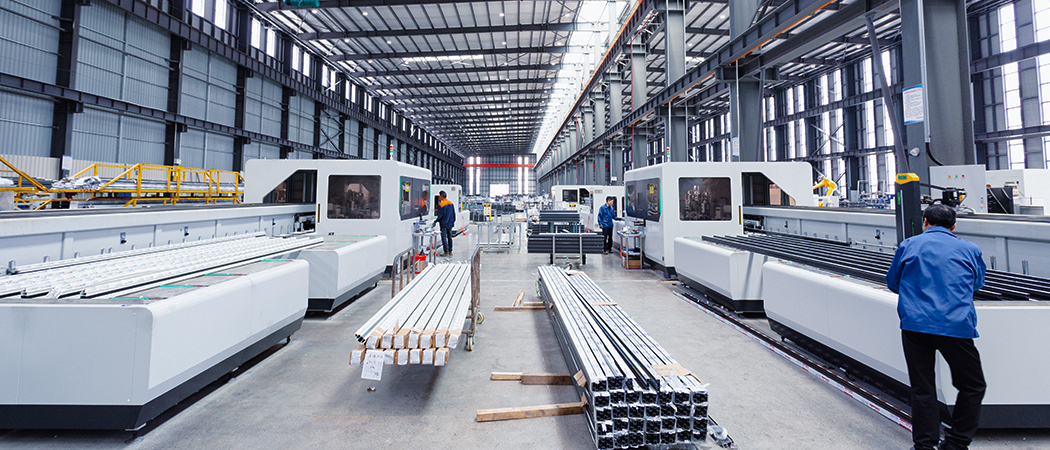
Located in the High-tech Industrial Park of Wuxing District, Huzhou, Zhejiang, China, Zhejiang Dongcheng Energy Saving Technology Co., Ltd. is a professional manufacturer specializing in aluminum energy-efficient doors and windows, fire-rated doors and windows, curtain wall systems, railings, shading systems, and skylights. Aluminum Sunroom Manufacturers and Aluminum Sunroom Factory in China. Integrating R&D, design, production, installation, and after-sales service, we provide complete solutions for a wide range of building applications.
With advanced production equipment, a well-established management system, and an experienced professional team, we are committed to delivering reliable products and consistent quality. Operating in accordance with the ISO9000 quality management system, we implement standardized control throughout the production process to ensure that our products meet relevant standards and project requirements. Custom Aluminum Sunroom
Driven by technology and innovation, we continuously improve our products and services to better serve the market. We also place great importance on safety management, maintaining strict supervision throughout project execution to ensure safe, stable, and reliable delivery.
Guided by the principles of integrity, quality, and service, we are committed to providing cost-effective products and dependable support, and we look forward to building long-term partnerships with customers worldwide.
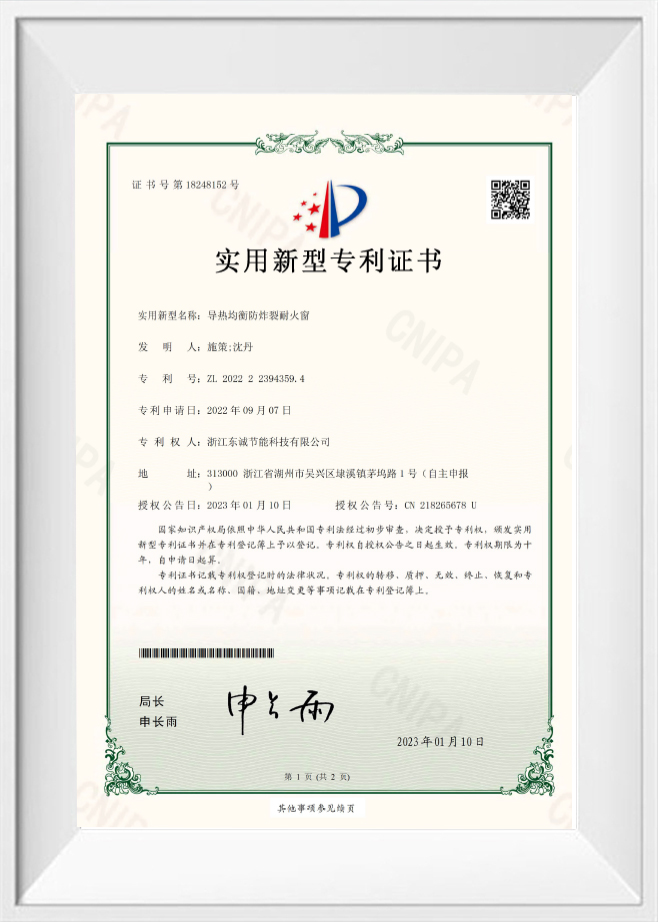
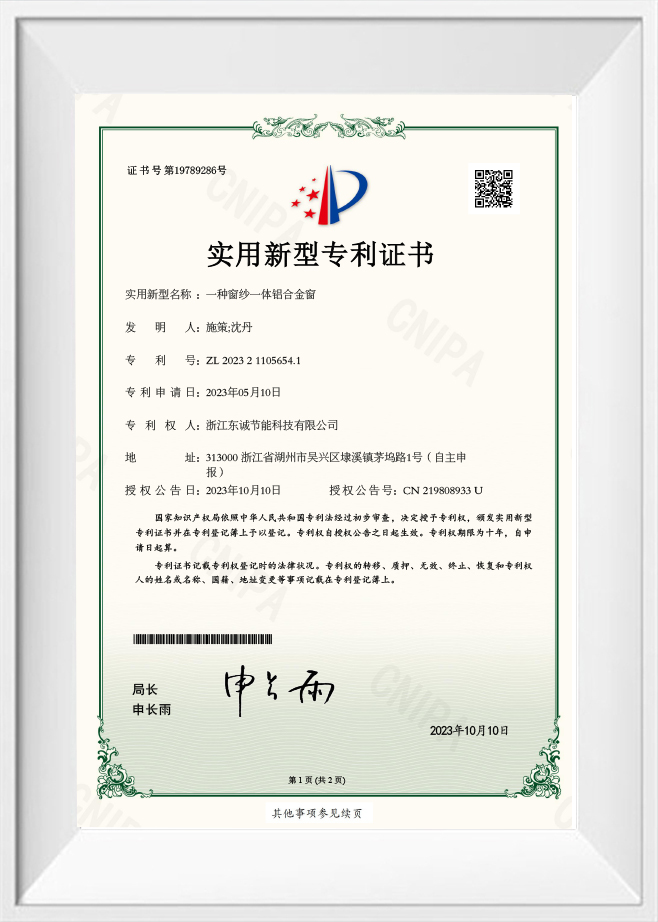
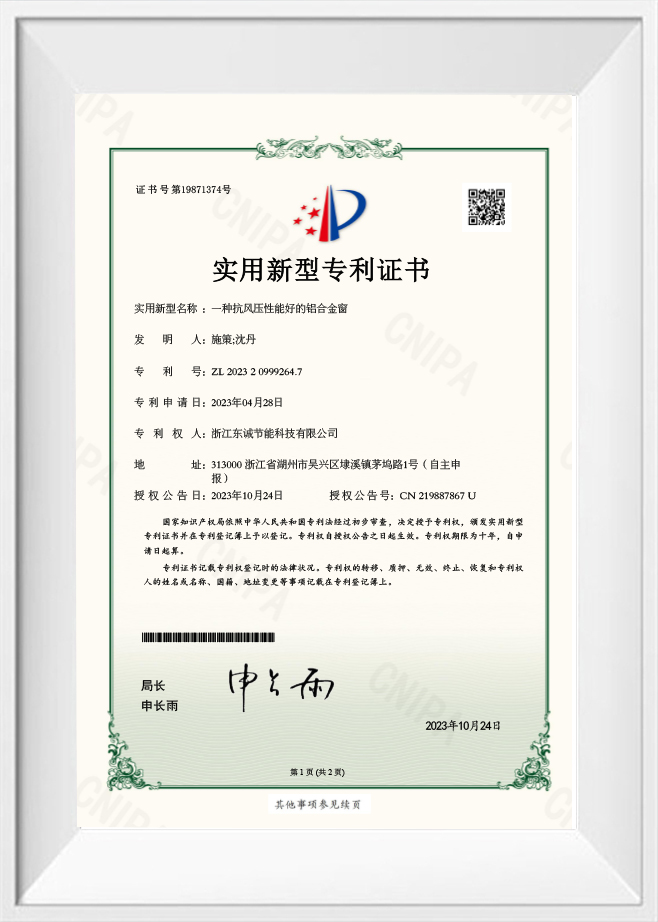
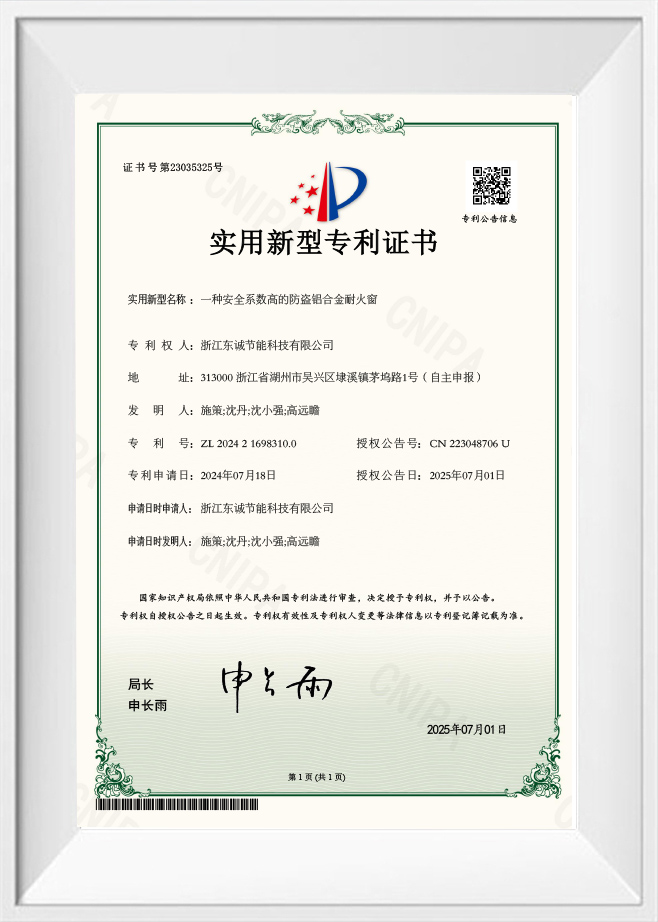
Certificate
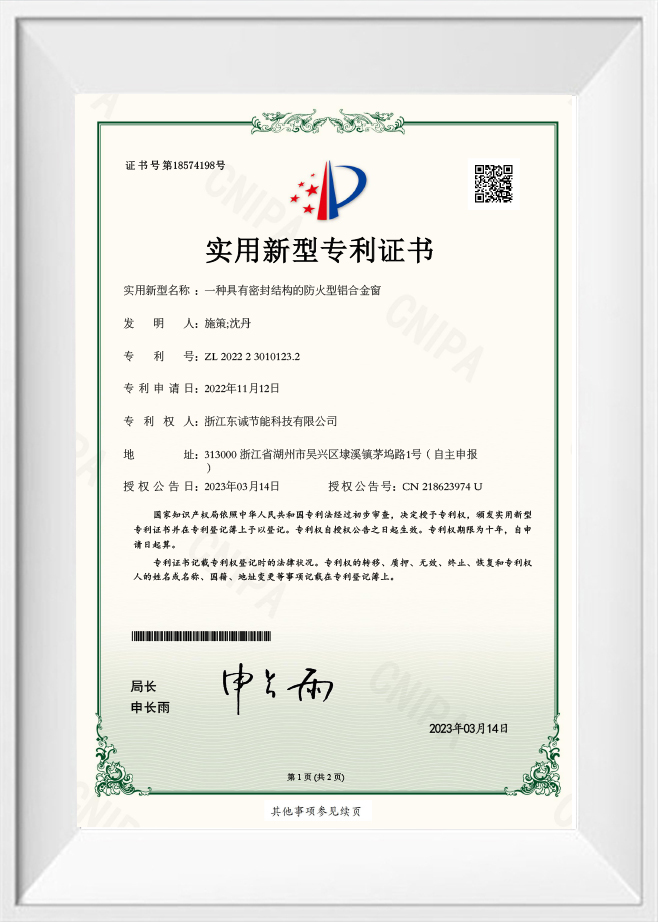
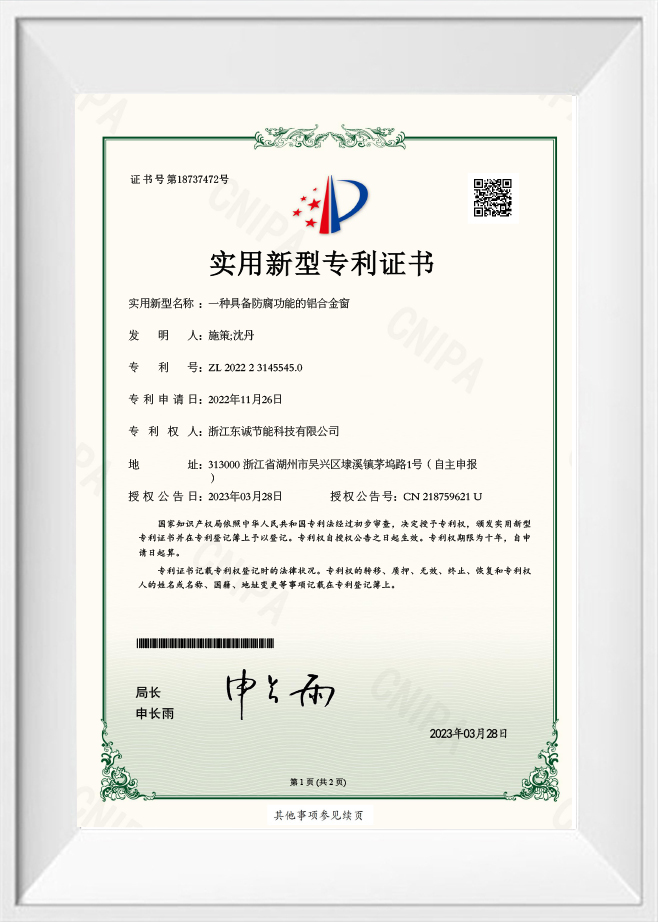
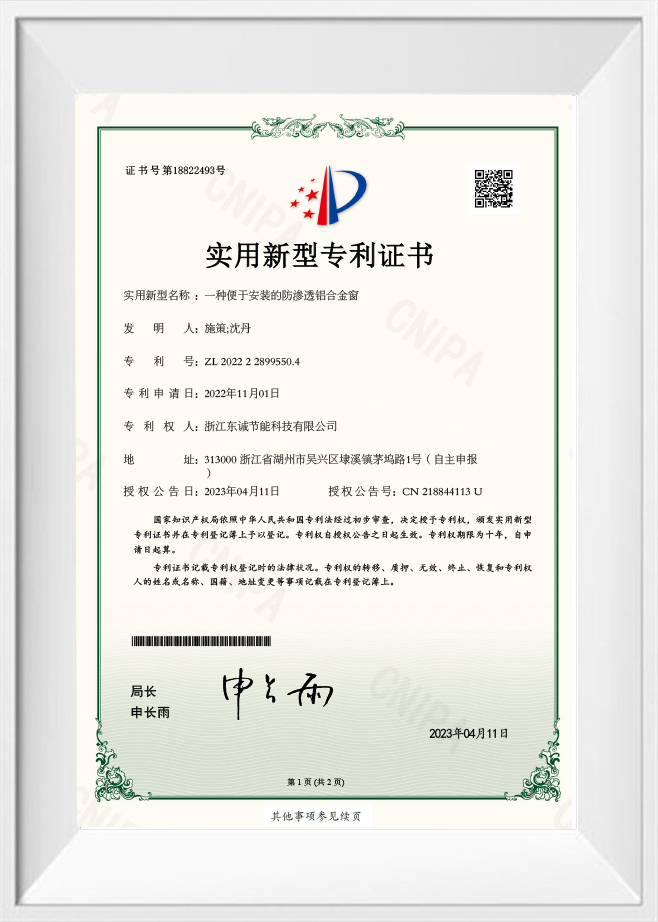
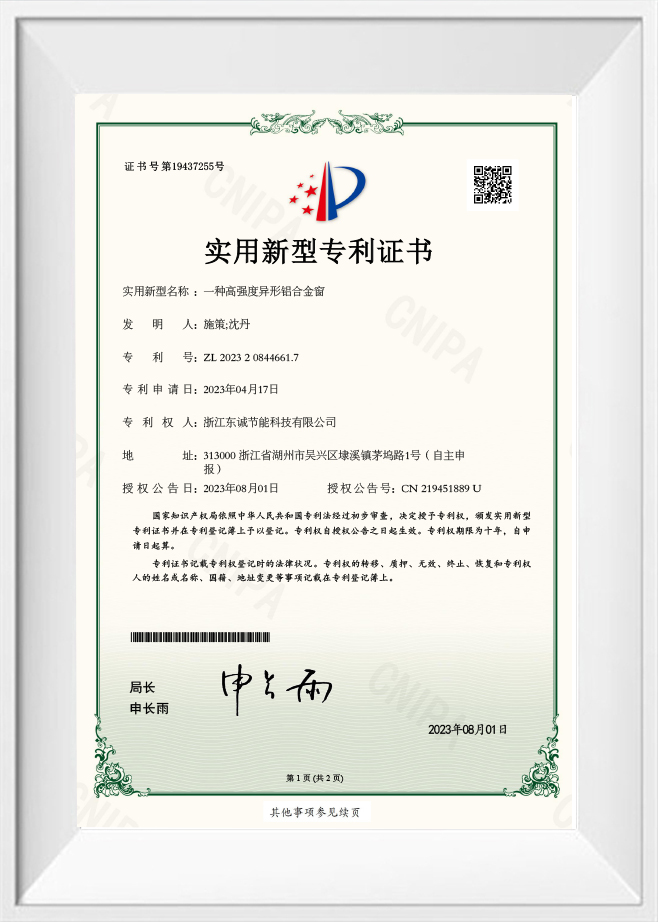
Latest Updates
Industry knowledge
Thermal Break Technology in Aluminum Sunroom Profiles
Aluminum sunrooms have evolved significantly from their early iterations, primarily due to the integration of thermal break technology. Traditional aluminum is an excellent conductor of heat, which made early aluminum-framed sunrooms uncomfortable during extreme weather conditions. Modern thermal break aluminum profiles incorporate a polyamide strip between the interior and exterior aluminum sections, effectively interrupting the thermal bridge. This innovation reduces heat transfer by up to 60% compared to non-thermal break alternatives, making aluminum sunrooms viable for year-round use in diverse climates.
The thermal break strip itself is typically made from reinforced polyamide 66 with 25% glass fiber content, providing both thermal insulation and structural integrity. The width of the thermal break varies depending on performance requirements, with standard residential applications using strips between 14mm and 34mm. Zhejiang Dongcheng Energy Saving Technology Co., Ltd., located in the High-tech Industrial Park of Wuxing District, Huzhou, Zhejiang, China, specializes in manufacturing these advanced aluminum energy-efficient systems. As a professional manufacturer integrating R&D, design, production, installation, and after-sales service, the company has developed proprietary thermal break configurations that optimize both energy efficiency and structural performance for sunroom applications.
Key Performance Metrics for Thermal Break Aluminum
- U-value ratings for thermal break aluminum sunroom frames typically range from 1.8 to 2.8 W/(m²·K), compared to 5.0-6.0 W/(m²·K) for non-thermal break aluminum
- Condensation resistance improves dramatically, with thermal break profiles maintaining interior surface temperatures above the dew point in most climate zones
- Energy savings of 20-30% are achievable when combining thermal break frames with double or triple-glazed units
- Structural strength remains comparable to solid aluminum profiles, with tensile strength exceeding 200 MPa even with the thermal break interruption
Glazing Selection Strategies for Optimal Sunroom Performance
The glazing system represents approximately 70-80% of a sunroom's surface area, making glass selection critical to overall performance. Beyond basic double glazing, several advanced options address specific challenges inherent to sunroom environments. Low-emissivity (Low-E) coatings reflect infrared radiation while allowing visible light transmission, reducing summer heat gain by up to 40% without compromising natural illumination. For regions with intense solar exposure, spectrally selective Low-E coatings provide superior performance by targeting specific wavelengths of the solar spectrum.
Laminated glass incorporation addresses safety and acoustic concerns simultaneously. The polyvinyl butyral (PVB) interlayer not only holds glass fragments together upon impact but also dampens sound transmission by 2-5 decibels compared to monolithic glass of equivalent thickness. When combined with argon or krypton gas fills in the insulated glass unit cavity, thermal performance improves further, with U-values dropping to 1.0-1.4 W/(m²·K) for triple-glazed configurations. Zhejiang Dongcheng Energy Saving Technology Co., Ltd. offers comprehensive curtain wall systems and skylights that integrate seamlessly with these advanced glazing options, ensuring cohesive performance across the entire sunroom envelope.
| Glazing Configuration | U-Value (W/m²·K) | Solar Heat Gain Coefficient | Visible Light Transmittance |
| Single Clear Glass (6mm) | 5.7 | 0.86 | 0.89 |
| Double Glazed (6-12A-6) | 2.8 | 0.76 | 0.80 |
| Double Glazed Low-E (6-12A-6) | 1.8 | 0.45 | 0.72 |
| Triple Glazed Low-E Argon | 1.1 | 0.38 | 0.68 |
Ventilation Integration for Humidity and Temperature Control
Proper ventilation design distinguishes functional sunrooms from uncomfortable greenhouses. Without adequate air exchange, sunrooms experience rapid temperature fluctuations and humidity accumulation that can damage finishes and promote mold growth. Roof vents leverage the stack effect, where warm air naturally rises and escapes through high openings, drawing cooler air through lower windows or doors. Motorized roof vent systems with rain sensors and wind detectors provide automated climate management, opening when interior temperatures exceed preset thresholds and closing during precipitation events.
Cross-ventilation strategies require careful placement of operable windows on opposing walls to maximize airflow paths. The ideal configuration positions intake openings on the windward side and exhaust openings on the leeward side, with the exhaust area approximately 20% larger than the intake to account for pressure differentials. For sunrooms exceeding 20 square meters, mechanical ventilation supplements become necessary. Heat recovery ventilators (HRVs) or energy recovery ventilators (ERVs) exchange indoor and outdoor air while transferring thermal energy, maintaining comfort levels without sacrificing ventilation rates. Zhejiang Dongcheng Energy Saving Technology Co., Ltd.'s product portfolio includes shading systems and related products that complement ventilation strategies, with integrated motorized blinds that can be programmed to respond to solar intensity and interior temperature readings.
Ventilation Rate Guidelines by Sunroom Usage
- Living space sunrooms require minimum 0.35 air changes per hour (ACH) continuous ventilation or 15 cubic feet per minute (CFM) per occupant
- Plant-focused sunrooms benefit from 1-2 ACH during daylight hours to maintain optimal growing conditions and prevent fungal issues
- Dining or entertainment sunrooms should achieve 4-6 complete air exchanges during peak occupancy periods
- Year-round usable sunrooms in humid climates require dehumidification capacity of 1-2 pints per hour per 100 square feet in addition to ventilation
Shading System Integration for Solar Gain Management
External shading systems outperform interior solutions by blocking solar radiation before it penetrates the glazing, reducing heat gain by 65-80% compared to 15-25% for interior blinds. Motorized external louvers adjustable via smartphone applications or home automation systems allow precise control throughout the day, tracking solar angles to maximize shade during peak hours while permitting morning and evening light. Retractable awnings mounted above vertical glazing provide seasonal flexibility, extending during summer months and retracting in winter to allow passive solar heating.
Integrated shading within insulated glass units offers maintenance-free operation and protection from weather damage. Venetian blind systems sealed between glass panes eliminate dust accumulation and mechanical wear while providing adjustable light control. These interstitial blinds operate via magnetic drives or motorized mechanisms, with tilt ranges from 0 to 90 degrees. For roof glazing, external roller shades with perforated fabrics balance light diffusion with heat rejection, maintaining views while reducing glare. The aluminum framing systems manufactured by Zhejiang Dongcheng Energy Saving Technology Co., Ltd. incorporate dedicated channels and mounting points for various shading accessories, ensuring clean integration without compromising structural integrity or weatherproofing. Their railings and related products for building applications complement sunroom installations, creating cohesive architectural elements throughout the property.
Comparative Effectiveness of Shading Strategies
- External motorized louvers reduce solar heat gain coefficient to 0.15-0.25 while maintaining 40-60% visible light transmittance
- Retractable awnings achieve SHGC values of 0.20-0.30 with the advantage of complete retraction for winter solar access
- Interstitial blinds between glass provide SHGC of 0.30-0.40 with zero maintenance requirements and extended lifespan
- Interior cellular shades offer SHGC of 0.45-0.55, serving as supplemental rather than primary shading strategy
- Exterior roller screens with 5% openness factor balance view preservation with 70-75% solar radiation blockage

- Mobile
- Products
- Aluminum Window Series
- Aluminum Door Series
- Aluminum Sunroom Series
- Aluminum Sunroof Series
- Aluminum Louver Series
- Aluminum Railing Series
- Aluminum curtain wall
- Aluminum panel
- Aluminum door, window and curtain wall auxiliary materials
- Contact Us
-
-
+86-137 5720 8001

-
[email protected]

-
Room 102, Building 7, No. 399 Shushan Road, Hudong Street, Wuxing District, Huzhou City, Zhejiang Province, China

-



