

 English
  عربى
عربى 
Product Categories
Contact Us
Aluminum Louver Manufacturers
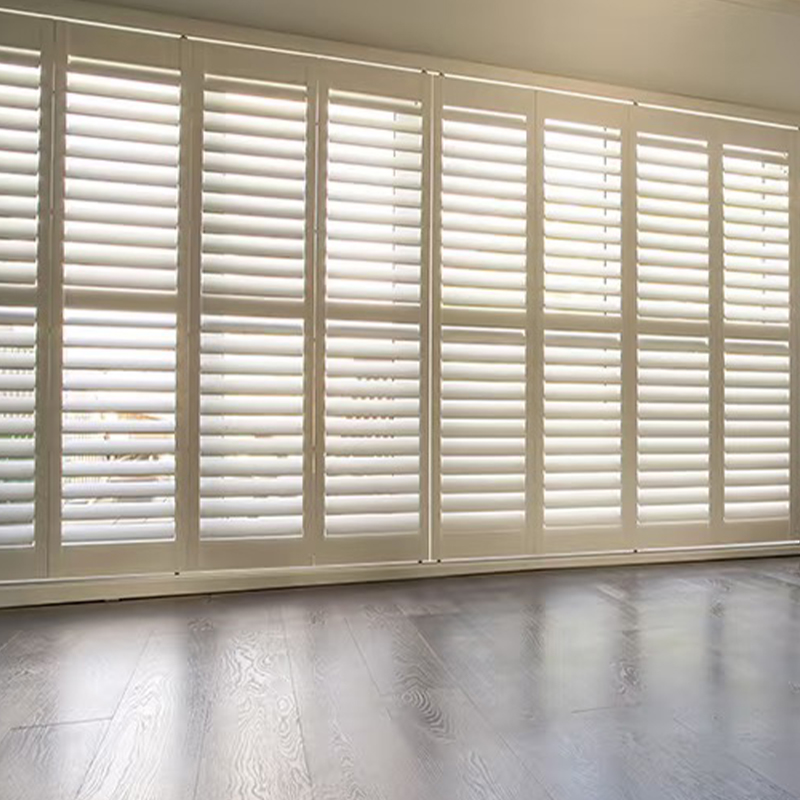
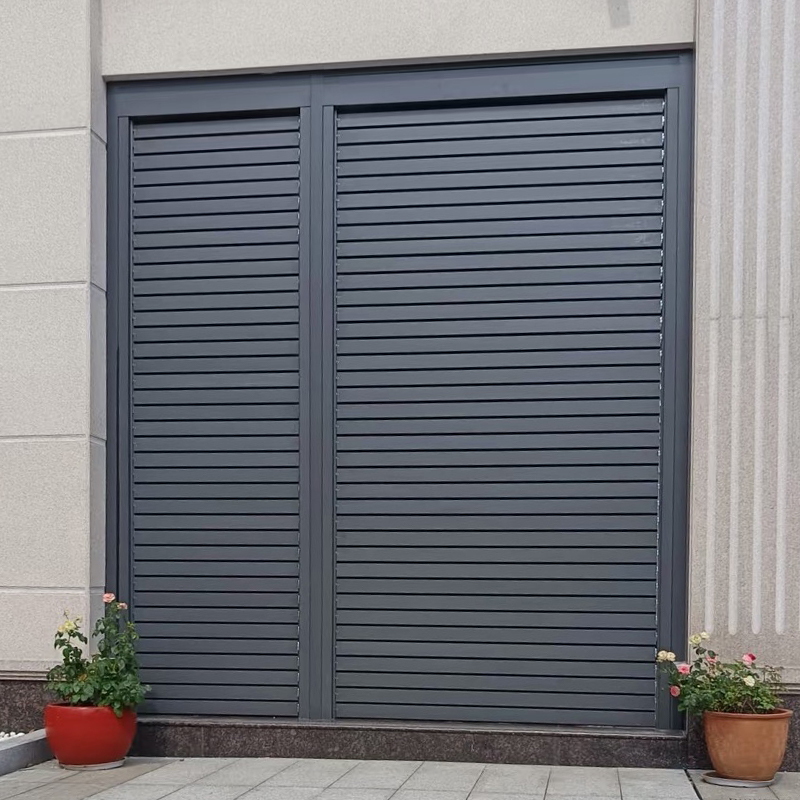
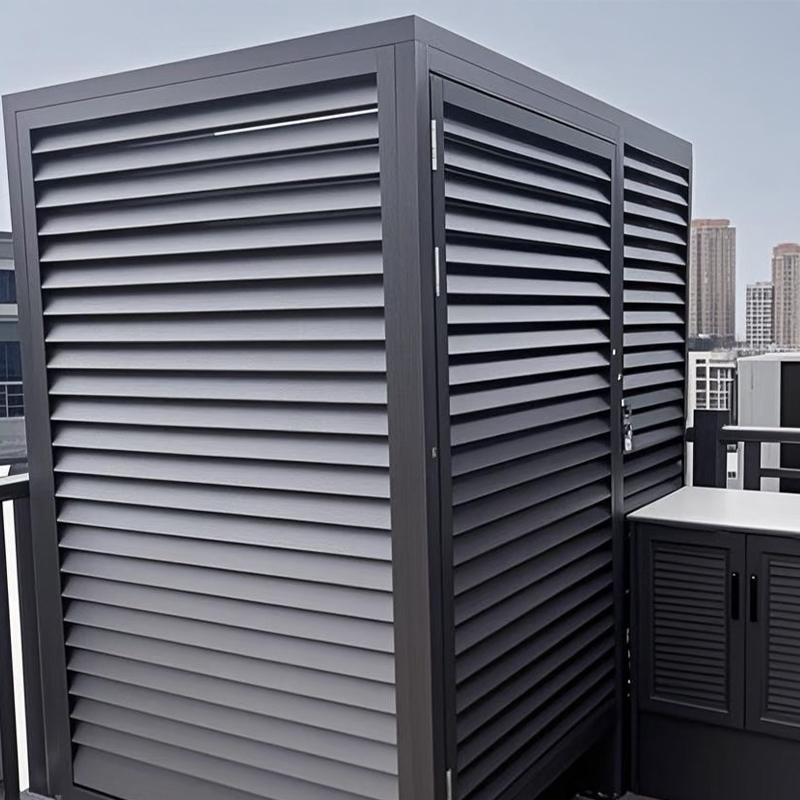
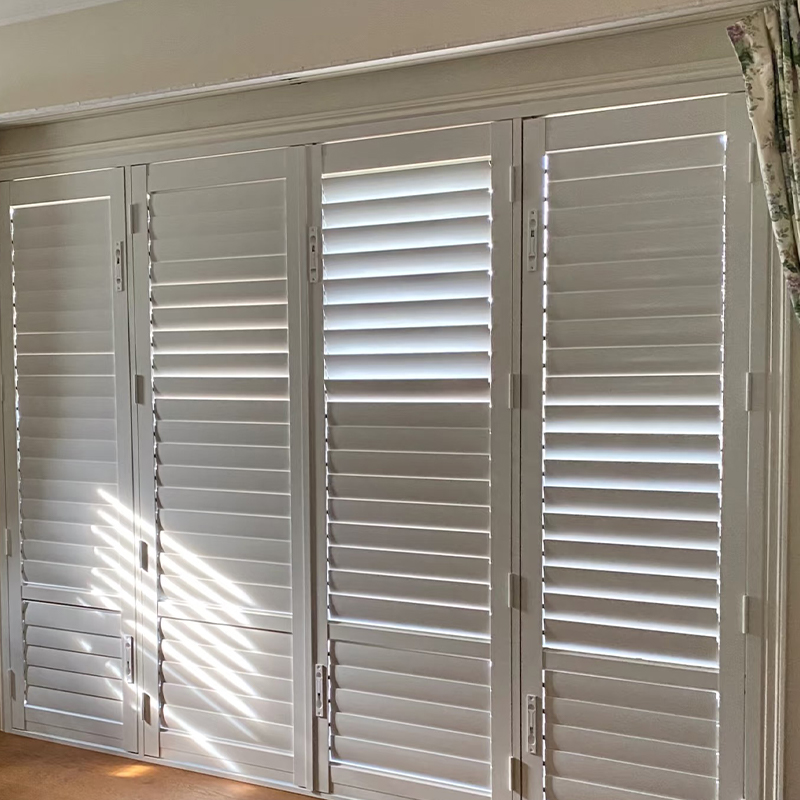
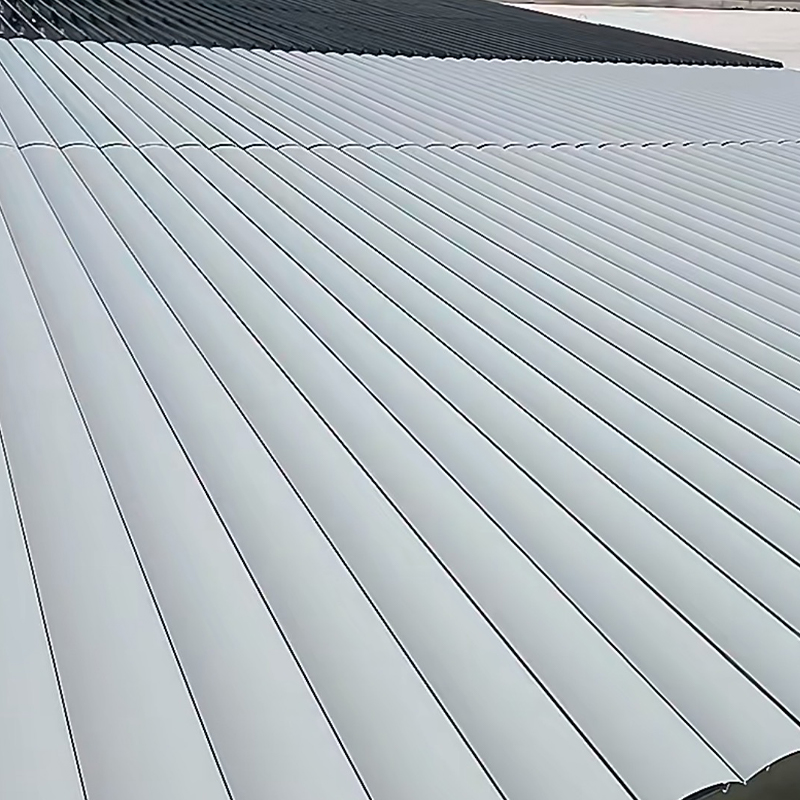
Dongcheng's aluminum louver series delivers precision-engineered ventilation, shading, and privacy control for residential and commercial applications. Each louver blade is formed from one-piece extruded aluminum, eliminating joints that could trap dust or moisture, and the full assembly — blades, frame, adjustment hardware, and mounting brackets — is fabricated from corrosion-resistant aluminum alloy treated for long-term outdoor and high-humidity performance.
Fixed and operable blade configurations are available, with the operable range allowing precise angle adjustment to balance airflow, daylight, and visual privacy as conditions change throughout the day. Motorized versions add remote, app, and voice control for hands-free automated operation. Surface finish options are extensive, enabling the louver to serve as both a functional component and a deliberate architectural element on facades, balconies, and interior partitions.
The series covers ventilation louvers, rain-resistant louvers, louvered windows, louvered doors, and electric louvers — providing a unified, durable product family for any project requiring controlled airflow and refined aesthetics.
About Dongcheng
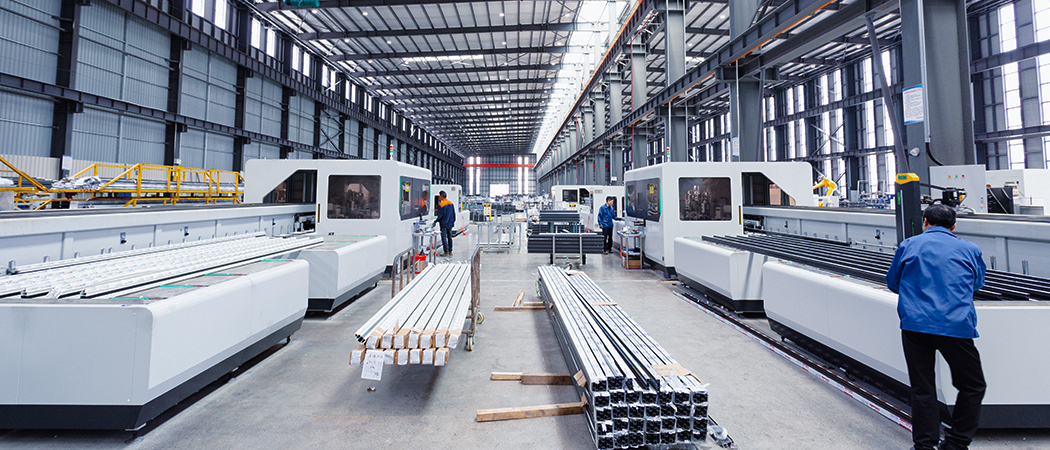
Located in the High-tech Industrial Park of Wuxing District, Huzhou, Zhejiang, China, Zhejiang Dongcheng Energy Saving Technology Co., Ltd. is a professional manufacturer specializing in aluminum energy-efficient doors and windows, fire-rated doors and windows, curtain wall systems, railings, shading systems, and skylights. Aluminum Louver Manufacturers and Aluminum Louver Factory in China. Integrating R&D, design, production, installation, and after-sales service, we provide complete solutions for a wide range of building applications.
With advanced production equipment, a well-established management system, and an experienced professional team, we are committed to delivering reliable products and consistent quality. Operating in accordance with the ISO9000 quality management system, we implement standardized control throughout the production process to ensure that our products meet relevant standards and project requirements. Custom Aluminum Louver
Driven by technology and innovation, we continuously improve our products and services to better serve the market. We also place great importance on safety management, maintaining strict supervision throughout project execution to ensure safe, stable, and reliable delivery.
Guided by the principles of integrity, quality, and service, we are committed to providing cost-effective products and dependable support, and we look forward to building long-term partnerships with customers worldwide.
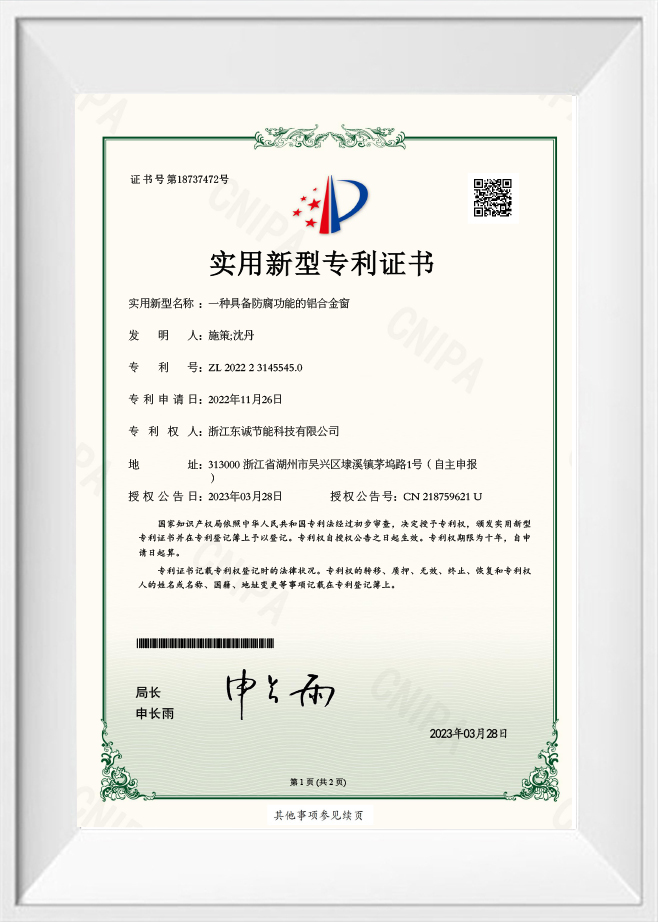
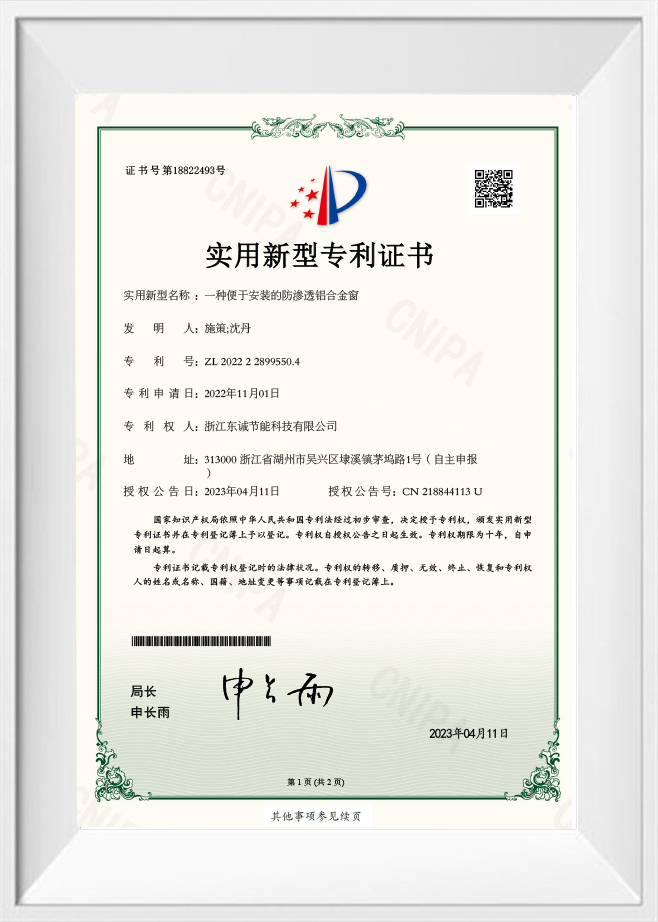
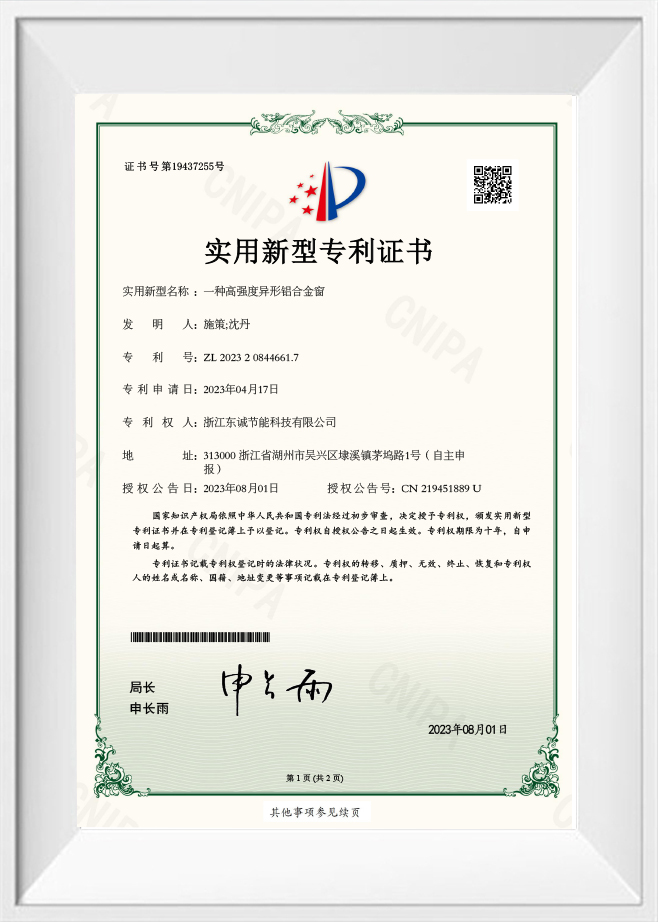
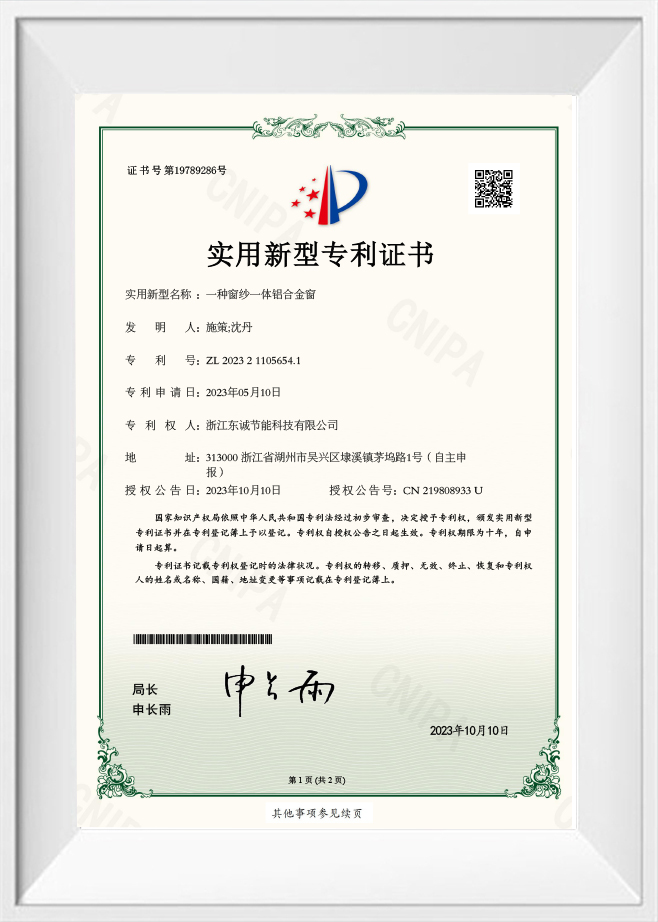
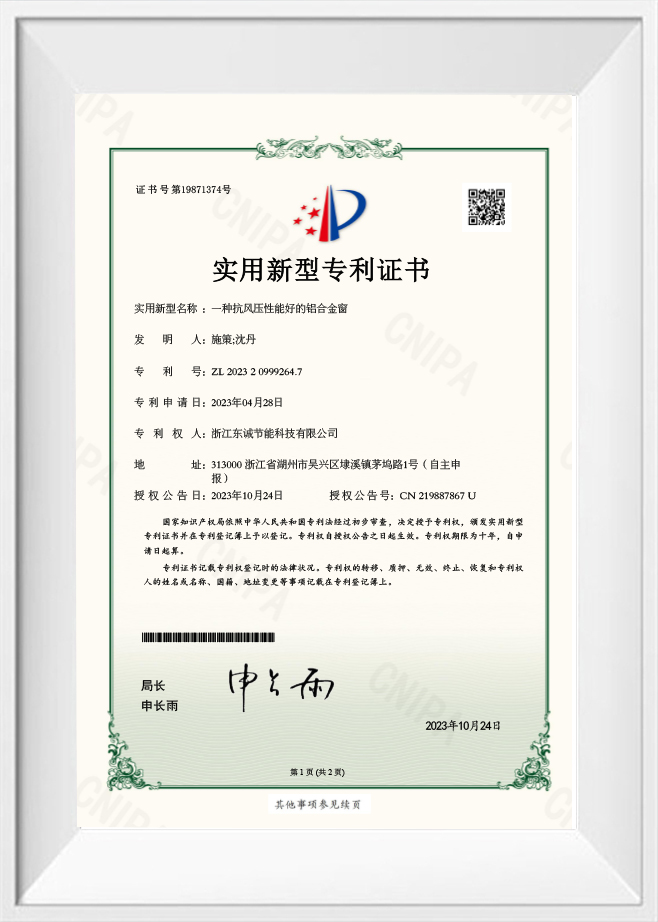
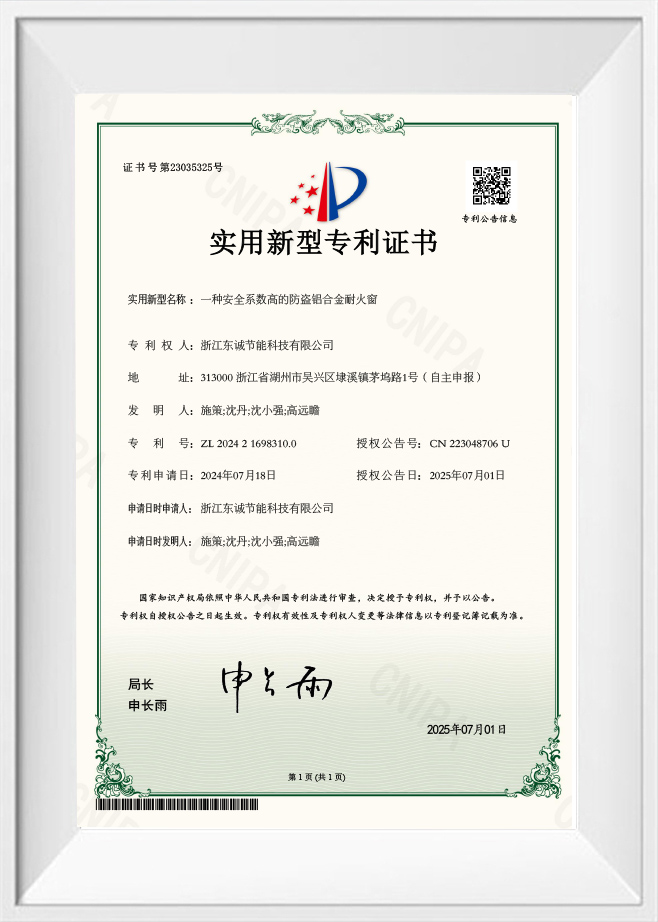
Certificate
Latest Updates
Industry knowledge
Optimizing Aluminum Louver Blade Angles for Seasonal Solar Control
The effectiveness of an Aluminum Louver system depends heavily on blade angle selection. In regions with significant seasonal temperature variations, fixed louver angles that perform well during summer may allow excessive solar gain during winter, or vice versa. Architects increasingly use solar path analysis to determine blade geometry based on building orientation, occupancy patterns, and annual daylight requirements.
As a manufacturer specializing in aluminum energy-efficient doors and windows, curtain wall systems, shading systems, and related architectural products, Zhejiang Dongcheng Energy Saving Technology Co., Ltd. recognizes that properly designed Aluminum Louver installations can reduce cooling loads while maintaining natural daylight access. This approach supports building energy efficiency without relying solely on mechanical climate control systems.
| Building Orientation | Primary Solar Challenge | Common Louver Strategy |
| South Facing | High summer sun | Horizontal blades |
| East Facing | Morning glare | Vertical fins |
| West Facing | Afternoon heat gain | Deep shading profiles |
Using Aluminum Louver Systems to Improve Mechanical Equipment Ventilation
Many building owners focus on louvers as architectural features, but they are equally important for equipment ventilation. Mechanical rooms, generator enclosures, transformer stations, and HVAC service areas require a balance between airflow capacity and weather protection. Poorly designed ventilation openings can create excessive pressure drop, reducing equipment efficiency and increasing operational costs.
An Aluminum Louver designed for ventilation applications should consider free area ratio, blade depth, rainfall penetration resistance, and maintenance accessibility. Zhejiang Dongcheng Energy Saving Technology Co., Ltd., located in the High-tech Industrial Park of Wuxing District, Huzhou, Zhejiang, China, integrates R&D, design, production, installation, and after-sales service, allowing project teams to coordinate architectural and functional requirements within a single building envelope solution.
Maintenance Planning for Large-Scale Aluminum Louver Installations
For airports, commercial complexes, hospitals, and industrial facilities, Aluminum Louver systems often cover substantial façade areas. Maintenance planning should therefore be considered during the design stage rather than after installation. Access methods, cleaning frequency, replacement procedures, and environmental exposure all influence long-term ownership costs.
Common Factors Affecting Maintenance Frequency
- Airborne dust levels in urban and industrial environments.
- Salt exposure in coastal regions.
- Pollution deposits that reduce aesthetic appearance.
- Accumulated debris that restricts ventilation performance.
Supported by advanced production equipment and a well-established management system, Zhejiang Dongcheng Energy Saving Technology Co., Ltd. focuses on producing architectural aluminum products that maintain reliable performance throughout extended service periods.
Integrating Aluminum Louver Systems with Curtain Wall Façades
Modern façade design increasingly combines Aluminum Louver assemblies with curtain wall systems to achieve both visual consistency and environmental control. The challenge lies in coordinating structural supports, thermal movement allowances, drainage paths, and façade maintenance access. Improper integration can lead to water management issues or inconsistent exterior appearance.
Because Zhejiang Dongcheng Energy Saving Technology Co., Ltd. specializes in both curtain wall systems and shading systems, designers can evaluate how Aluminum Louver components interact with surrounding façade elements during the project development stage. Early coordination often improves installation efficiency and reduces on-site modifications.
Wind Load Considerations for High-Rise Aluminum Louver Applications
As building heights increase, wind pressure becomes one of the most critical design considerations for Aluminum Louver structures. Louvers installed near building corners, rooftop equipment screens, and upper façade zones may experience significantly higher loads than those located closer to ground level. Engineers must evaluate blade span, support spacing, connection details, and potential vibration effects during severe weather conditions.
The experienced professional team at Zhejiang Dongcheng Energy Saving Technology Co., Ltd. supports a wide range of building applications that include aluminum energy-efficient doors and windows, fire-rated doors and windows, railings, skylights, shading systems, and curtain wall products. This broad project experience highlights the importance of considering structural performance alongside aesthetics when specifying Aluminum Louver systems for demanding architectural environments.

- Mobile
- Products
- Aluminum Window Series
- Aluminum Door Series
- Aluminum Sunroom Series
- Aluminum Sunroof Series
- Aluminum Louver Series
- Aluminum Railing Series
- Aluminum curtain wall
- Aluminum panel
- Aluminum door, window and curtain wall auxiliary materials
- Contact Us
-
-
+86-137 5720 8001

-
[email protected]

-
Room 102, Building 7, No. 399 Shushan Road, Hudong Street, Wuxing District, Huzhou City, Zhejiang Province, China

-



