

 English
  عربى
عربى 
Product Categories
Contact Us
Aluminum curtain wall Manufacturers
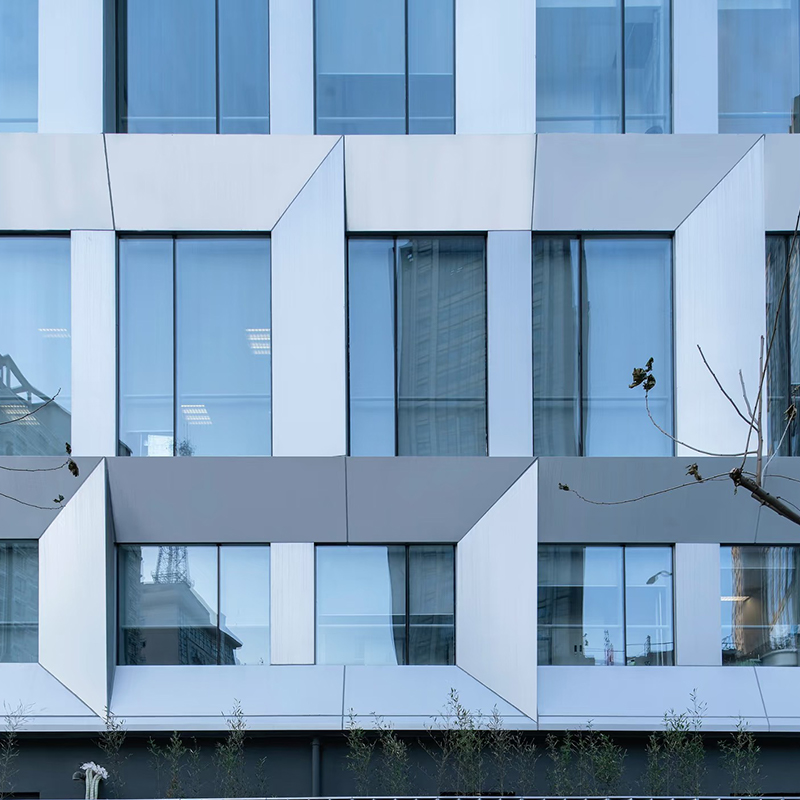
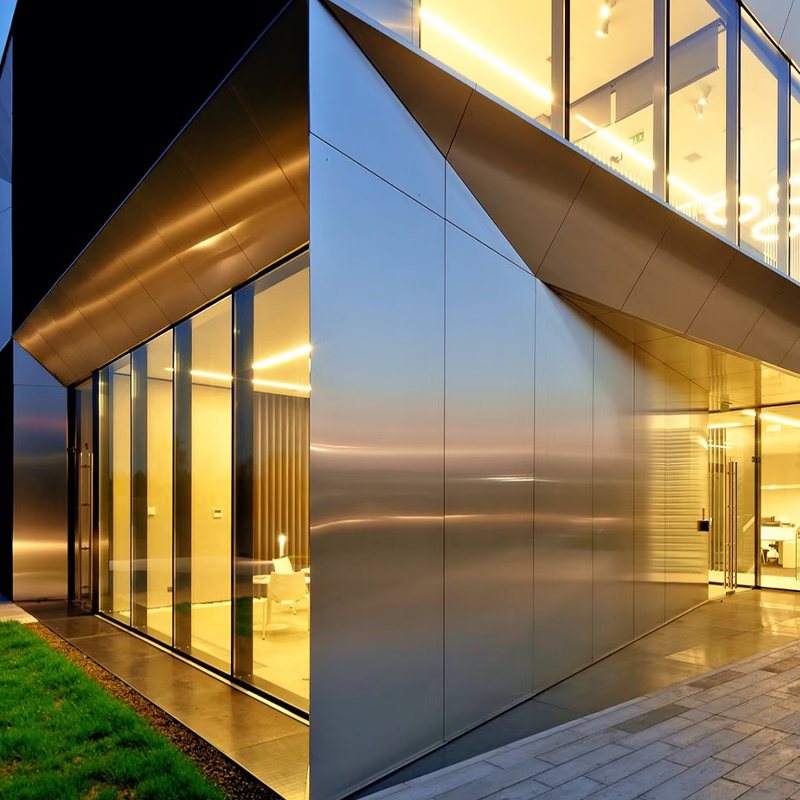
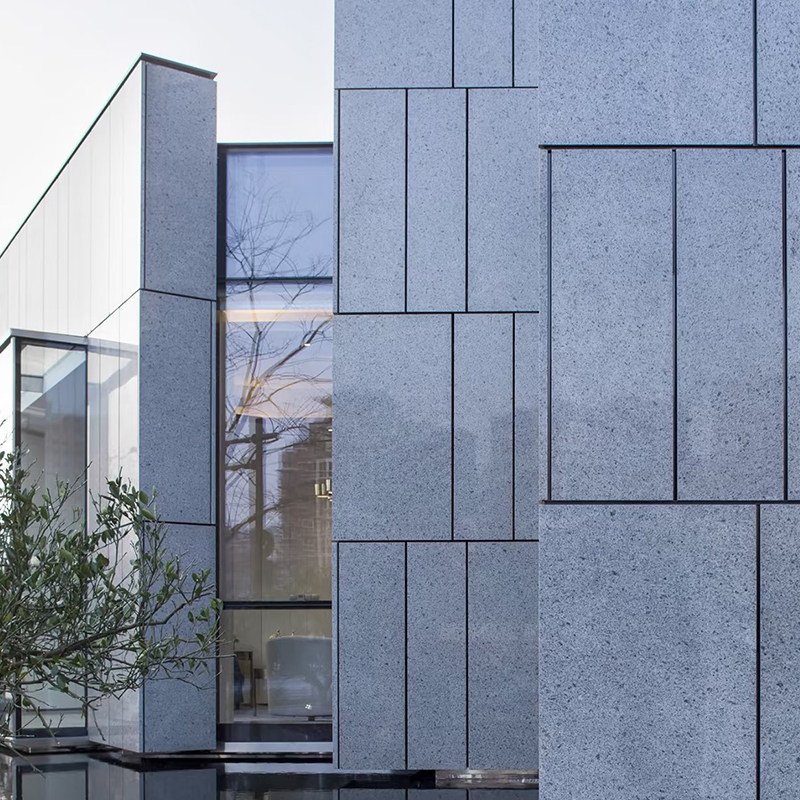
Dongcheng's aluminum curtain wall systems are designed for high-rise and landmark commercial buildings where facade performance, structural integrity, and architectural expression must all meet the highest standards. Primary frames are fabricated from high-performance aluminum alloy profiles — lightweight yet rigid enough to carry large-format cladding panels — and are available in both unitized and stick-built assembly methods to suit project scheduling and installation logistics.
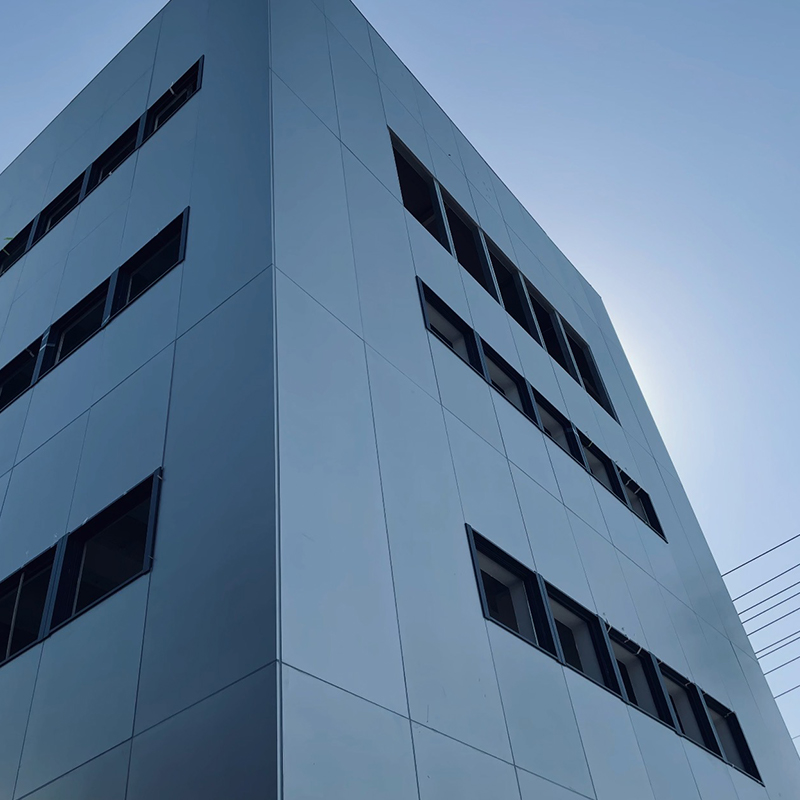
Cladding options include tempered glass, aluminum composite panels, natural stone, and aluminum single panels, enabling the full range of contemporary facade aesthetics from floor-to-ceiling transparency to opaque, textured surfaces. The thermal break and multi-layer sealing engineering delivers superior wind resistance, seismic performance, acoustic attenuation, and thermal insulation, significantly reducing the building's energy load.
Each curtain wall system is custom-engineered to the building's structural and environmental parameters, with Dongcheng providing complete technical design, fabrication, and on-site installation management to ensure facade performance targets are met from the ground up.
About Dongcheng
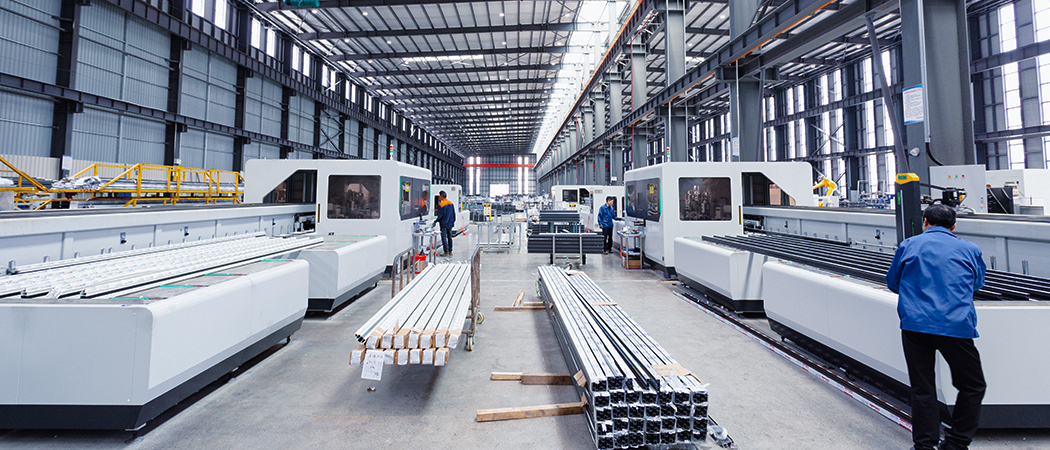
Located in the High-tech Industrial Park of Wuxing District, Huzhou, Zhejiang, China, Zhejiang Dongcheng Energy Saving Technology Co., Ltd. is a professional manufacturer specializing in aluminum energy-efficient doors and windows, fire-rated doors and windows, curtain wall systems, railings, shading systems, and skylights. Aluminum curtain wall Manufacturers and Aluminum curtain wall Factory in China. Integrating R&D, design, production, installation, and after-sales service, we provide complete solutions for a wide range of building applications.
With advanced production equipment, a well-established management system, and an experienced professional team, we are committed to delivering reliable products and consistent quality. Operating in accordance with the ISO9000 quality management system, we implement standardized control throughout the production process to ensure that our products meet relevant standards and project requirements. Custom Aluminum curtain wall
Driven by technology and innovation, we continuously improve our products and services to better serve the market. We also place great importance on safety management, maintaining strict supervision throughout project execution to ensure safe, stable, and reliable delivery.
Guided by the principles of integrity, quality, and service, we are committed to providing cost-effective products and dependable support, and we look forward to building long-term partnerships with customers worldwide.
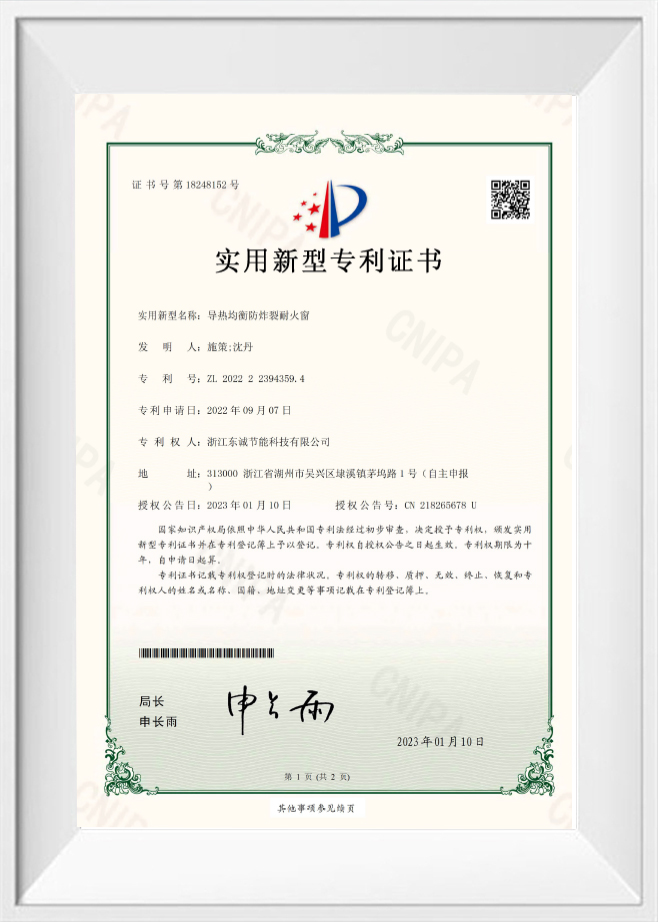
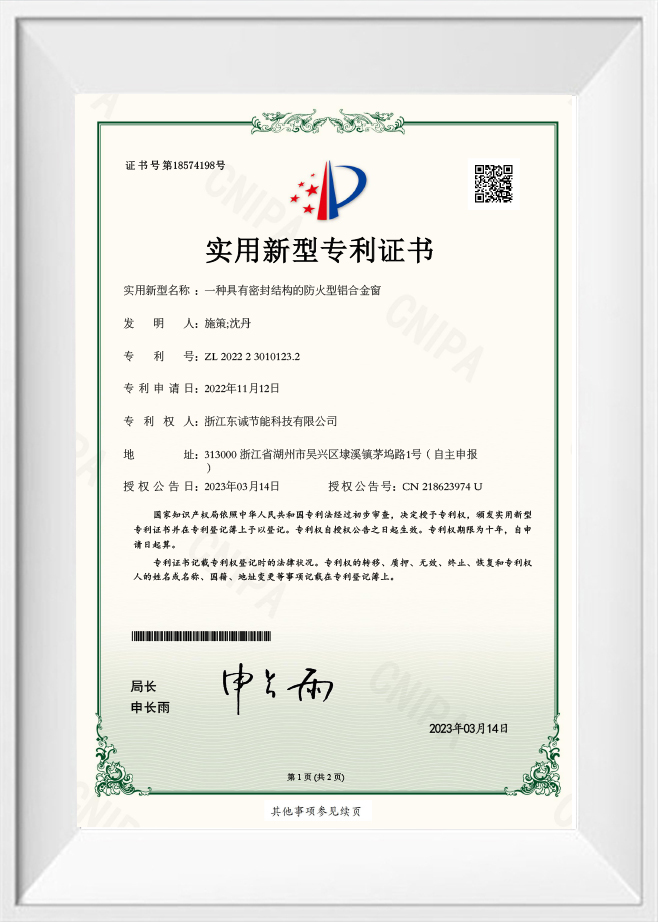
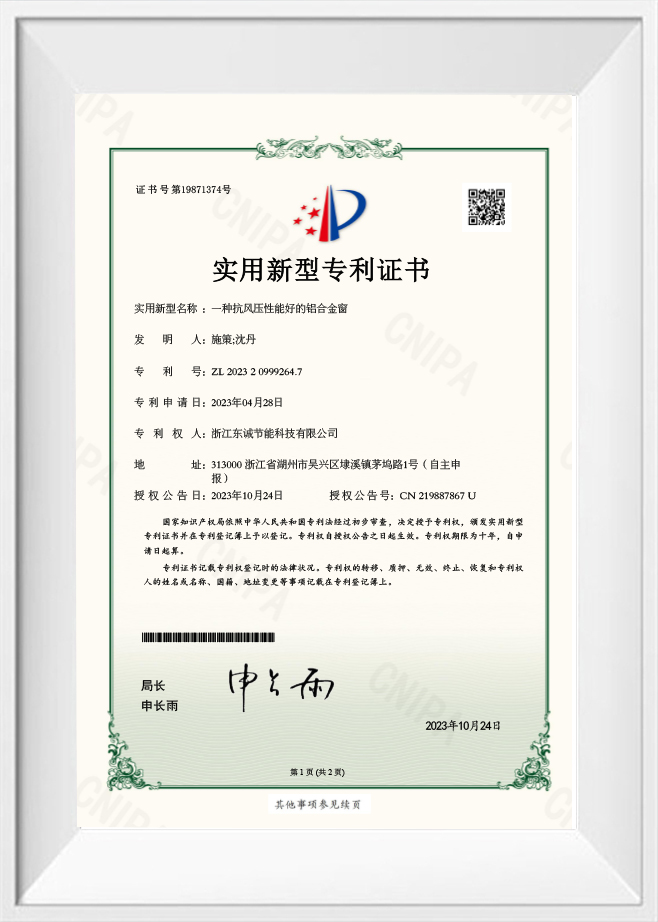
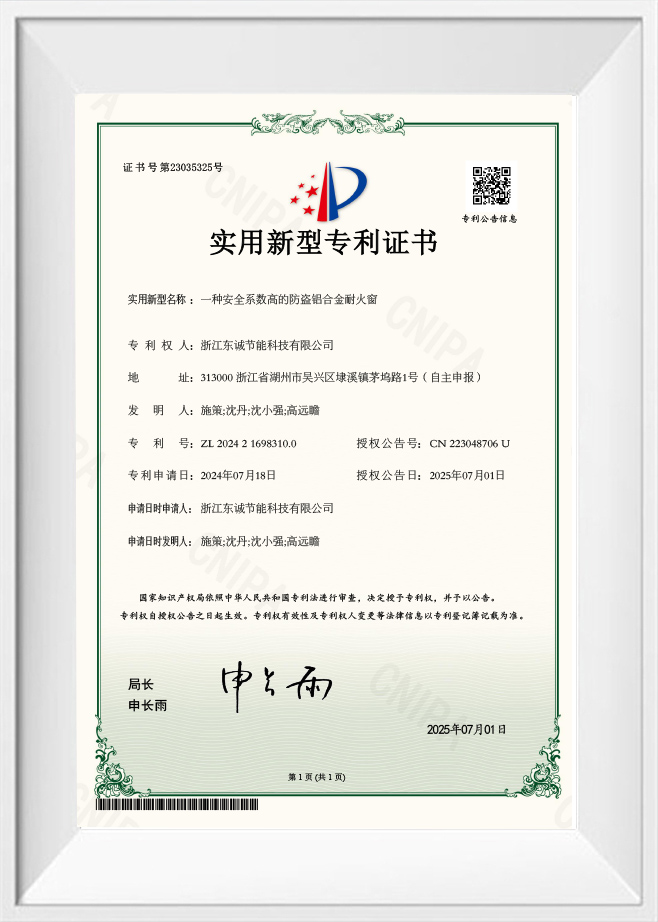
Certificate
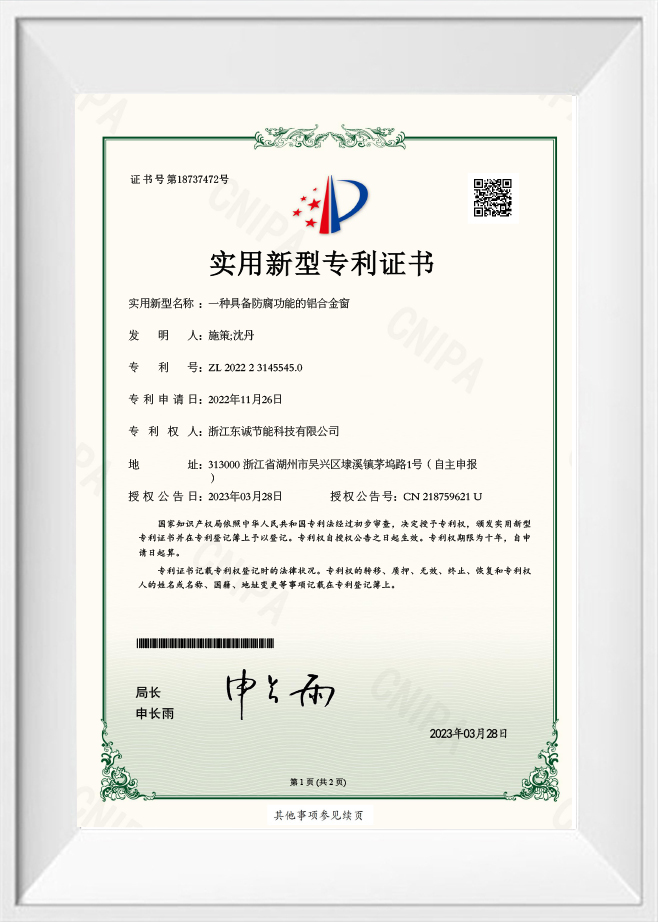
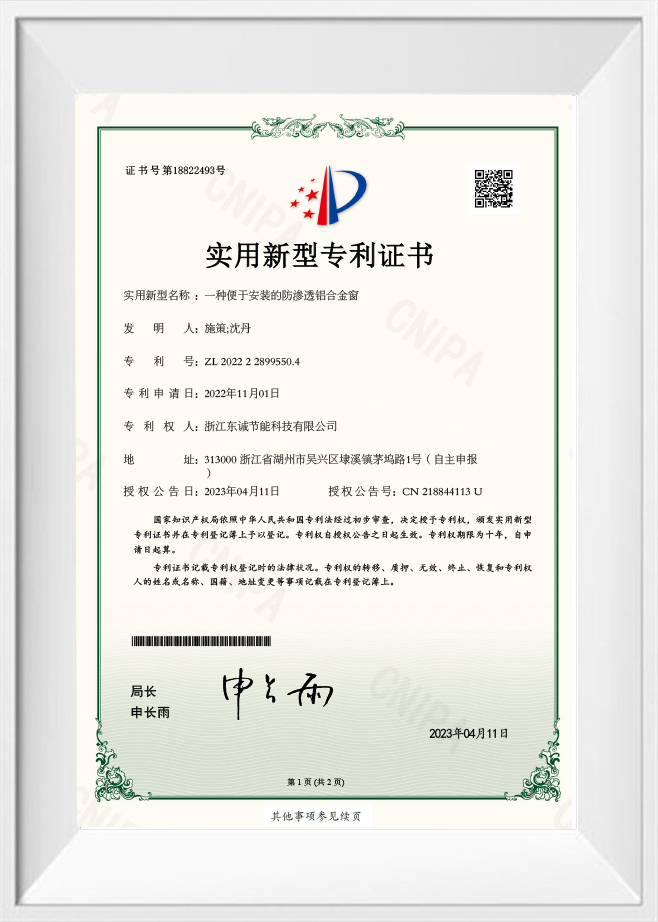
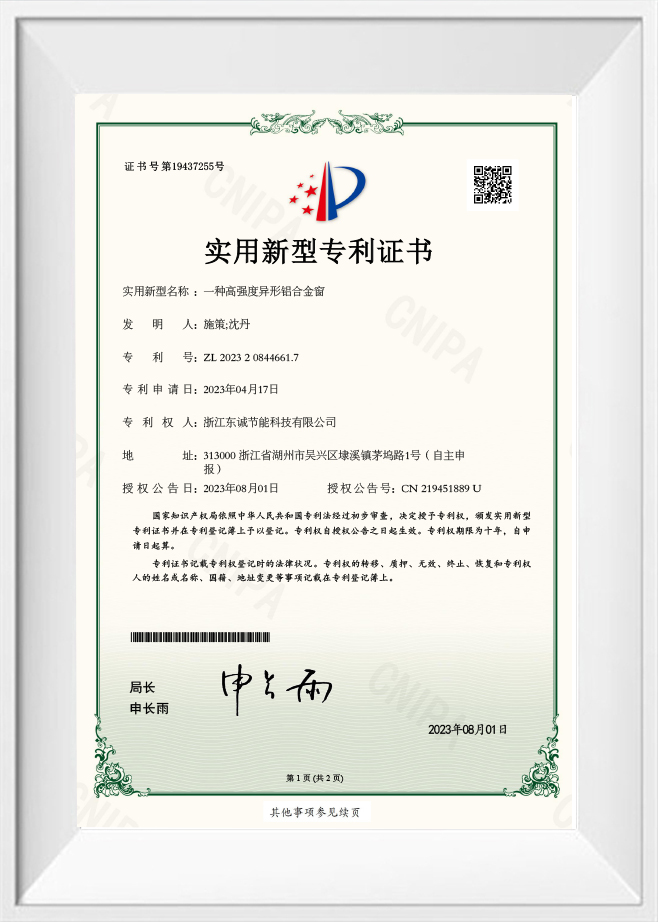
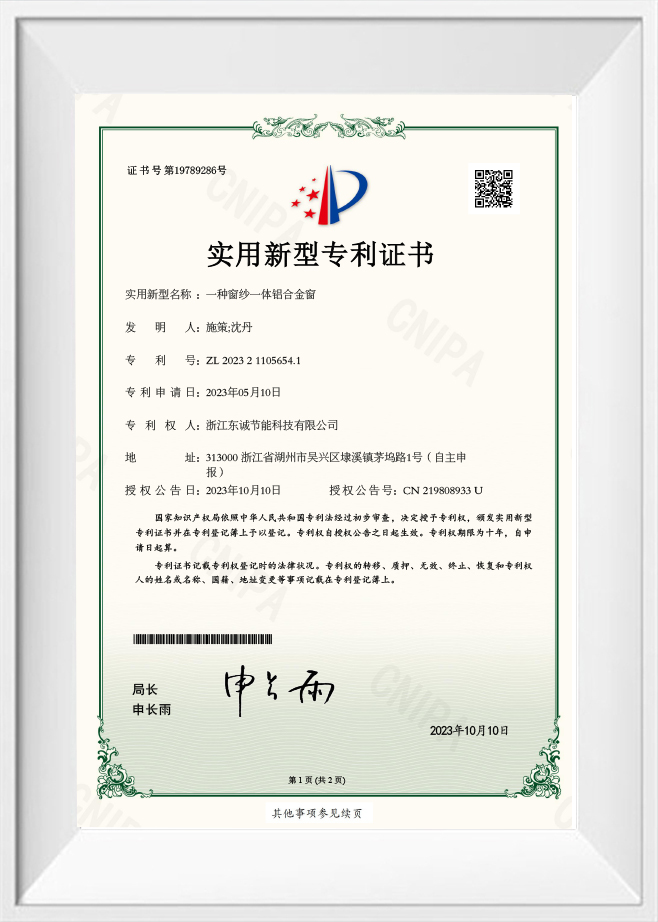
Latest Updates
Industry knowledge
Structural Integrity and Wind Load Resistance in Curtain Walls
Aluminum curtain walls serve as the primary skin of modern high-rise buildings, requiring exceptional structural integrity to withstand wind loads, seismic activity, and thermal expansion. The design of these systems relies heavily on the precise calculation of mullion deflection limits, typically restricted to L/175 or L/200 of the span length to prevent glass breakage and seal failure. Zhejiang Dongcheng Energy Saving Technology Co., Ltd., located in the High-tech Industrial Park of Wuxing District, Huzhou, Zhejiang, China, employs advanced production equipment to manufacture profiles with optimized moment of inertia. As a professional manufacturer integrating R&D, design, production, installation, and after-sales service, the company ensures that each curtain wall system is engineered to meet rigorous international standards for safety and durability.
Key Structural Considerations
- Mullion spacing: Typically ranges from 1.2 to 1.5 meters, balancing aesthetic proportions with structural efficiency and glass weight distribution.
- Anchor points: Must accommodate building movement due to wind sway and thermal expansion, often using slotted holes or flexible connectors.
- Material thickness: Main load-bearing members usually require a minimum wall thickness of 3.0mm to ensure adequate stiffness under high wind pressure.
Thermal Performance and Energy Efficiency Strategies
Energy efficiency in aluminum curtain walls is primarily achieved through the use of thermal break technology and high-performance glazing. Thermal breaks, made from polyamide strips, interrupt the heat flow between the interior and exterior aluminum profiles, significantly reducing the U-value of the frame. Zhejiang Dongcheng Energy Saving Technology Co., Ltd. specializes in aluminum energy-efficient doors and windows and curtain wall systems, incorporating these thermal barriers into their designs to meet strict energy codes. Supported by a well-established management system and an experienced professional team, the company delivers reliable quality and consistent performance, ensuring that buildings maintain comfortable interior temperatures while minimizing HVAC loads.
| Glazing Configuration | U-Value (W/m²K) | Solar Heat Gain Coefficient (SHGC) |
| Double Glazed Clear | 2.8 | 0.76 |
| Double Glazed Low-E | 1.8 | 0.45 |
| Triple Glazed Low-E Argon | 1.1 | 0.38 |
Waterproofing and Air Infiltration Control
Preventing water and air infiltration is critical for the longevity and comfort of buildings with aluminum curtain walls. Modern systems utilize a pressure-equalized rain screen principle, where the outer gasket seals against wind-driven rain, and the inner gasket provides an airtight barrier. Any water that penetrates the outer seal is drained out through weep holes in the mullions. Zhejiang Dongcheng Energy Saving Technology Co., Ltd. offers a wide range of building applications, including fire-rated doors and windows, railings, shading systems, and skylights, all designed with meticulous attention to sealing details. Their commitment to delivering reliable quality ensures that every joint and connection is tested for both water resistance and air tightness, preventing issues such as mold growth and energy loss.
Common Sealing Technologies
- EPDM Gaskets: Ethylene Propylene Diene Monomer rubber is widely used for its excellent weather resistance and elasticity over time.
- Structural Silicone: Provides both bonding and sealing capabilities, often used in structural glazing applications where mechanical clamps are not visible.
- Weatherstripping: Brush or fin seals are employed in operable sections of the curtain wall to maintain air tightness during movement.
In addition to standard sealing methods, the integration of drainage channels within the aluminum profiles ensures that any condensation or minor leaks are effectively managed. Zhejiang Dongcheng Energy Saving Technology Co., Ltd. leverages its expertise in R&D and design to create systems that are not only aesthetically pleasing but also highly functional. By combining advanced production techniques with a deep understanding of building physics, the company provides solutions that enhance the overall performance and sustainability of modern architectural projects.

- Mobile
- Products
- Aluminum Window Series
- Aluminum Door Series
- Aluminum Sunroom Series
- Aluminum Sunroof Series
- Aluminum Louver Series
- Aluminum Railing Series
- Aluminum curtain wall
- Aluminum panel
- Aluminum door, window and curtain wall auxiliary materials
- Contact Us
-
-
+86-137 5720 8001

-
[email protected]

-
Room 102, Building 7, No. 399 Shushan Road, Hudong Street, Wuxing District, Huzhou City, Zhejiang Province, China

-



