

 English
  عربى
عربى 
Aluminum Electric Skylights: Smart Ventilation & Light Solutions
Jun 16, 2026
Content
The Premier Choice for Automated Roof Ventilation
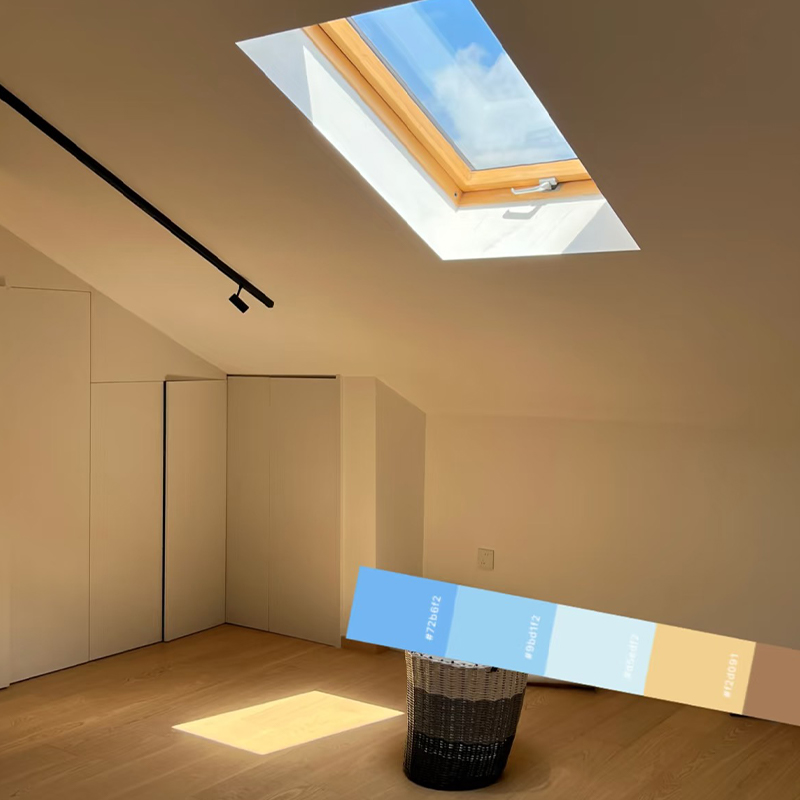
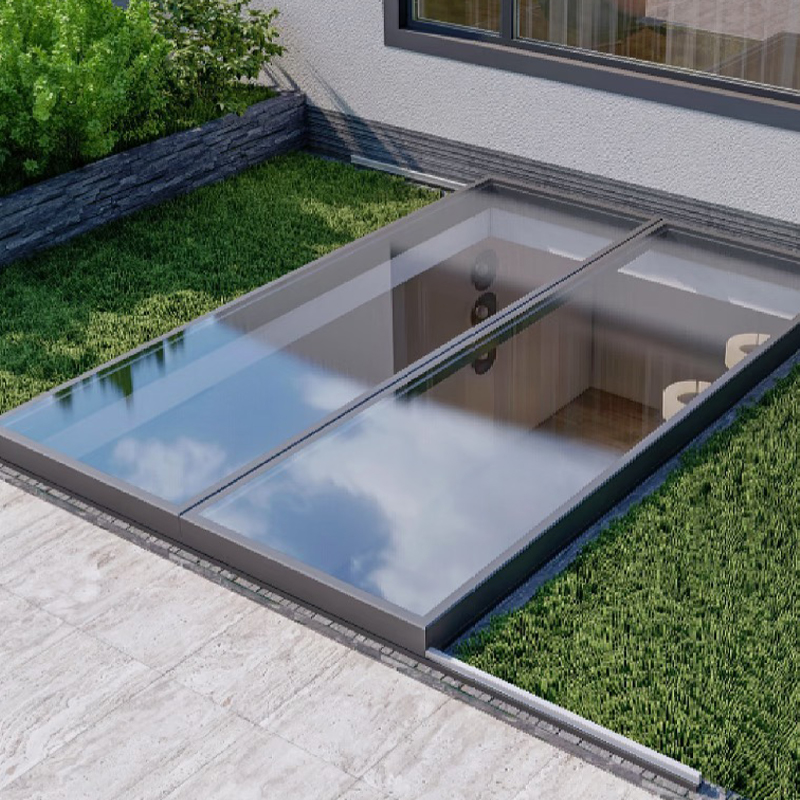
Aluminum electric skylights offer a sophisticated blend of durability, automation, and energy efficiency, making them the ideal solution for modern residential and commercial buildings. By combining corrosion-resistant aluminum frames with quiet motorized mechanisms, these units provide effortless control over natural light and indoor air quality, even in high or hard-to-reach roof positions.
Unlike traditional manual skylights, electric models integrate with smart home systems and weather sensors, automatically adjusting to optimize comfort while preventing water intrusion during sudden storms. Their sleek profile and robust construction ensure a lifespan of 20-30 years with minimal maintenance.
Core Advantages of Motorized Aluminum Skylights
Choosing an electric aluminum skylight goes beyond mere convenience; it enhances the functionality and value of your property through several key benefits.
Superior Durability and Weather Resistance
Aluminum is inherently resistant to rust, warping, and UV degradation. When powder-coated, these frames withstand extreme temperature fluctuations from -30°F to 150°F without compromising structural integrity. This makes them particularly suitable for coastal areas where salt air corrodes steel or wood alternatives.
- Maintains shape and seal integrity over decades
- Resists fading and chipping with high-quality finishes
- Supports larger glass panes due to high strength-to-weight ratio
Enhanced Indoor Air Quality and Comfort
Electric skylights facilitate the "stack effect," where hot air rises and escapes through the roof, drawing cooler air in from lower windows. This natural ventilation can reduce indoor temperatures by 5-10°F in summer, lowering reliance on air conditioning. Automated operation ensures consistent air exchange, reducing humidity, mold risk, and stale air accumulation.
Smart Home Integration and Automation
Modern electric skylights connect seamlessly to platforms like Apple HomeKit, Amazon Alexa, and Google Assistant. Users can schedule opening times, link operations to sunrise/sunset, or control multiple units simultaneously via smartphone apps. Advanced models include rain and wind sensors that automatically close the skylight within 3-5 seconds of detecting precipitation, protecting interiors from unexpected weather changes.
Technical Specifications and Performance Metrics
Understanding the technical aspects helps in selecting the right unit for specific architectural needs and climate conditions.
| Feature | Standard Model | Premium Model | Impact on User |
|---|---|---|---|
| Motor Noise Level | 45-50 dB | 30-35 dB | Quiet operation for bedrooms/libraries |
| U-Factor (Insulation) | 0.35 - 0.45 | 0.20 - 0.30 | Better heat retention in winter |
| Solar Heat Gain Coeff. | 0.40 - 0.50 | 0.25 - 0.35 | Reduced cooling load in summer |
| Power Source | Hardwired 120V | Solar/Battery Hybrid | Easier installation vs. unlimited power |
| Safety Sensors | Basic Obstruction | Rain/Wind/Smoke | Automated protection from elements |
Glazing Options for Energy Efficiency
The glass component plays a critical role in thermal performance. Most premium aluminum electric skylights feature double-pane insulated glass units (IGUs) with argon gas fill and Low-E coatings. These configurations block up to 90% of UV rays, protecting furniture and flooring from fading while maintaining bright, natural illumination.
Installation Considerations and Costs
Proper installation is crucial for preventing leaks and ensuring smooth mechanical operation. While DIY is possible for simple replacements, new installations typically require professional expertise.
Cost Breakdown
The total cost of an aluminum electric skylight includes the unit, motor, controls, and labor. Prices vary based on size, glazing type, and smart features.
- Unit Cost: $800 - $2,500 per skylight depending on size (2x2 ft to 4x4 ft) and features
- Motor and Controls: $150 - $400 for hardwired motors; $200 - $600 for solar-powered smart kits
- Installation Labor: $500 - $1,200 per unit, including framing, flashing, and electrical wiring
- Total Project Range: $1,500 - $4,000 per installed skylight
Key Installation Steps
- Structural Assessment: Verify roof rafters can support the unit and determine if framing modifications are needed
- Rough Opening Preparation: Cut precise opening and install header/support beams if required
- Flashing and Waterproofing: Apply step flashing and ice/water shield to prevent leaks around the curb
- Electrical Wiring: Run 120V power line to location for hardwired models, or mount solar panel for battery units
- Unit Placement and Sealing: Set skylight into opening, secure with screws, and apply high-grade silicone sealant
- System Testing: Calibrate open/close limits and test rain sensors and remote controls
Maintenance and Long-Term Care
Aluminum electric skylights are designed for low maintenance, but regular care ensures optimal performance and longevity.
Routine Cleaning and Inspection
Clean the glass and frame twice a year using mild soap and water. Avoid abrasive cleaners that can damage the powder-coated finish or seals. Inspect the rubber gaskets and weatherstripping annually for cracks or brittleness, replacing them every 5-7 years to maintain watertight integrity.
Mechanical Maintenance
- Lubrication: Apply silicone-based lubricant to moving hinges and chain drives every 6 months to ensure quiet operation
- Battery Check: For solar/battery models, test backup power annually and replace batteries every 3-5 years
- Sensor Testing: Regularly test rain and obstruction sensors by simulating conditions to ensure automatic reversal works
- Track Cleaning: Keep drainage channels clear of leaves and debris to prevent water overflow into the interior
Troubleshooting Common Issues
Skylight won't open/close: Check power supply and circuit breaker. For battery units, ensure solar panel is clean and charged. Reset the motor limits if the unit has lost its position memory.
Leaking around frame: Inspect exterior flashing and sealant. Reapply roofing cement or replace damaged flashing sections. Ensure the curb is level and properly integrated with roof shingles.
Noisy operation: Usually indicates lack of lubrication or loose hardware. Tighten mounting screws and apply fresh silicone lubricant to moving parts.
Making the Right Choice for Your Home
Selecting the best aluminum electric skylight involves balancing budget, aesthetic preferences, and functional needs.
Ideal Applications
- Kitchens and Bathrooms: Excellent for venting heat, steam, and odors where wall windows are insufficient
- Living Rooms and Atriums: Provides dramatic natural light and architectural interest
- High Ceilings and Vaulted Spaces: Motorized operation eliminates the need for poles or ladders
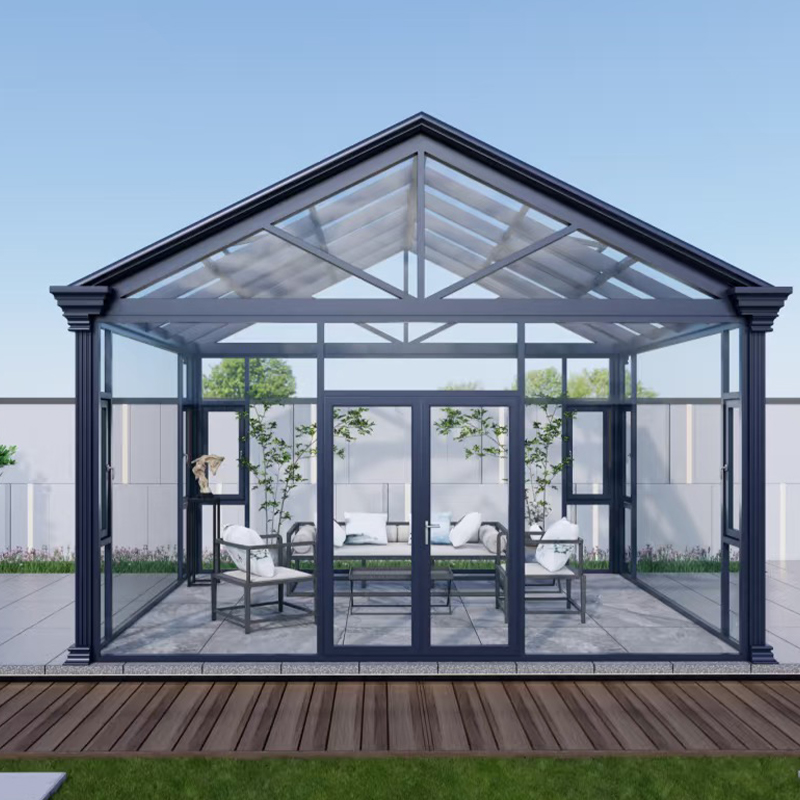
- Greenhouses and Sunrooms: Automates temperature regulation to protect plants and enhance comfort
Questions to Ask Suppliers
- What is the warranty coverage for the motor, glass, and frame?
- Is the system compatible with my existing smart home hub?
- Does the unit meet local building codes for energy efficiency and safety?
- What is the expected lifespan of the battery in solar models?
- Are replacement parts readily available for future repairs?
Investing in aluminum electric skylights enhances both the livability and value of your home. By providing automated control over light and ventilation, these systems create healthier, more comfortable indoor environments while adding a touch of modern elegance to your architectural design.

- Mobile
- Products
- Aluminum Window Series
- Aluminum Door Series
- Aluminum Sunroom Series
- Aluminum Sunroof Series
- Aluminum Louver Series
- Aluminum Railing Series
- Aluminum curtain wall
- Aluminum panel
- Aluminum door, window and curtain wall auxiliary materials
- Contact Us
-
-
+86-137 5720 8001

-
[email protected]

-
Room 102, Building 7, No. 399 Shushan Road, Hudong Street, Wuxing District, Huzhou City, Zhejiang Province, China

-



