

 English
  عربى
عربى 
How Do Aluminum Louvers Improve Energy Efficiency and Reduce Environmental Impact in Buildings?
Jun 24, 2026
Content
- 1 Understanding Aluminum Louvers in Modern Architecture
- 2 How Aluminum Louvers Improve Energy Efficiency
- 3 Environmental Benefits of Aluminum Louvers
- 4 Design Flexibility and Performance Optimization
- 5 Comparison of Aluminum Louvers with Other Shading Systems
- 6 Installation and Building Integration
- 7 Maintenance and Lifecycle Performance
- 8 Conclusion: A Sustainable Choice for Modern Buildings
Understanding Aluminum Louvers in Modern Architecture
Aluminum louvers are architectural elements designed to control sunlight, airflow, and heat gain in buildings. They are typically installed on façades, windows, or ventilation openings to regulate environmental conditions inside a structure. As sustainability becomes a core focus in construction, aluminum louvers have gained popularity due to their durability, recyclability, and strong contribution to energy-efficient building design.
Unlike conventional shading systems, aluminum louvers can be precisely engineered to optimize daylight while minimizing unwanted solar heat. This balance helps reduce reliance on artificial lighting and air conditioning systems, directly lowering energy consumption.
How Aluminum Louvers Improve Energy Efficiency
Energy efficiency in buildings is largely influenced by heat gain, ventilation, and lighting demand. Aluminum louvers address all three aspects through passive design strategies that reduce mechanical energy usage.
Solar Heat Gain Reduction
Aluminum louvers block direct sunlight from entering interior spaces, significantly reducing solar heat gain. This helps maintain a more stable indoor temperature, especially in hot climates, and reduces the workload on HVAC systems.
- Minimizes overheating during peak sunlight hours
- Reduces air conditioning demand
- Improves occupant thermal comfort
Optimized Daylighting
By controlling the angle and spacing of slats, aluminum louvers allow natural light to enter while preventing glare. This reduces dependency on artificial lighting during daytime hours.
- Enhances visual comfort in workspaces
- Reduces electricity consumption for lighting
- Supports circadian rhythm-friendly environments
Natural Ventilation Support
Some aluminum louver systems are designed to enhance airflow through façades and ventilation openings. This improves natural ventilation and reduces reliance on mechanical systems.
- Promotes passive cooling strategies
- Improves indoor air quality
- Reduces HVAC operating hours
Environmental Benefits of Aluminum Louvers
Beyond energy efficiency, aluminum louvers contribute significantly to environmental sustainability. Their material properties and long service life reduce the overall environmental footprint of buildings.
Recyclability and Material Sustainability
Aluminum is highly recyclable without losing its structural integrity. This makes louvers an environmentally responsible choice compared to many composite materials.
- Reduces demand for raw material extraction
- Supports circular economy principles
- Lowers construction waste at end-of-life
Reduction in Carbon Emissions
By lowering energy consumption for cooling and lighting, aluminum louvers indirectly reduce greenhouse gas emissions from power generation.
- Decreases building carbon footprint
- Supports green building certifications
- Improves sustainability ratings (LEED, BREEAM)
Design Flexibility and Performance Optimization
Aluminum louvers can be customized in terms of size, shape, angle, and spacing. This flexibility allows architects to tailor performance based on climate conditions, building orientation, and functional needs.
Fixed vs Adjustable Systems
Fixed louvers provide consistent shading, while adjustable systems allow dynamic control based on sunlight conditions.
- Fixed systems: low maintenance and cost-effective
- Adjustable systems: higher performance and adaptability
Orientation-Based Design
The effectiveness of aluminum louvers depends heavily on building orientation. South-facing façades require different configurations than east or west-facing ones to maximize efficiency.
Comparison of Aluminum Louvers with Other Shading Systems
Different shading systems offer varying levels of performance. Aluminum louvers stand out due to their durability, low maintenance, and environmental advantages.
| Feature | Aluminum Louvers | Fabric Shades | Concrete Brise Soleil |
| Durability | High | Low | Very High |
| Weight | Light | Very Light | Heavy |
| Maintenance | Low | High | Low |
| Recyclability | Excellent | Low | Moderate |
Installation and Building Integration
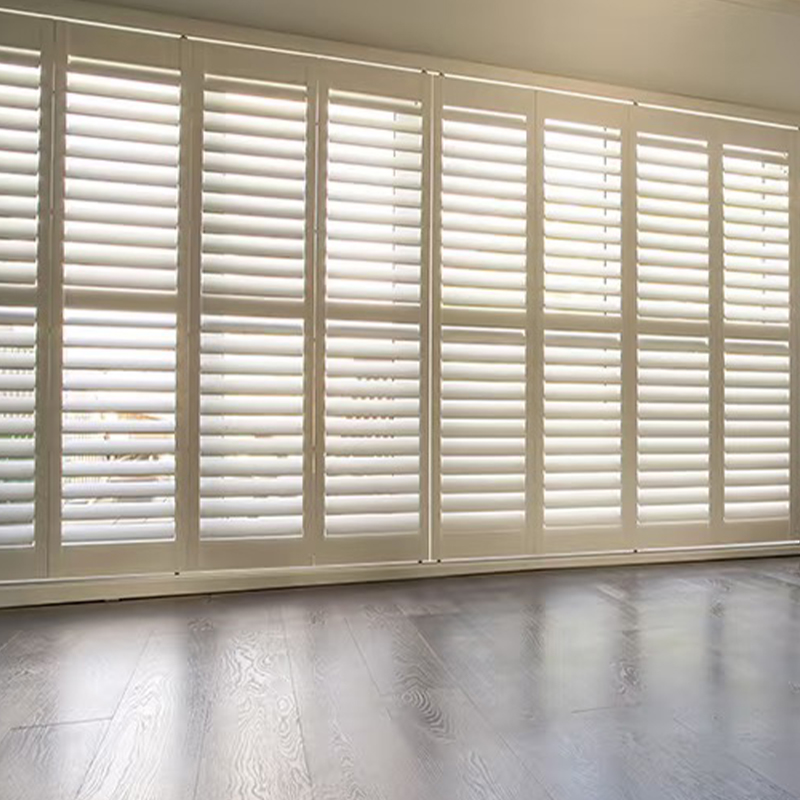
Proper installation is essential for maximizing the performance of aluminum louvers. Integration with building façades should consider structural support, weather resistance, and aesthetic harmony.
Facade Integration Strategies
Louvers can be integrated as part of curtain wall systems or mounted externally as secondary shading structures.
- Direct façade mounting for compact design
- Standalone frames for flexible retrofitting
Maintenance and Lifecycle Performance
Aluminum louvers require minimal maintenance due to corrosion resistance and structural stability. Regular cleaning and occasional inspection ensure long-term performance.
Long-Term Durability
Aluminum resists rust and weathering, making it suitable for harsh environmental conditions, including coastal and industrial areas.
Lifecycle Cost Benefits
Although initial installation costs may be moderate, long-term savings in energy and maintenance make aluminum louvers cost-effective over their lifecycle.
Conclusion: A Sustainable Choice for Modern Buildings
Aluminum louvers play a crucial role in improving building energy efficiency and reducing environmental impact. Through solar control, daylight optimization, and ventilation enhancement, they significantly lower energy consumption. Combined with their recyclability and durability, they represent a sustainable architectural solution aligned with modern green building standards.

- Mobile
- Products
- Aluminum Window Series
- Aluminum Door Series
- Aluminum Sunroom Series
- Aluminum Sunroof Series
- Aluminum Louver Series
- Aluminum Railing Series
- Aluminum curtain wall
- Aluminum panel
- Aluminum door, window and curtain wall auxiliary materials
- Contact Us
-
-
+86-137 5720 8001

-
[email protected]

-
Room 102, Building 7, No. 399 Shushan Road, Hudong Street, Wuxing District, Huzhou City, Zhejiang Province, China

-



