

 English
 عربى

aluminum in construction: Applications, Selection Criteria, and Practical Guidance
Sep 14, 2026
Content
Aluminum has become one of the most dependable materials in modern construction. Walk past any commercial high-rise, residential tower, or family home, and you are likely to see aluminum at work: in windows, curtain walls, sunrooms, railings, and dozens of other applications. Its rise is no coincidence. Aluminum delivers a balance of strength, light weight, durability, and sustainability that few other building materials can match.
In this guide, we explore why aluminum is used so widely in construction, examine its key properties, and highlight the applications where it performs best.
Why Aluminum Is a Preferred Material in Construction
Aluminum is the most abundant metallic element in the Earth's crust, but its popularity in construction is driven by more than availability. Several physical and mechanical properties make it exceptionally well suited to building applications.
Strength-to-Weight Ratio
Aluminum weighs only about one-third as much as steel, yet it provides impressive structural strength. This translates into lighter components that are easier to transport and install, reduced dead loads on building frames, and more flexibility in structural design. For projects where every kilogram counts, aluminum is often the obvious choice.
Corrosion Resistance
When aluminum is exposed to air, a thin oxide layer forms naturally on its surface. This layer protects the metal underneath from rust and corrosion. Unlike steel, aluminum does not require continuous coating or galvanizing to survive outdoor exposure. That makes it ideal for windows, facades, and roof structures that must withstand decades of weather.
Design Flexibility
Aluminum is highly ductile and can be extruded into precise, complex profiles. Architects can specify slim sightlines for a sleek appearance or deep, multi-chambered frames for better insulation. The ability to create custom shapes and sizes opens the door to designs that would be difficult or impossible with wood, steel, or PVC.
Thermal Performance and Energy Efficiency
Modern aluminum window and curtain wall systems often incorporate thermal break technology. A thermal break is an insulating polymer barrier placed between the interior and exterior parts of the frame. This design significantly reduces heat transfer, improves indoor comfort, and helps buildings meet increasingly strict energy codes.
Fire Resistance
Aluminum is non-combustible and does not contribute to the spread of flames. It also produces no toxic smoke when exposed to heat, which makes it a safe component in building envelopes and escape routes.
Recyclability and Sustainability
Sustainability is a growing priority across the construction industry, and aluminum is one of the most recyclable materials available. It is estimated that around 90 percent of the aluminum used in construction is recycled at the end of its service life. Recycling aluminum also requires roughly 95 percent less energy than producing primary aluminum. This circularity gives aluminum a significant environmental advantage over many alternatives.
Key Applications of Aluminum in Construction
Aluminum's combination of properties makes it suitable for a broad range of building components. Here are the most common and impactful applications.
Windows and Doors
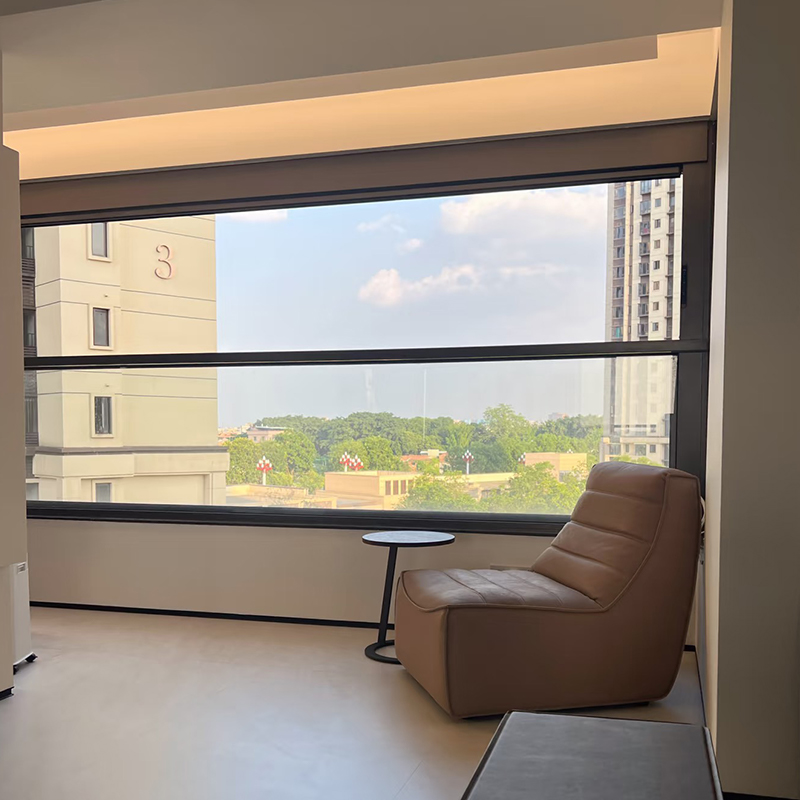
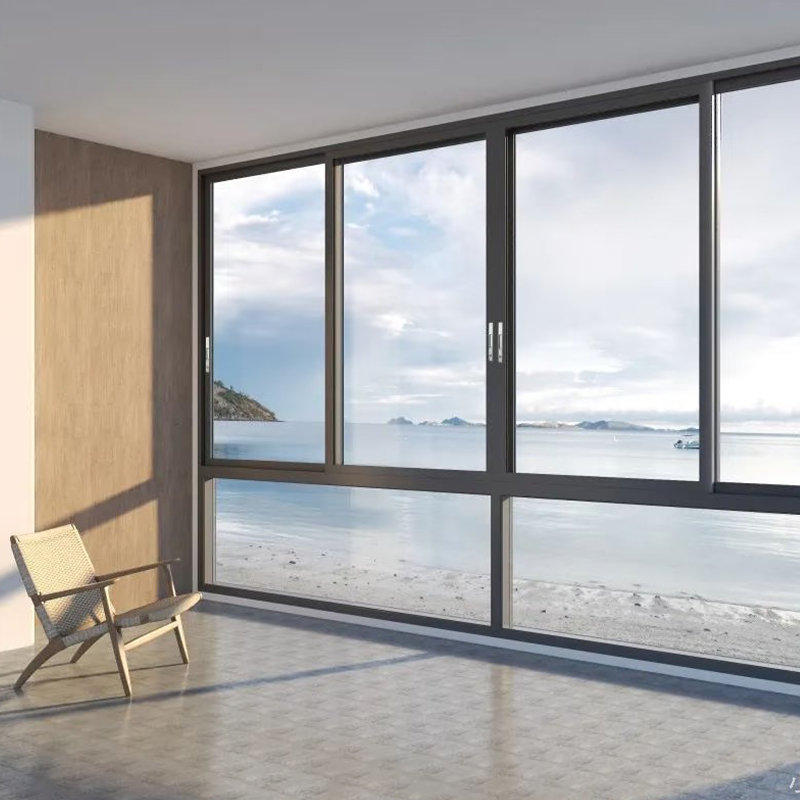
Windows and doors are among the most visible uses of aluminum in construction. Aluminum frames are slim, strong, and long-lasting, and they can support large panes of glass without sagging or warping. From sliding windows and casement windows to folding doors and entrance doors, aluminum systems deliver smooth operation, airtightness, and a clean modern look. If you are planning a window replacement, this guide to aluminum sliding windows covers the cost considerations and installation process in detail.
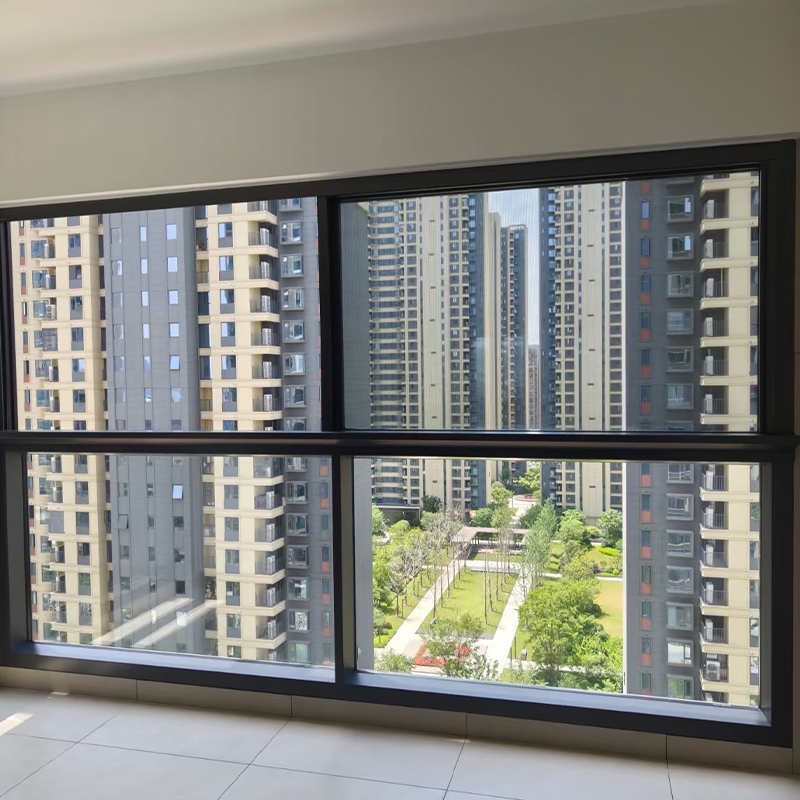 Left-Right Sliding Aluminum Window with Dual-Track RollersThis horizontally sliding window uses extruded aluminum profiles with anodized and electrostatic coatings, plus a dual-track stainless steel roller system. Its unobtrusive operation suits compact rooms and high-traffic areas, and it appears amid guidance on aluminum window replacement.View Product →
Curtain Walls and Facades
Curtain wall systems are the glass facades that define many modern commercial buildings. Aluminum curtain walls provide the structural frame that holds glass panels in place while transferring wind loads to the building structure. They can be engineered to accommodate a range of performance requirements, including thermal insulation, acoustic isolation, and seismic movement. Unitized curtain walls, where large frame-and-glass panels are assembled in a factory and then lifted into place, are increasingly popular for their speed and quality control.
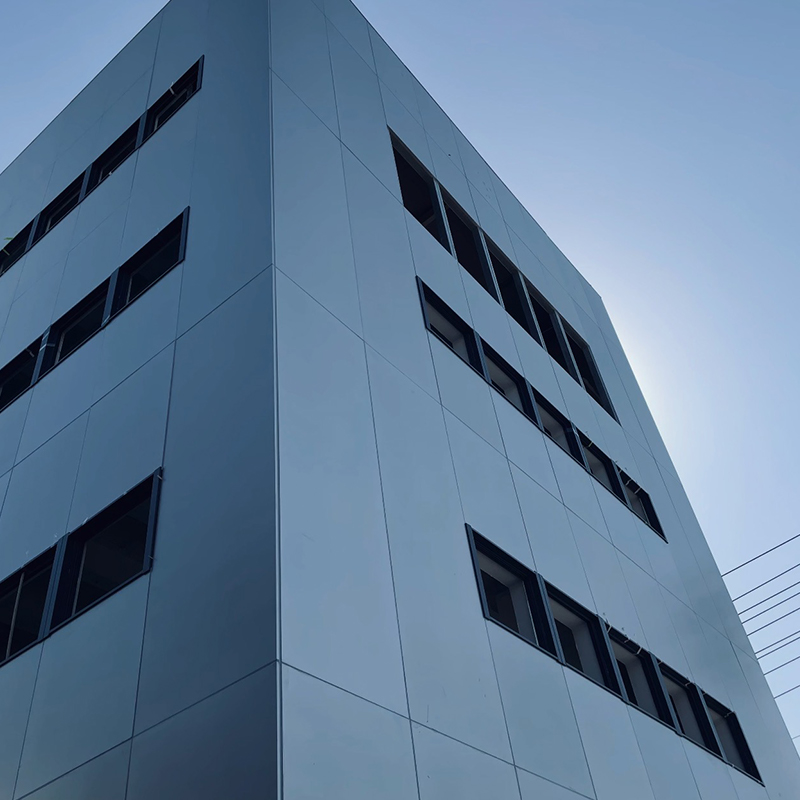 Unitized Aluminum Curtain Wall for High-Rise FacadesA factory-assembled curtain wall system with interlocking panels, continuous drainage, and pressure equalization. It is presented in the context of modern glass facades and offers faster on-site installation, making it relevant for high-rise and large commercial projects.View Product →
Sunrooms, Skylights, and Light-Filled Spaces
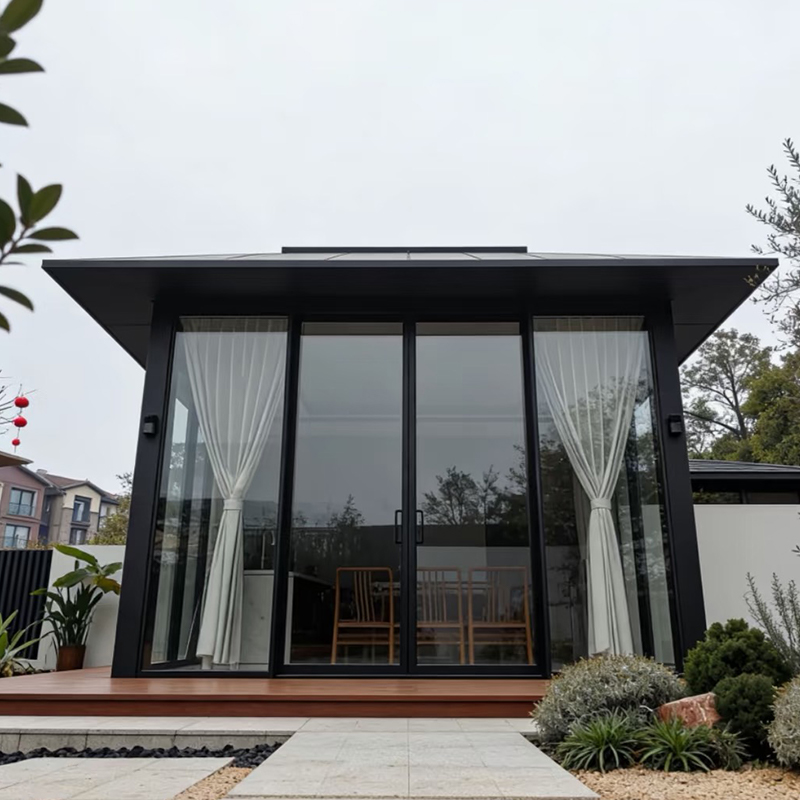
Aluminum also makes it possible to bring natural light deep into a building. Sunrooms and conservatory structures rely on aluminum frames to support large expanses of glass while remaining structurally sound through wind, rain, and snow. Skylights and roof windows use aluminum for the same reason: it is light enough to be installed overhead, strong enough to hold glazing securely, and durable enough to remain watertight for decades. Aluminum A-frame sunrooms offer fast drainage and excellent resistance to weather, making them a popular choice for homeowners and architects alike.
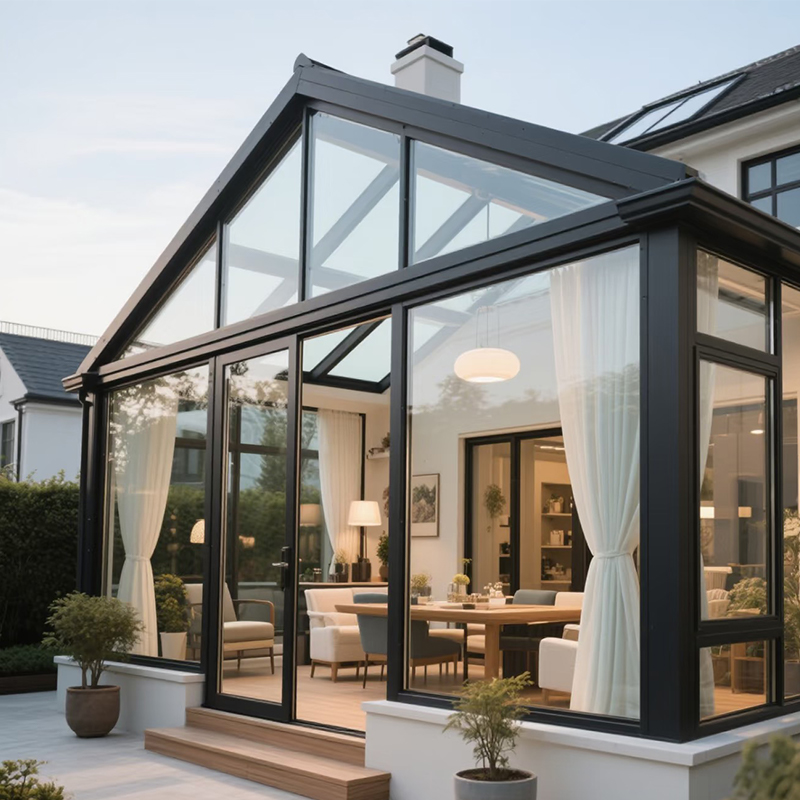 A-Frame Sunroom with Fast Drainage RoofThis sunroom features a dual-pitch aluminum frame and tempered glass, designed to shed rainwater quickly and reduce ponding. It is positioned after a discussion of skylights and sunrooms, making it a practical option for wet or mixed climates.View Product →
Other Building Components
Beyond fenestration, aluminum is widely used for railings, balconies, louvers, and canopies. These components benefit from the same qualities: light weight, corrosion resistance, low maintenance, and a wide range of finishes. Aluminum railings provide safety without obstructing views, while aluminum louvers control sunlight, privacy, and ventilation on building exteriors.
Aluminum vs. Other Construction Materials
To understand aluminum's role in construction, it helps to compare it with the materials it commonly replaces: steel, PVC, and in some cases, wood. Each material has strengths, and the right choice depends on the application.
| Property | Aluminum | Steel | PVC |
|---|---|---|---|
| Weight | Light | Heavy | Light |
| Corrosion resistance | Excellent | Moderate | Excellent |
| Structural strength | High | Very high | Moderate |
| Design flexibility | Excellent | Good | Limited |
| Thermal break option | Yes | Yes | No |
| Recyclability | Excellent | Good | Limited |
| Maintenance | Low | Moderate | Low |
Aluminum tends to be the preferred framing material where slim profiles, low maintenance, and design freedom matter most. Steel remains dominant in heavy structural applications where ultimate strength is required. PVC is a budget-friendly option for windows, but it generally cannot match aluminum's strength, lifecycle durability, or recyclability.
Design and Sustainability Considerations
Aluminum's environmental benefits go beyond its high recyclability rate. Because aluminum components are lightweight, they require less energy to transport and handle during installation. Thermal break aluminum systems reduce the amount of energy needed to heat and cool a building, which is often the biggest source of a building's carbon footprint over its lifetime.
Aluminum can also be finished in a wide range of options, including anodizing, powder coating, and PVDF paints, allowing it to match nearly any architectural aesthetic while adding a durable protective layer. Combined with its long service life, aluminum systems can deliver excellent lifecycle value for both building owners and the environment.
Working with an Experienced Aluminum Systems Manufacturer
Choosing the right material is only part of the equation. The performance of aluminum windows, doors, and curtain walls depends heavily on design, fabrication quality, and installation. This is where an experienced manufacturer makes a measurable difference.
An experienced partner supports the project from start to finish:
- System selection based on project type and local climate
- Custom profiles and finishes that match the design intent
- Quality control backed by standardized production processes
- Installation guidance and responsive after-sales support
At Dongcheng Energy-Saving Technology, we design and produce a comprehensive range of aluminum building systems, including energy-saving windows, fire-resistant doors, curtain walls, sunrooms, skylights, and aluminum railings. Our factory is located in the Huzhou High-Tech Industrial Park in Zhejiang Province, and we operate under an ISO9000-certified quality management system. From the initial design phase to fabrication, installation, and after-sales support, our engineering team maintains consistent quality control so every project performs as specified.
We have also gained practical international experience, including project site work in regions with demanding environmental conditions. That experience allows us to recommend the right system for each building type, climate, and performance target.
Aluminum is more than a trendy building material; it is a proven, versatile, and sustainable solution for modern construction. Its light weight, strength, corrosion resistance, thermal performance, and recyclability make it the material of choice for windows, doors, curtain walls, sunrooms, and countless other applications.
Whether you are an architect designing a new landmark, a developer looking for reliable facade systems, or a homeowner adding a sunroom, aluminum offers the performance and longevity you need. And with the right partner, you can turn its strengths into a building that looks great, performs well, and stands the test of time.

- Mobile
- Products
- Aluminum Window Series
- Aluminum Door Series
- Aluminum Sunroom Series
- Aluminum Sunroof Series
- Aluminum Louver Series
- Aluminum Railing Series
- Aluminum curtain wall
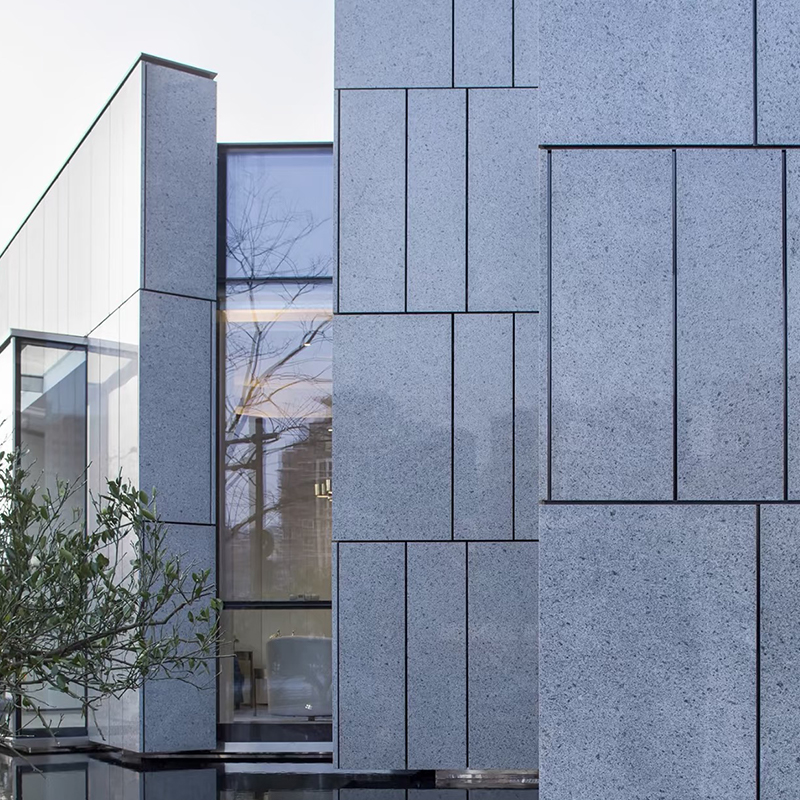
- Aluminum panel
- Aluminum door, window and curtain wall auxiliary materials
- Contact Us
-
-
+86-137 5720 8001

-
[email protected]

-
Room 102, Building 7, No. 399 Shushan Road, Hudong Street, Wuxing District, Huzhou City, Zhejiang Province, China

-


