

 English
 عربى

What Are the Characteristics of Aluminum? Key Properties and Uses Explained
Sep 22, 2026
Content
Walk onto any active construction site and you will see aluminum doing quiet but essential work. Window frames catch the morning light, curtain wall mullions rise across a facade, and a sunroom extends a living space into the garden. After years of designing and manufacturing aluminum systems, we have learned to see this metal not as a generic commodity, but as a material with a distinct and predictable set of characteristics. Understanding the characteristics of aluminum is the first step toward choosing the right product for the right application — and toward building better, longer-lasting buildings. This guide walks through those characteristics in plain language, with the practical concerns of builders and designers in mind.
What Is Aluminum?
Aluminum is a silvery-white metallic element with the chemical symbol Al and atomic number 13. It is the most abundant metal in the Earth's crust, yet it was not isolated in pure form until the nineteenth century. Today it is the second most widely used metal in the world, after steel, and the first among non-ferrous metals.
Most commercial aluminum is not used in its pure form. It is alloyed with small amounts of elements such as magnesium, silicon, copper, and manganese to adjust strength, corrosion resistance, and workability. In building products, the 6063 alloy is especially common because it extrudes smoothly, accepts anodized and powder-coated finishes well, and offers excellent corrosion resistance.
For anyone who works with buildings, the more practical way to understand aluminum is through the characteristics that define how it behaves — physically, mechanically, and chemically. Those characteristics determine everything from how a window profile is extruded to how long a curtain wall will perform on a coastal facade.
Physical Characteristics of Aluminum
The physical characteristics of aluminum explain why architects, engineers, and manufacturers choose it for so many applications. These are the qualities you can observe or measure directly, and they set the stage for the metal's behavior in service.
- Low density and light weight: Aluminum has a density of about 2.7 g/cm³, roughly one-third that of steel. This makes handling, transport, and installation easier while still permitting substantial structural sections. It also reduces the dead load that a building foundation must carry, which can lead to savings in structural design.
- Corrosion resistance: When exposed to air, aluminum forms a thin, invisible oxide layer that protects the surface. The layer is self-repairing — if the surface is scratched, the oxide reforms almost immediately. Rain, humidity, and salt-laden coastal air do not attack aluminum the way they attack untreated steel. This is one of the most valued characteristics of aluminum in exterior building products.
- Thermal conductivity: Aluminum conducts heat well, around 205 W/m·K, which is roughly three times that of steel. This is an advantage in heat exchangers and cooking equipment, and a consideration in window frames, where polyamide thermal breaks are used to preserve insulation performance.
- Electrical conductivity: Although not as conductive as copper, aluminum carries electricity about 60 percent as well by volume and is far lighter. This makes it a standard choice for busbars, overhead power lines, and electrical enclosures.
- Reflectivity: Polished aluminum reflects both visible light and radiant heat. Architecture uses this characteristic in lighting reflectors, insulated roofing panels, and sunroom shading where glare control is important.
- Non-magnetic behavior: Aluminum is non-magnetic, so it does not interfere with magnetic fields. This suits electronic enclosures, instrument housings, and sensitive environments such as hospital imaging suites.
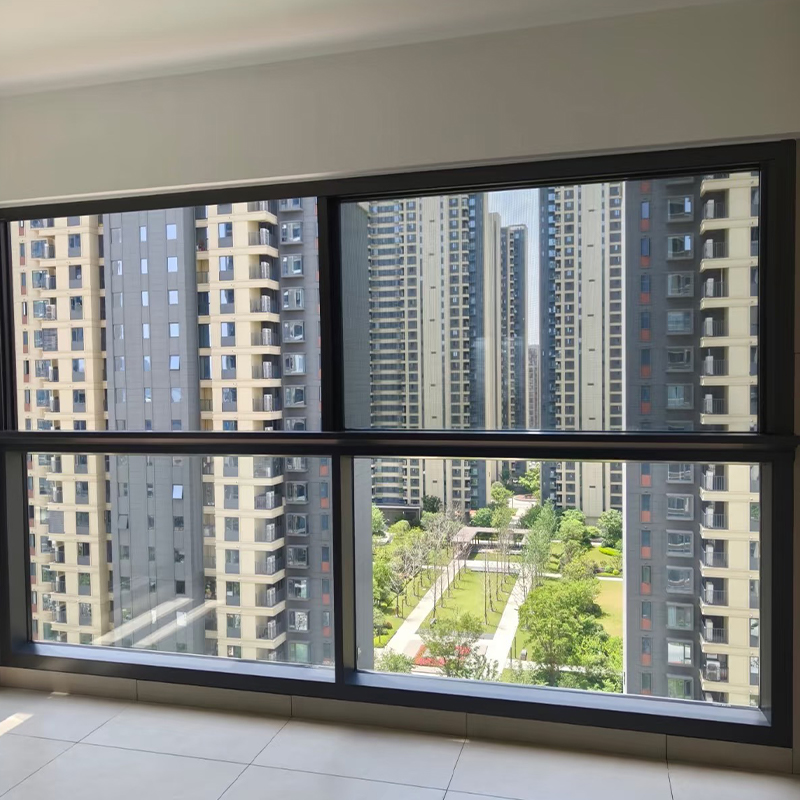 Corrosion-Resistant Aluminum Sliding Window for Coastal UseThis sliding window is highlighted after a discussion of aluminum's physical traits. Its corrosion-resistant frame and UV-stable finish suit humid or coastal settings, making it a practical choice for residential and light commercial enclosures.View Product →
Mechanical Characteristics of Aluminum
Mechanical characteristics describe how aluminum responds to force. For building envelopes, these characteristics decide whether a structure can carry its own weight, resist wind loads, and remain rigid for decades of use.
- High strength-to-weight ratio: Structural alloys such as 6061 and 6063 deliver tensile strength in the range of 90 to 570 MPa depending on the alloy and temper. At a fraction of steel's weight, this allows larger window spans and lighter framing, reducing the load on the building structure itself.
- Ductility and malleability: Aluminum extrudes cleanly into complex profiles, rolls into thin sheets, and bends without cracking when properly processed. This is what makes precise window, door, and curtain wall profiles possible at production scale, with consistent dimensions across long production runs.
- Strength at low temperatures: Aluminum does not become brittle with cold; in fact, its strength increases as temperature drops. This makes it a dependable material for building envelopes in cold climates and for structures that experience seasonal temperature extremes.
- Fatigue resistance: Aluminum withstands repeated loading well compared with many other metals. This matters for moving components such as window vents, folding doors, and louvers, which cycle thousands of times over a service life without losing performance.
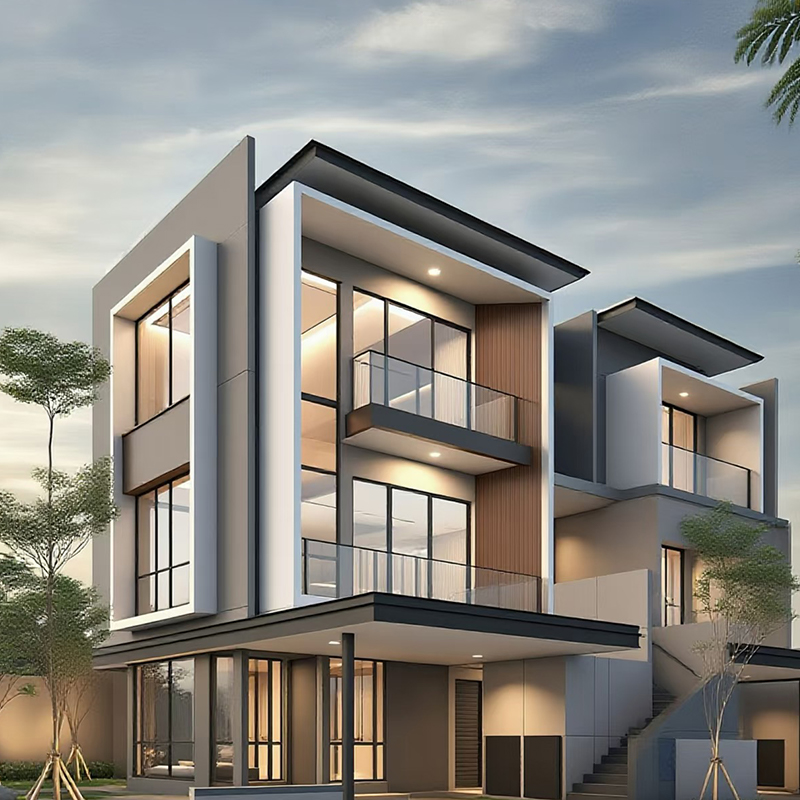 Stick-Built Aluminum Curtain Wall SystemPresented after exploring mechanical properties, this curtain wall relies on aluminum's strength and rigidity for wind resistance. Its thermally broken profiles and on-site assembly offer design flexibility for low- to mid-rise buildings.View Product →
Chemical Characteristics of Aluminum
The chemical behavior of aluminum is what makes the metal so low-maintenance and long-lasting in real-world environments. It also shapes how aluminum can be finished, cleaned, and recycled.
- Self-protecting oxide layer: The oxide film that forms naturally on aluminum is stable, dense, and self-healing. In architectural use, it supports decades of exterior service and creates an excellent base for anodizing or powder coating. This same layer is the reason aluminum does not produce rust stains on adjacent surfaces.
- Non-toxicity: Aluminum is non-toxic and does not release harmful substances under normal conditions, which is why it is approved for food packaging, cookware, and pharmaceutical applications. In buildings, this also means aluminum systems can be specified for schools, hospitals, and food preparation areas without concern.
- Recyclability: Aluminum can be recycled again and again without losing quality. Recycling consumes roughly 95 percent less energy than producing primary aluminum, making aluminum a strong ally for projects pursuing green building certification. A significant share of the aluminum used in modern building products already comes from recycled sources.
Aluminum Characteristics at a Glance
Here is a quick reference to the most important characteristics of aluminum for construction and product design.
| Characteristic | Typical Value or Behavior | Why It Matters |
|---|---|---|
| Density | 2.7 g/cm³ | Light and easy to handle, transport, and install |
| Tensile strength | 90 to 570 MPa depending on alloy | Provides structural strength for frames and profiles |
| Corrosion resistance | Self-healing oxide layer | Long service life in exterior environments |
| Thermal conductivity | Around 205 W/m·K | Requires thermal breaks to maintain insulation |
| Electrical conductivity | Around 60% of copper by volume | Efficient conductor at much lower weight |
| Recyclability | 100% without quality loss | Supports sustainable building goals |
Why Aluminum Characteristics Matter in Modern Buildings
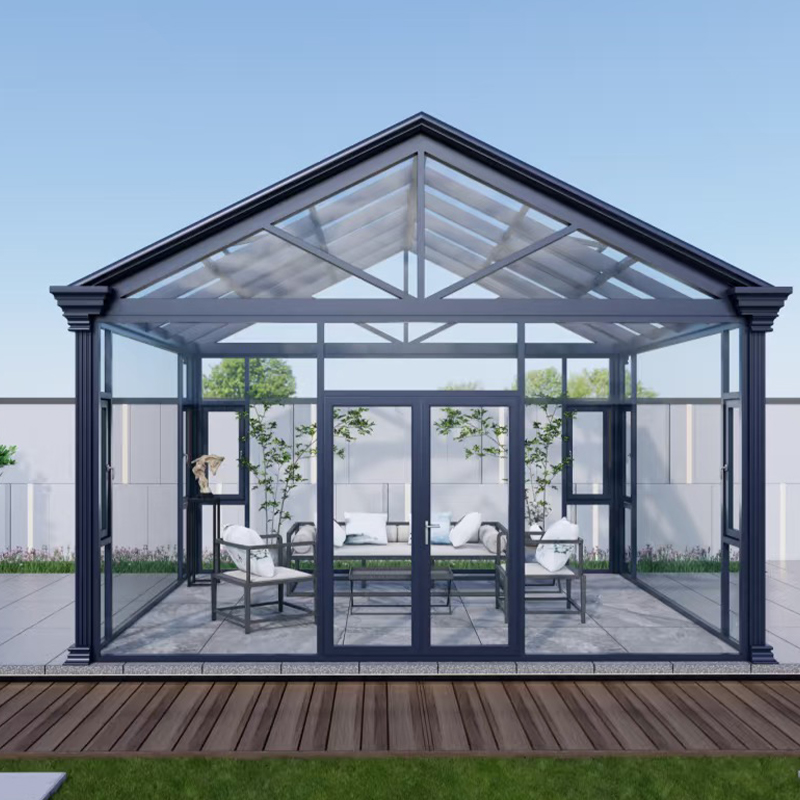
At Dongcheng, our product line has grown around the characteristics of aluminum because they align so well with what modern buildings demand. Take the A-frame sunroom as an example. Light weight makes the structure quick to assemble; corrosion resistance keeps it sound through years of outdoor exposure; and the strength-to-weight ratio allows a design that feels open and airy rather than heavy and enclosed. The same reasoning applies to aluminum windows, doors, curtain walls, and skylights across our catalog.
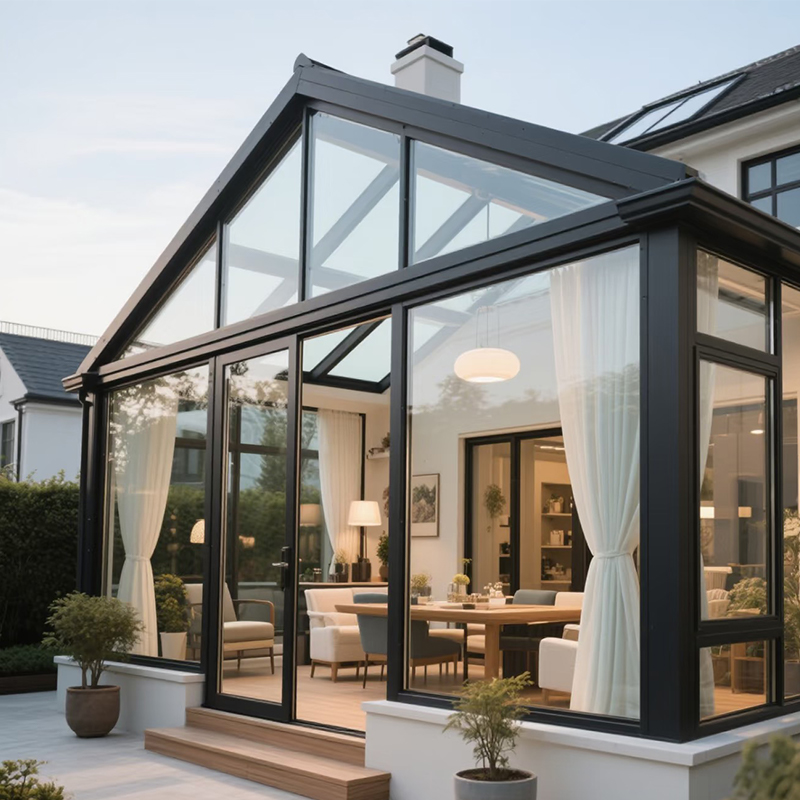 A-Frame Aluminum Sunroom with Rapid DrainageFollowing a discussion of aluminum's light weight and corrosion resistance, this sunroom combines a sloped roof for quick water runoff with a sturdy aluminum frame. It is suited for rainy climates and customizable for residential use.View Product →
Curtain walls tell a similar story. The extrudability of aluminum makes it possible to produce slender mullions and transoms that hold large glass panes securely while accommodating thermal movement. The non-magnetic nature of the metal is a bonus in specialized buildings such as hospitals, where sensitive imaging equipment requires reduced-ferrous environments. And because aluminum accepts a wide range of finishes, curtain walls can satisfy demanding aesthetics without sacrificing performance.
Even at the scale of a single window, the characteristics define the user experience. A well-designed aluminum window combines the strength of the alloy with thermal break strips that manage conductivity, and surface finishes that resist wear for years. When we publish a guide on aluminum sliding windows, we always come back to the material itself: the characteristics of aluminum are not just a chemistry lesson — they are the engineering foundation for better buildings.
Whether you are an architect specifying a facade, a contractor installing a sunroom, or a homeowner choosing new windows, the same fundamental characteristics apply. If you would like to see these characteristics turned into real products, browse our product range and let our experience guide your decision.

- Mobile
- Products
- Aluminum Window Series
- Aluminum Door Series
- Aluminum Sunroom Series
- Aluminum Sunroof Series
- Aluminum Louver Series
- Aluminum Railing Series
- Aluminum curtain wall
- Aluminum panel
- Aluminum door, window and curtain wall auxiliary materials
- Contact Us
-
-
+86-137 5720 8001

-
[email protected]

-
Room 102, Building 7, No. 399 Shushan Road, Hudong Street, Wuxing District, Huzhou City, Zhejiang Province, China

-


