

 English
  عربى
عربى 
Aluminum Sliding Window Suppliers | Procurement Tips for Buyers
Aug 04, 2026
Content
- 1 Why Aluminum Sliding Windows Are a Smart Choice for Your Project
- 2 What to Look for in Aluminum Sliding Window Suppliers
- 3 Red Flags to Avoid When Choosing a Supplier
- 4 How to Compare Supplier Quotes Correctly
- 5 Steps to Start Working with an Aluminum Sliding Window Supplier
- 6 Why Dongcheng Windows Is a Supplier Worth Considering
A construction manager overseeing a mid-rise apartment complex recently told me, “We picked the lowest quote and ended up with frames that warped within six months.” Stories like this are common when buyers treat aluminum sliding window suppliers as interchangeable. The product category is mature, but supplier capability varies dramatically. This guide walks you through a systematic evaluation process—from verifying quality systems and decoding quotes to recognizing red flags before they cost you—so your next bulk purchase matches your project’s technical and commercial requirements.
If you are sourcing for a residential, commercial, or institutional project, you can use the criteria here to build a shortlist. Dongcheng Windows offers an aluminum sliding windows range that illustrates many of the benchmark capabilities discussed throughout this article.
Why Aluminum Sliding Windows Are a Smart Choice for Your Project
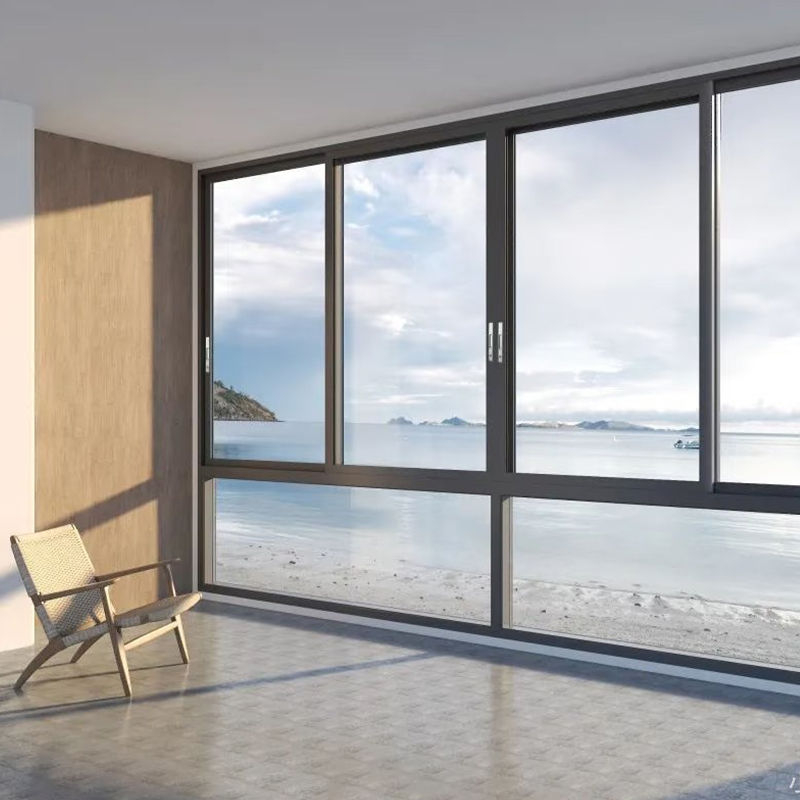
Aluminum sliding windows solve a concrete set of architectural and operational challenges. Because the sashes move horizontally along a track, they require zero interior or exterior clearance for swing, which makes them ideal for balconies, corridors, and areas with limited space. The large glass area maximizes daylight and natural ventilation, while multi-point locking hardware keeps operation smooth and secure.
Material performance matters equally. Aluminum is roughly one-third the weight of steel yet resists corrosion without the maintenance demands of wood. When combined with a thermal break—a polyamide strip that separates interior and exterior profiles—these windows meet increasingly strict energy codes. The aluminum itself is fully recyclable, an advantage for projects pursuing green certifications. On the usability side, designs like Dongcheng’s easy left-right sliding operation reduce long-term wear and make daily use effortless for building occupants.
The value of a good product depends entirely on the manufacturer behind it. Even the best window design will underperform if the supplier cannot maintain consistent extrusion tolerances, apply uniform finishes, or deliver on time. The next sections shift the focus from product features to supplier evaluation.
What to Look for in Aluminum Sliding Window Suppliers
Reliable aluminum sliding window suppliers share a set of operational and technical characteristics that reduce project risk. Use the following checklist when comparing manufacturers.
Quality Management System
A documented, externally audited quality management system such as ISO9000 is the most objective starting point. It tells you the supplier has standard processes for incoming material inspection, in-process control, final testing, and non-conformance handling. Dongcheng Windows, for example, operates under an ISO9000 framework, which helps ensure that each extrusion, gasket, and glass unit meets specification before shipment.
Production Equipment and Process Control
Ask how profiles are cut, machined, and assembled. CNC-controlled sawing and drilling centres, automated corner crimping, and in-line dimensional inspection reduce human error. Visit the factory if possible and look for cleanliness, labeling of work-in-progress batches, and calibration stickers on measurement tools. A facility located in the Huzhou High-tech Industrial Park, where Dongcheng integrates R&D, design, production, installation, and after-sales service, reflects a level of investment that often translates into tighter process discipline.
Complete Product Line and Customization
A supplier that only makes one window type may lack the engineering depth to handle custom configurations. Look for a portfolio that spans sliding windows, casement windows, curtain walls, and related systems. This breadth signals design capability and the flexibility to adapt profiles, glass specifications, and finishes to your project. For example, a corrosion-resistant and UV-resistant sliding window may be necessary in coastal or high-exposure environments, and not every supplier can deliver that.
Export and Project Experience
Suppliers with overseas project experience understand international packaging standards, container loading optimization, and documentation requirements. Dongcheng’s involvement in a Philippine project confirms that the team has navigated export logistics and site-specific compliance demands. When evaluating track records, ask for case studies showing window performance after several years of service, not just installation photos.
Red Flags to Avoid When Choosing a Supplier
Some warning signs appear early in supplier communication. Recognizing them saves time and prevents costly mistakes.
- Unusually low pricing. A quote that undercuts the market average by 25% or more usually means thinner profiles, lower-grade hardware, or cutting corners on anodizing or powder coating.
- No independent test reports. Reputable suppliers provide test certificates for air permeability, water tightness, wind load resistance, and thermal performance from accredited labs. If a supplier cannot share these documents, assume the data does not exist.
- Reluctance to provide samples. Asking for a small assembly sample or a cut section is standard procurement practice. Suppliers that push back may be hiding inconsistent finishes or weak mechanical joints.
- Vague delivery commitments. Statements like “soon” or “usually within a few weeks” signal poor production planning. Always request a written production schedule tied to a purchase order.
- No formal contract or quality clause. A reliable supplier will agree to define acceptance criteria, tolerance limits, and remedy obligations in writing. Refusal to sign a detailed agreement is a deal-breaker.
The gap between a verbal promise and verifiable evidence can be enormous. Insist on documentation, physical samples, and either an in-person or video-based factory tour to close that gap.
How to Compare Supplier Quotes Correctly
Buyers often focus on the window’s unit price per square meter and miss the specification details that drive real cost. Two quotes with the same project dimensions can hide profound differences in durability, thermal performance, and installation readiness. The table below breaks down the key elements you should line up side by side.
| Specification Element | What to Verify |
|---|---|
| Profile wall thickness | Minimum thickness per standard (e.g., 1.4 mm or 1.6 mm); check all load-bearing members |
| Glazing configuration | Single, double, or triple pane; Low‑E coatings; argon fill; spacer type |
| Hardware brand and type | Manufacturer, load rating, number of locking points, cycle-test certifications |
| Surface treatment | Powder coat vs. anodizing; film thickness; AAMA or Qualicoat compliance |
| Gaskets and seals | EPDM or silicone; continuous vs. corner-spliced; compression set resistance |
| Packaging and logistics | Individual wrapping, corner protection, shipping method, Incoterms |
When you request a quote, provide a detailed technical data sheet that fixes these variables. Dongcheng’s sliding window products—which feature corrosion-resistant and UV-resistant finishes and a left‑right sliding mechanism—demonstrate how a thorough specification helps prevent mispriced alternatives. After comparing normalized quotes, you can also read our detailed guide to aluminum sliding window benefits and installation for related cost considerations.
Steps to Start Working with an Aluminum Sliding Window Supplier
The transition from evaluation to procurement can be smooth if you follow a structured sequence.
- Define project requirements precisely. List window dimensions, opening style (e.g., two-panel sliding, three-panel with fixed centre), performance grades for air, water, and wind, quantity per floor, and any applicable building code references.
- Request technical documentation and samples. Ask for profile cross-section drawings, hardware specification sheets, test reports, and a physical or digital sample assembly. Compare the sample against the documentation.
- Agree on quality standards and acceptance criteria. Specify which international standard (EN, ASTM, AS) governs each test, the inspection lot size, and the acceptable quality level (AQL). Write these into the contract annex.
- Finalize contract terms. Lock in unit prices, payment milestones, delivery schedule, packaging requirements, and liability for non-conformance. Include a clause that allows third-party inspection before shipment.
Put every performance expectation in writing. Courts and arbitration panels enforce documents, not conversations. A supplier that welcomes detailed contractual specifications is usually one that can meet them.
Why Dongcheng Windows Is a Supplier Worth Considering
Dongcheng Windows brings together several capabilities that international buyers look for in a long-term aluminum sliding window partner. The company operates under an ISO9000 quality management system, covering the full chain from R&D and design to manufacturing, installation, and after-sales support. Its location in the Huzhou High-tech Industrial Park supports integrated workflow coordination.
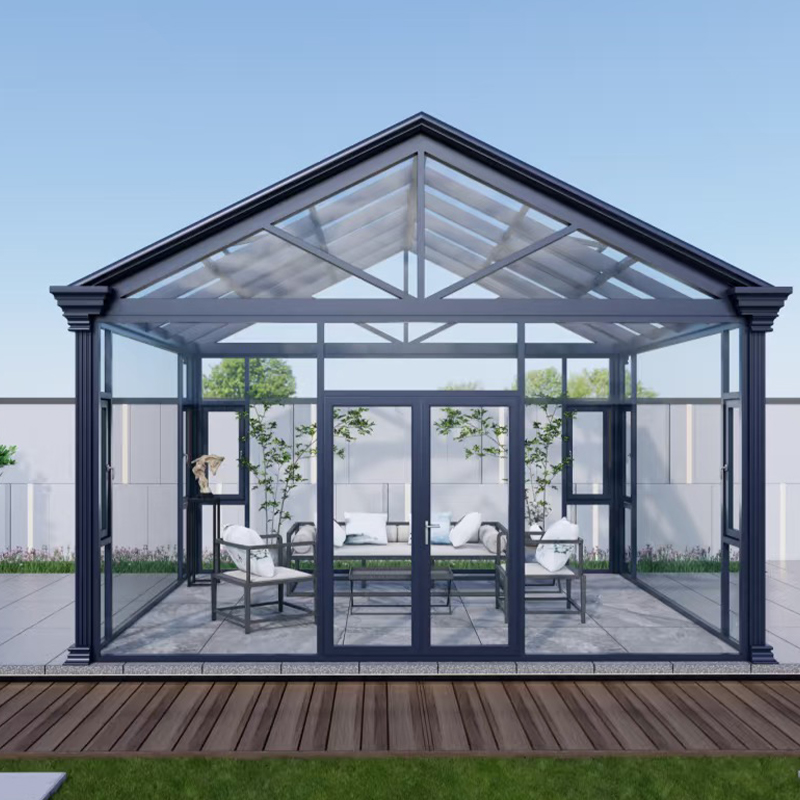
The product portfolio extends well beyond sliding windows into aluminum casement windows, curtain wall systems, and sunrooms, which gives clients the flexibility to source multiple fenestration products from a single manufacturer. Dongcheng’s factory has delivered a project in the Philippines, demonstrating familiarity with export packaging, logistics, and overseas site requirements. The brand positioning “Better Systems for Better Buildings” reflects a focus on system-level thinking rather than just selling individual window units.
To evaluate whether the product lines match your specifications, explore the aluminum sliding windows range and learn more about Dongcheng Windows as a company. Use the criteria in this guide to ask the supplier pointed questions, and you will be in a far stronger position to separate capable manufacturers from the rest.


- Mobile
- Products
- Aluminum Window Series
- Aluminum Door Series
- Aluminum Sunroom Series
- Aluminum Sunroof Series
- Aluminum Louver Series
- Aluminum Railing Series
- Aluminum curtain wall
- Aluminum panel
- Aluminum door, window and curtain wall auxiliary materials
- Contact Us
-
-
+86-137 5720 8001

-
[email protected]

-
Room 102, Building 7, No. 399 Shushan Road, Hudong Street, Wuxing District, Huzhou City, Zhejiang Province, China

-



