

 English
  عربى
عربى 
How Does an Aluminum Electric Skylight Bring More Natural Light Into Your Home?
Jul 06, 2026
Content
- 1 Understanding the Aluminum Electric Skylight
- 2 How the Motorized Opening System Works
- 3 Why Aluminum Framing Matters for Roof Applications
- 4 Choosing the Right Glazing for Light and Efficiency
- 5 Installation Considerations for Long-Term Performance
- 6 Maintaining Your Skylight Through the Seasons
- 7 Bringing It All Together
Understanding the Aluminum Electric Skylight
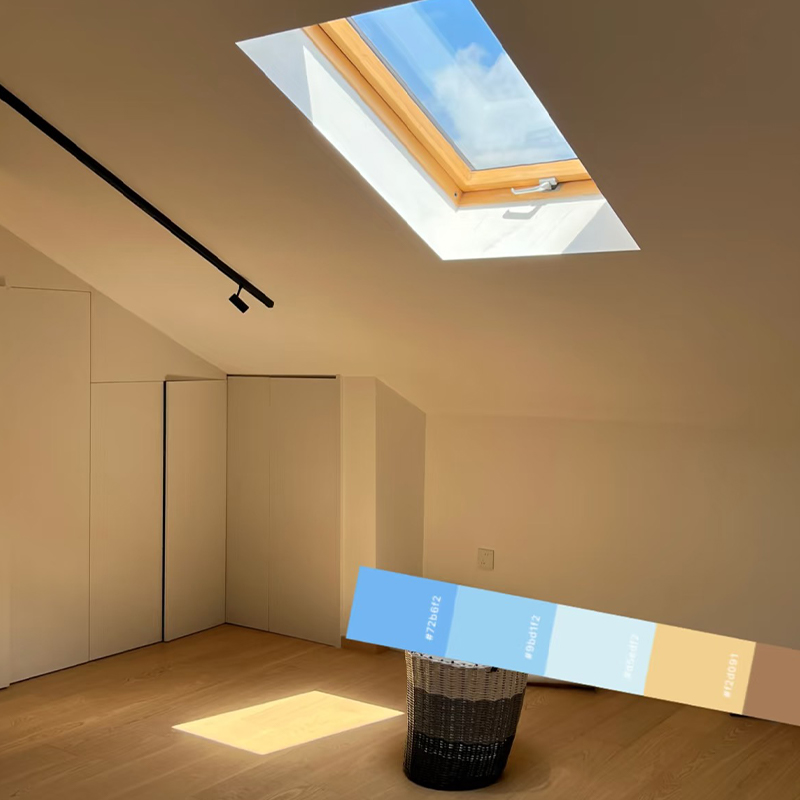
An aluminum electric skylight is a roof-mounted window system built with a corrosion-resistant aluminum frame and equipped with a motorized opening mechanism, allowing homeowners to let sunlight in while also controlling ventilation at the push of a button. Unlike fixed skylights, which only allow light to pass through, the electric variant opens and closes automatically, often through a remote control, wall switch, or smart home app. The aluminum frame is chosen specifically because it resists rust, warping, and expansion caused by temperature swings, making it a durable choice for roofs exposed to constant sun, rain, or snow. This combination of daylighting and active ventilation is why the product has become a popular upgrade for kitchens, bathrooms, staircases, and attic conversions where natural light is limited but fresh airflow is still needed.
The phrase "let the sunlight in" captures the core purpose of this fixture, but the electric and aluminum qualities are what separate it from a basic glass panel. Understanding how the motor, frame, and glazing work together helps homeowners choose a unit that performs well for years rather than one that fails after a single storm season.
How the Motorized Opening System Works
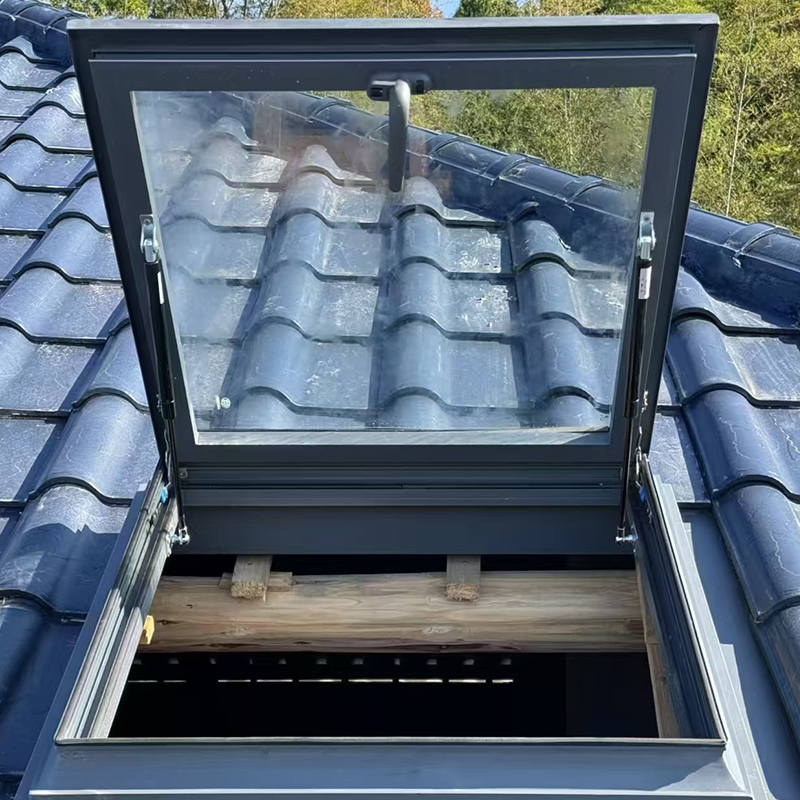
The electric function of the skylight relies on a small motor housed within the frame, connected to a chain or spindle mechanism that pushes the sash open or pulls it closed. Most modern units run on low-voltage wiring, which is safer to install near a roofline than standard household voltage, and many models include a battery backup so the skylight can still close automatically if a rainstorm begins during a power outage.
Rain Sensors and Automation
A built-in rain sensor is one of the most valuable features on an electric skylight. This small sensor detects moisture on the glass and triggers the motor to close the vent within seconds, protecting interior flooring and furniture from water damage even when no one is home.
Remote and Smart Controls
Depending on the model, the skylight can be operated through a handheld remote, a wall-mounted switch, or a smart home app that also allows scheduling, such as opening the vent each morning to release humidity after a shower and closing it automatically at night.
Why Aluminum Framing Matters for Roof Applications
The frame material of a skylight has a direct impact on how well it survives years of direct sun exposure, temperature cycling, and moisture. Aluminum is favored for several concrete reasons rather than simply being a cheaper alternative to wood or vinyl.
- Aluminum does not rot, swell, or warp when exposed to repeated rain and humidity
- The material holds a thermally broken profile well, reducing heat transfer between the interior and exterior of the frame
- Powder-coated aluminum resists chipping and fading, keeping the exterior finish looking new for many years
- Its lightweight nature reduces stress on the roof structure compared to heavier steel frames
- Aluminum is fully recyclable, which appeals to homeowners focused on sustainable building materials
Choosing the Right Glazing for Light and Efficiency
The glass or glazing used in the skylight determines how much light enters the room and how much heat is gained or lost through the opening. The table below compares common glazing options to help clarify which is best suited for different climates and rooms.
| Glazing Type | Light Transmission | Best Use Case |
| Clear Double-Pane | High | Living rooms, stairwells |
| Low-E Coated Glass | Moderate | Hot climates, south-facing roofs |
| Frosted or Tinted | Low to Moderate | Bathrooms, privacy-focused rooms |
| Laminated Safety Glass | High | Areas prone to hail or debris |
Selecting the correct glazing prevents common complaints such as overheating in summer or excessive heat loss in winter, both of which can undermine the energy efficiency benefits the skylight is meant to provide.
Installation Considerations for Long-Term Performance
Proper installation is just as important as product quality when it comes to preventing leaks and ensuring the electric components function correctly for years. Roofing professionals typically recommend flashing kits specifically designed for the skylight model being installed, since a mismatched flashing system is one of the leading causes of roof leaks around skylight openings.
The roof pitch also affects performance, as skylights installed on very low-slope roofs need additional curb height to prevent water pooling around the frame. Electrical wiring for the motor and rain sensor should be run through a licensed electrician or a certified skylight installer to ensure the low-voltage transformer is properly grounded and weatherproofed at the point where it enters the roof structure.
Maintaining Your Skylight Through the Seasons
Routine maintenance keeps both the daylighting and ventilation functions working smoothly. Clean the exterior glass twice a year using a soft brush and mild soapy water to remove pollen, dust, and debris that reduce light transmission over time. Inspect the rubber seals around the frame annually for cracking, as worn seals are a common source of drafts and minor leaks.
Test the motor and rain sensor at the start of each rainy season by manually triggering the open and close cycle to confirm the mechanism responds quickly. Replacing backup batteries annually, even if they still hold a charge, prevents unexpected failures during a power outage when the skylight needs to close on its own.
Bringing It All Together
An aluminum electric skylight combines durable framing, smart automation, and carefully selected glazing to genuinely let more sunlight into a home without sacrificing protection from the elements. By understanding how the motor and sensors work, choosing the right glass for the climate, ensuring correct installation, and following a simple maintenance routine, homeowners can enjoy a brighter, better-ventilated living space for many years without unexpected repairs or performance issues.

- Mobile
- Products
- Aluminum Window Series
- Aluminum Door Series
- Aluminum Sunroom Series
- Aluminum Sunroof Series
- Aluminum Louver Series
- Aluminum Railing Series
- Aluminum curtain wall
- Aluminum panel
- Aluminum door, window and curtain wall auxiliary materials
- Contact Us
-
-
+86-137 5720 8001

-
[email protected]

-
Room 102, Building 7, No. 399 Shushan Road, Hudong Street, Wuxing District, Huzhou City, Zhejiang Province, China

-



