

 English
  عربى
عربى 
What Makes Aluminum Balcony Railings a Reliable Safety and Design Choice?
Jul 13, 2026
Content
- 1 Why Aluminum Has Become the Standard for Balcony Railing Systems
- 2 Structural Integrity Built Into Every Frame
- 3 Meeting Safety Codes for Vertical Bar Spacing
- 4 Surface Treatments That Extend Service Life
- 5 Design Flexibility Across Architectural Styles
- 6 Comparing Aluminum to Other Common Railing Materials
- 7 Key Considerations Before Ordering Aluminum Railings
Why Aluminum Has Become the Standard for Balcony Railing Systems
Balcony railings serve a dual purpose that few other building components share so directly: they must protect lives while also contributing meaningfully to a structure's visual identity. Aluminum alloy has emerged as a leading material choice because it satisfies both demands without forcing a compromise. Unlike wood, which requires ongoing maintenance to resist rot and warping, or steel, which is prone to rust without constant upkeep, aluminum offers a naturally corrosion-resistant profile that holds up well across varied climates and building types.
For architects, contractors, and property owners evaluating railing systems for balconies, terraces, or elevated walkways, understanding the structural and aesthetic properties of aluminum railings helps clarify why this material continues to gain market share over traditional alternatives.
Structural Integrity Built Into Every Frame
Safety at height depends heavily on the strength and assembly quality of the railing frame. Heavy-gauge aluminum alloy profiles form the primary structural components of a well-engineered balcony railing, providing the rigidity needed to withstand impact, wind load, and the ongoing stress of daily use. These profiles are welded and assembled using techniques designed to maintain structural continuity across joints, which is critical since weak points at connections are often where railing failures occur.
Weld Quality and Joint Strength
A railing system is only as strong as its weakest joint. Properly welded aluminum connections distribute stress evenly across the frame, reducing the risk of cracking or separation under sustained pressure or sudden impact.
Impact Resistance at Height
Railings installed at elevation must be capable of absorbing accidental impacts, whether from furniture, foot traffic, or environmental factors like falling debris, without deforming or losing structural stability.
Meeting Safety Codes for Vertical Bar Spacing
One of the most important, and often overlooked, safety considerations in balcony railing design is vertical bar spacing. Building codes in most jurisdictions require spacing narrow enough to prevent a small child from climbing the railing or slipping through the gaps. Aluminum railing systems designed for residential and commercial use are engineered specifically to comply with these spacing requirements, giving property owners confidence that the installed system meets legal safety obligations.
| Safety Factor | Why It Matters |
| Vertical bar spacing | Prevents climbing and reduces fall risk for children |
| Frame rigidity | Withstands lateral force and leaning weight over time |
| Railing height | Meets minimum code requirements for fall prevention |
| Load-bearing capacity | Ensures railing performs safely under crowd or pressure loads |
These code-driven specifications are non-negotiable in most construction projects, making it essential for buyers to confirm compliance details before finalizing any railing order, particularly for multi-unit residential buildings or public-facing commercial properties.
Surface Treatments That Extend Service Life
While the aluminum frame provides structural strength, the surface treatment determines how well the railing withstands environmental exposure over years of outdoor use. Two primary coating methods dominate the market: fluorocarbon spray coating and electrostatic powder coating.
Fluorocarbon Spray Coating
This treatment is known for its exceptional resistance to UV degradation, making it a strong choice for balconies and terraces exposed to prolonged direct sunlight. Fluorocarbon coatings also resist fading and chalking, helping the railing maintain its original color and finish for a longer period.
Electrostatic Powder Coating
Powder coating applies an electrostatically charged finish that bonds tightly to the aluminum surface, creating a durable barrier against scratching and corrosion. This method also allows for a broad range of color options, giving designers flexibility to match railings to a building's overall color scheme.
Both treatments significantly extend the service life of aluminum railings by protecting against the three primary threats to outdoor metal components: UV exposure, surface abrasion, and atmospheric corrosion from rain, humidity, or coastal salt air.
Design Flexibility Across Architectural Styles
Aluminum balcony railings are no longer limited to a single utilitarian look. Modern manufacturing techniques allow for a wide range of design configurations, giving architects and homeowners the ability to match railings to virtually any architectural style.
- Minimalist solid-bar profiles for contemporary and modern building facades
- Decorative perforated panels that add visual texture while maintaining safety compliance
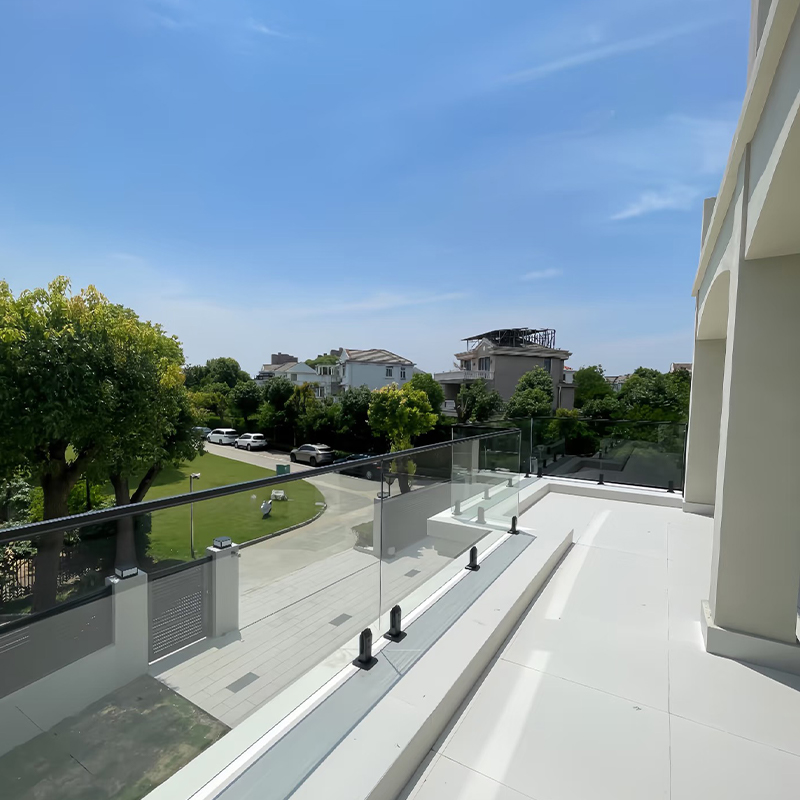
- Glass-infill options for unobstructed views combined with a sleek, modern aesthetic
- Ornamental profiles suited to traditional or classical architectural designs
This range of configurations means aluminum railings can serve equally well in a high-rise urban apartment complex, a suburban single-family home, or a heritage-style commercial building undergoing renovation, without sacrificing either safety performance or design intent.
Comparing Aluminum to Other Common Railing Materials
When weighing material options for balcony railings, it helps to compare aluminum against the other most commonly used materials in construction: wood and steel.
Wood railings offer a natural aesthetic but require regular sealing, staining, and inspection for rot or insect damage, particularly in humid or coastal climates. Steel railings provide strong structural performance but are heavier and more susceptible to rust unless properly galvanized or coated, which adds to long-term maintenance costs. Aluminum strikes a practical balance, offering strong corrosion resistance, lighter weight for easier installation, and lower long-term maintenance requirements compared to both alternatives.
Key Considerations Before Ordering Aluminum Railings
Before finalizing a railing order, buyers should confirm several practical details to ensure the product matches their project requirements. Verify that vertical bar spacing meets local building codes, particularly for residential properties where children may be present. Request documentation on load-bearing capacity to confirm the railing meets the specific safety standards required for the building type and occupancy level.
It is also worth confirming which surface treatment best suits the installation environment, since coastal or high-UV locations may benefit more from fluorocarbon coating, while standard urban or suburban settings may find powder coating sufficient. Finally, reviewing available design configurations early in the planning process helps ensure the final railing choice complements the building's architectural style while meeting all necessary safety requirements.

- Mobile
- Products
- Aluminum Window Series
- Aluminum Door Series
- Aluminum Sunroom Series
- Aluminum Sunroof Series
- Aluminum Louver Series
- Aluminum Railing Series
- Aluminum curtain wall
- Aluminum panel
- Aluminum door, window and curtain wall auxiliary materials
- Contact Us
-
-
+86-137 5720 8001

-
[email protected]

-
Room 102, Building 7, No. 399 Shushan Road, Hudong Street, Wuxing District, Huzhou City, Zhejiang Province, China

-



