

 English
 عربى

Aluminum Environmental Effects: Benefits, Trade-Offs, and Better Building Choices
Nov 05, 2026
Content
- 1 What Aluminum Environmental Effects Really Include
- 2 The Production Side: Mining, Refining, and Smelting
- 3 The Use Phase: Where Aluminum Often Earns Its Keep
- 4 Recycling and Circularity: Aluminum's Best Environmental Argument
- 5 Practical Ways to Lower the Impact of Aluminum in Buildings
- 6 A Balanced Bottom Line
Aluminum is one of the most useful materials in modern buildings. It is light, strong enough for large frames, resists corrosion, and can be recycled repeatedly without losing its core properties. Those qualities explain why aluminum doors, windows, curtain walls, sunrooms, skylights and louvers are common. But the aluminum environmental effects story is not a simple green label. It begins with mining and electricity-intensive smelting, runs through fabrication and finishing, and continues through decades of building use before recycling. The useful question is not whether aluminum is "good" or "bad." It is how to specify it so that long service life and recyclability are not undermined by avoidable production and use-phase impacts.
What Aluminum Environmental Effects Really Include
Aluminum's impacts are lifecycle impacts. Primary aluminum is made from bauxite, which is refined into alumina and then smelted into metal using large amounts of electricity. Recycled aluminum avoids most of that primary smelting step. The commonly cited figure is that recycling aluminum saves about 95% of the energy needed for primary production, though actual savings depend on scrap quality, alloy, transport and the local electricity mix. In other words, recycled content is valuable, but it is not the whole story.
A lifecycle view also separates global production impacts from building-level performance. The table below shows the main stages and the practical levers available to project teams.
| Lifecycle stage | Main environmental considerations | Practical design response |
|---|---|---|
| Bauxite mining and alumina refining | Land disturbance, water use, dust, red mud management | Choose suppliers with responsible sourcing and rehabilitation records |
| Primary aluminum smelting | Electricity demand and greenhouse gas emissions; grid mix matters | Specify low-carbon or recycled-content aluminum where available |
| Fabrication and finishing | Energy, coating chemicals, wastewater, transport and offcuts | Use durable finishes, optimize profiles and plan for scrap recovery |
| Building use | Thermal bridging, heating and cooling loads, maintenance | Use thermal breaks, good glazing, shading and airtight installation |
| End of life | Collection, sorting, coating removal and alloy mixing | Design for disassembly and set up take-back or recycling routes |
The Production Side: Mining, Refining, and Smelting
Most environmental concern around aluminum starts upstream. Bauxite mining can disturb land, affect local water and create dust. Alumina refining produces red mud, a residue that needs careful management. Primary smelting is energy-intensive, and its greenhouse gas profile depends heavily on whether the grid is coal-based or renewable. Smelters can also produce air emissions that require control, including fluoride and sulfur dioxide, depending on the technology and input materials.
Fabrication and finishing add another layer. Extrusion, anodizing, powder coating, cutting and assembly use energy and can generate wastewater, solvents and offcuts. These impacts are usually smaller than primary smelting, but they are not zero. They are also the stages where a well-run factory can make a real difference through process control, waste segregation and durable finishes that extend service life.
The energy source behind smelting is especially important. Two aluminum profiles can use similar metal but carry very different carbon footprints if one comes from a smelter powered mainly by coal and the other from a cleaner grid. That is why generic claims about aluminum's sustainability should be treated with caution. Better questions are more specific: Where was the metal made? What is the recycled content? What finish was used? And how long will the finished assembly last?
The Use Phase: Where Aluminum Often Earns Its Keep
In buildings, aluminum's low weight reduces structural loads, its corrosion resistance cuts maintenance, and its long service life avoids premature replacement. Those benefits matter because the use phase can last decades. A facade or window that performs well for 30 years avoids the impacts of manufacturing and installing a replacement.
There is a catch: aluminum conducts heat efficiently. A poorly specified aluminum window can become a thermal bridge, increasing heating and cooling loads and raising condensation risk. A well-designed system uses thermal breaks, warm-edge spacers, suitable glazing and airtight installation. The frame alone does not guarantee performance, but it can either support or undermine the glass and building envelope.
For commercial envelopes, unitized curtain wall systems can improve factory quality control and reduce site waste, while stick-built systems offer flexibility for complex projects. We manufacture both because the right choice depends on the building, not on a single marketing claim.
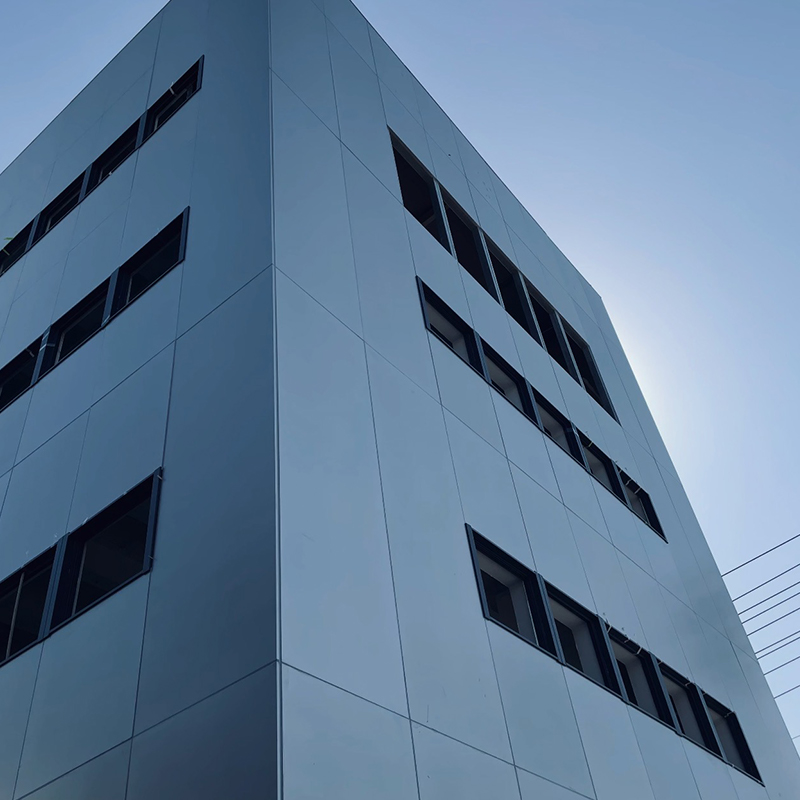 Unitized Aluminum Curtain Wall Facade SystemFactory-assembled, floor-height panels with interlocking joints and continuous drainage, suited to high-rise projects needing speed and quality control.View Product →
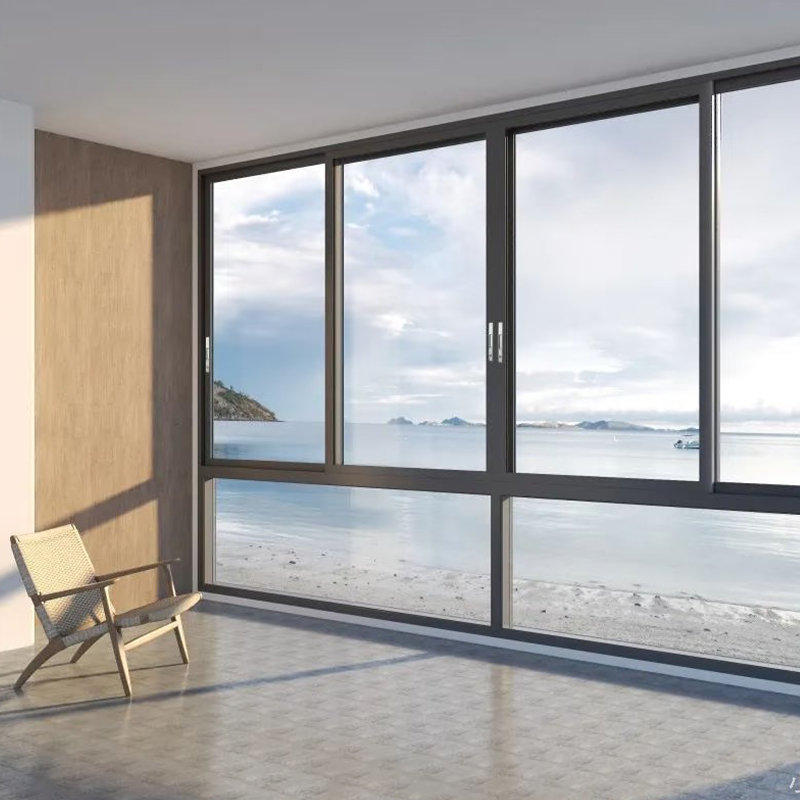
Even familiar products deserve a lifecycle check. Our guide to aluminum sliding windows looks at how frames, tracks, sealing and installation affect long-term performance and cost.
Recycling and Circularity: Aluminum's Best Environmental Argument
Aluminum is one of the few building materials with a strong end-of-life market. Scrap aluminum has value, and recycling it avoids the energy and emissions of primary smelting. It can be recycled repeatedly, although sorting, coatings, mixed alloys and collection systems still affect real-world recovery. A window that is glued, foamed and fixed in ways that make separation difficult is less likely to re-enter a useful recycling stream.
That is why design for disassembly matters. Mechanical fixings, clear material labeling and avoidable composite assemblies make it easier to recover aluminum at renovation or demolition. Recycled content and recyclability are both useful, but they are stronger when the project also plans how the material will be collected and processed.
For building owners, the most durable circularity strategy is often simple: keep the material in service longer. Repair rather than replace. Choose finishes that tolerate cleaning and weather. Design joints and fixings so that damaged components can be removed without destroying the whole frame. Aluminum's recycling story is strong, but reuse and long life usually come first.
Practical Ways to Lower the Impact of Aluminum in Buildings
No single specification fixes every impact. A practical approach combines responsible sourcing, efficient design and realistic performance targets.
- Ask for recycled content and environmental product declarations, not just a "recyclable" label.
- Specify low-carbon primary aluminum where available, and ask about the electricity source for smelting.
- Design out waste with standard profiles, optimized cutting and a plan for returning offcuts.
- Choose durable finishes and avoid over-specifying coatings that add process impacts without extending life.
- Get the whole assembly right: thermal breaks, glazing, shading, airtightness and installation quality.
- Plan for end of life with mechanical fixings, material labeling and take-back routes.
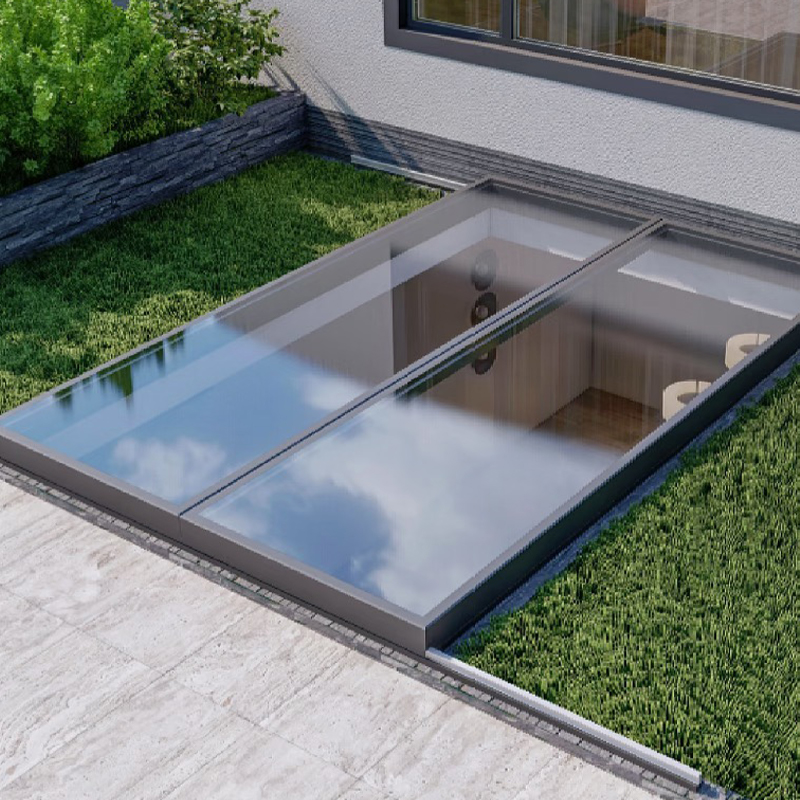
Daylighting is a good example of how material choice links to operational energy. An electric skylight can bring natural light into a stairwell or atrium and, when openable, support ventilation. It is not a substitute for good envelope design, but it can reduce the hours when electric lighting is needed. Our electric skylight range includes safety-glass options for projects where overhead glazing needs extra protection.
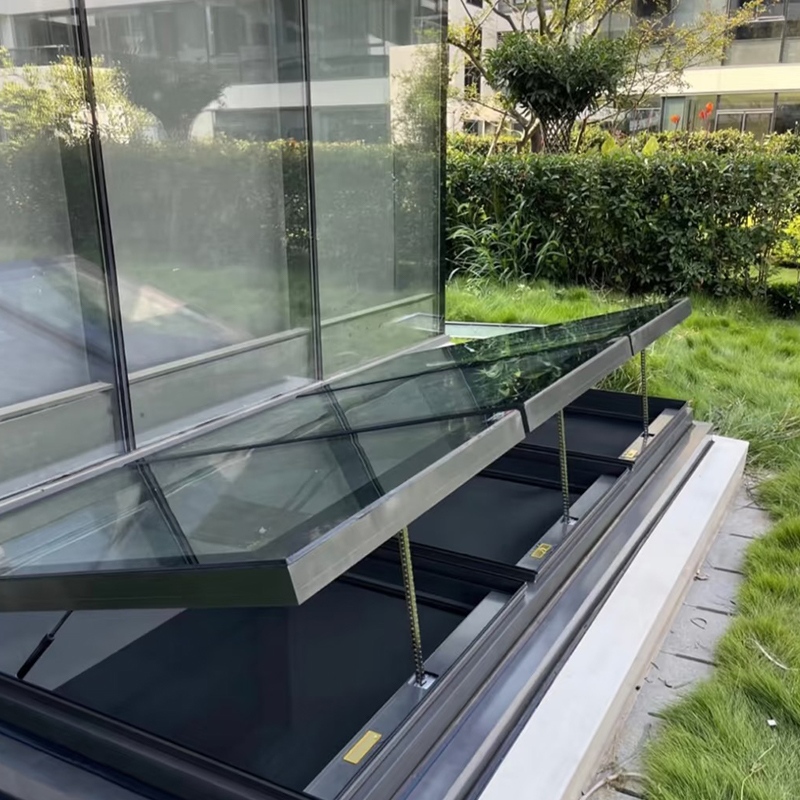 Motorized Electric Skylight with Safety GlassAluminum motorized skylight with tempered or laminated safety glazing, programmable ventilation, smart controls, and optional rain-sensing closure for automated daylight and weather protection.View Product →
Shading is the other side of the same coin. On east- and west-facing facades, exterior louvers can block solar gain before it reaches the glass. Electric louvers also give facility teams a way to adjust shading as the sun moves, rather than relying only on fixed interior blinds.
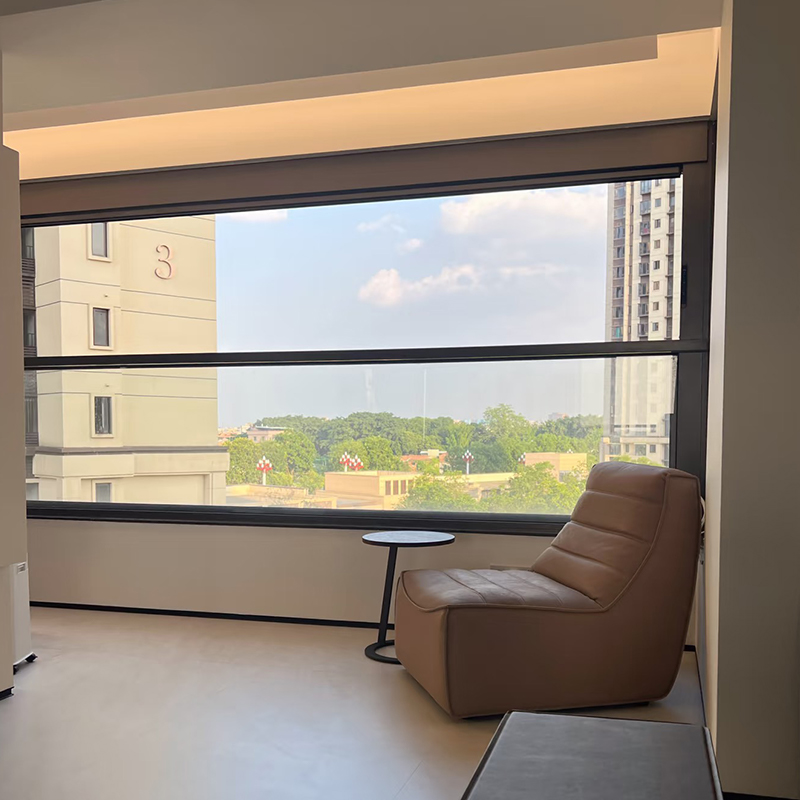
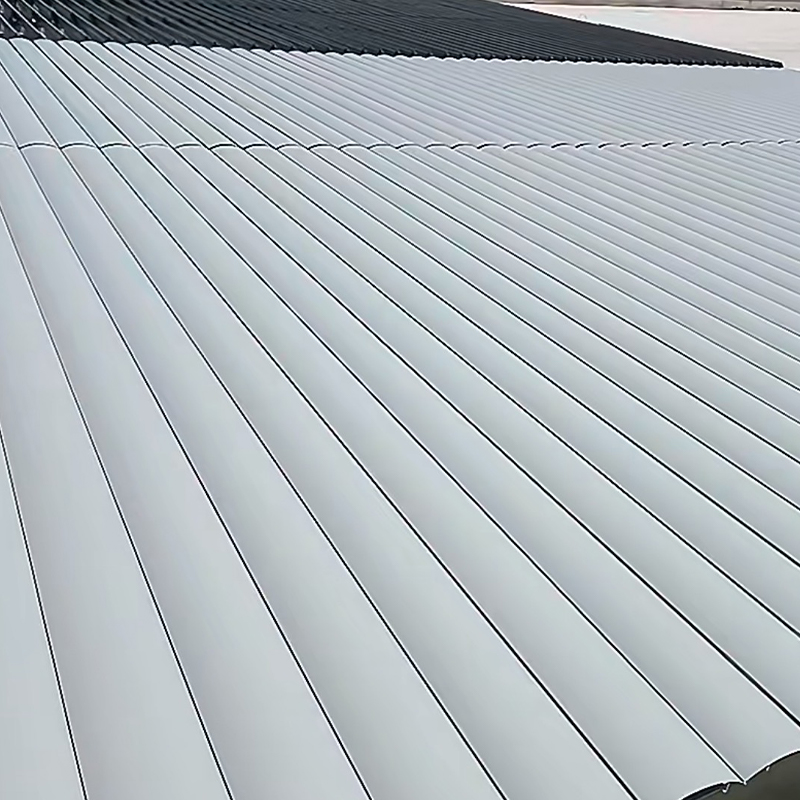 Motorized Electric Louver for Automated Solar ShadingAluminum motorized louver with weather-resistant enclosed drive, configurable blade angles, and smart controls for adaptive shading, ventilation, and privacy on commercial facades.View Product →
A Balanced Bottom Line
Aluminum will remain central to energy-efficient buildings because it is durable, repairable, light and recyclable. But its environmental effects are real and start long before a window reaches a site. The best projects treat recycled content, smelting energy, finish durability, thermal performance and end-of-life planning as connected decisions. At Dongcheng, that is the standard we try to work toward: better systems for better buildings, with fewer avoidable impacts at each stage.
For owners and designers, the practical takeaway is simple. Ask for data, design for long life, and make recycling easy. Aluminum can be part of a lower-impact building, but only when the whole lifecycle is considered.

- Mobile
- Products
- Aluminum Window Series
- Aluminum Door Series
- Aluminum Sunroom Series
- Aluminum Sunroof Series
- Aluminum Louver Series
- Aluminum Railing Series
- Aluminum curtain wall
- Aluminum panel
- Aluminum door, window and curtain wall auxiliary materials
- Contact Us
-
-
+86-137 5720 8001

-
[email protected]

-
Room 102, Building 7, No. 399 Shushan Road, Hudong Street, Wuxing District, Huzhou City, Zhejiang Province, China

-


