

 English
 عربى

ASTM B209 PDF: Aluminum Sheet and Plate Standard Explained for Global Buyers
Sep 30, 2026
Content
If you have been searching for an ASTM B209 PDF, you are likely trying to understand the standard that governs aluminum and aluminum-alloy sheet, coiled sheet, and plate. Whether you are an engineer writing a specification, a buyer comparing quotations, or a fabricator checking incoming material, having the right document at hand saves time and prevents costly mistakes. This guide explains what ASTM B209 contains, how the metric B209M version differs, where to find a legitimate PDF, and how the standard connects to real-world aluminum fenestration and curtain wall projects.
What ASTM B209 Covers
ASTM B209 is the Standard Specification for Aluminum and Aluminum-Alloy Sheet and Plate. It covers flat sheet, coiled sheet, and plate in a wide range of alloys and tempers. The standard does not cover every aluminum product; it focuses on wrought flat-rolled material that is commonly used in architectural, transportation, electrical, and industrial applications.
The specification addresses chemical composition, mechanical properties, dimensional tolerances, workmanship, sampling, test methods, inspection, and packaging. It also defines the ordering information that a purchaser must provide so that the supplier can deliver the correct material. For international projects, ASTM B209M provides the same requirements using metric units, while ASTM B209 uses inch-pound units.
The latest editions are generally identified as B209/B209M-21a and similar revisions. Older versions such as B209-96 or B209M-14 may still appear in project archives, but they may not reflect current alloy designations, tolerances, or testing requirements. That is one reason why downloading a random PDF from the internet can be risky: you may end up working with an obsolete edition.
What You Will Find Inside an ASTM B209 PDF
A complete ASTM B209 PDF is organized into sections that mirror the lifecycle of a material order. The table below summarizes the main parts you should expect.
| Section | What it covers | Why it matters |
|---|---|---|
| Scope | Alloys, tempers, product forms, and exclusions | Confirms whether your sheet or plate is covered |
| Referenced Documents | Other ASTM standards for testing and practice | Prevents conflicting test methods |
| Ordering Information | Alloy, temper, dimensions, quantity, and certification | Reduces delivery errors and disputes |
| Chemical Composition | Limits for alloying elements and impurities | Verifies material grade and corrosion behavior |
| Mechanical Properties | Tensile strength, yield strength, and elongation | Supports structural and forming calculations |
| Dimensions and Tolerances | Thickness, width, length, and flatness | Ensures fit-up in fabrication and assembly |
| Test Methods | Sampling, tension testing, and chemical analysis | Provides repeatable acceptance criteria |
| Inspection and Packaging | Inspection, rejection, certification, and marking | Protects quality and traceability |
Reading the standard from front to back is not always necessary. Most users jump to the alloy tables, temper designations, and tolerance tables that apply to their specific order.
Alloys, Tempers, and Common Applications
ASTM B209 includes many non-heat-treatable and heat-treatable alloys. Common examples include 1100, 3003, 5052, 5083, 6061, and 7075. Tempers range from annealed O to strain-hardened H tempers and solution heat-treated T tempers. The choice depends on strength, formability, corrosion resistance, weldability, and surface finish.
In architecture, 3003 and 5052 sheet are often selected for curtain wall panels, column covers, and roofing because they offer good corrosion resistance and moderate strength. 6061 plate is used where higher strength and machinability are needed, such as structural brackets and frames. For decorative and insulated panels, the sheet may be painted, anodized, or laminated before it reaches the project site.
Our own aluminum panel range is built around these flat-rolled materials, and we work with project teams to select alloys and tempers that match both the ASTM B209 specification and the building's performance goals.
 Aluminum panel ManufacturersDongcheng's aluminum single panels are manufactured from premium aluminum alloy sheet stock, processed through precision shearing, bending, punching, and surface coati...View Product →
When these sheets are formed into facade elements, they become part of complete aluminum curtain wall systems that must also resist wind, rain, and thermal movement. The material standard is only one part of the picture, but it is a critical one.
Key Properties and Tolerances to Check
Not every value in an ASTM B209 PDF carries the same weight for every project. The following table highlights the data that most designers, fabricators, and inspectors check first.
| Property or tolerance | Typical consideration | Design impact |
|---|---|---|
| Tensile strength | Minimum values by alloy and temper | Affects load capacity and safety factors |
| Yield strength | Offset yield or specified minimum | Controls permanent deformation under load |
| Elongation | Minimum percentage in 2 in. or 50 mm | Indicates formability and bendability |
| Thickness tolerance | Plus and minus limits by thickness range | Influences weight, stiffness, and fit |
| Width and length tolerance | Sheared, sawed, or edge-finished limits | Reduces waste during cutting and assembly |
| Flatness | Maximum deviation from a plane | Affects panel appearance and glazing |
| Chemical composition | Alloying element ranges and impurities | Determines corrosion and welding behavior |
If you are comparing quotations, ask suppliers to state the exact edition of ASTM B209 they are working to and to provide mill certificates that trace the heat or lot number. A low price may hide a different temper, a wider tolerance, or a non-compliant alloy.
ASTM B209 vs. B209M: Which PDF Do You Need?
The difference between ASTM B209 and ASTM B209M is primarily units. B209 uses inch-pound values, while B209M uses SI metric values. The technical requirements are intended to be equivalent, but the tables and tolerances are presented in different units. Many international projects specify B209M because drawings, structural calculations, and site measurements are already in millimeters.
If your project spans multiple countries, confirm which version appears in the contract documents. Using the wrong unit system can create confusion during inspection, even when the material itself meets the intended grade. The safest approach is to obtain the exact PDF edition referenced in the specification and keep it with the project quality plan.
How to Get a Legitimate ASTM B209 PDF
ASTM standards are copyrighted documents. The most reliable way to get an ASTM B209 PDF is through ASTM International's official website or an authorized standards distributor. Many companies also maintain subscriptions to ASTM Compass, which provides searchable digital access to current and historical editions.
You may find older versions such as B209-96 on public archive sites. These can be useful for historical research, but they should not be used for new procurement or fabrication. A free file may be incomplete, scanned poorly, or several revisions out of date. When a project requires compliance, always verify that you are using the edition specified by the contract.
If you only need to check a few clauses, ASTM's official platform allows you to purchase individual standards or access them through a subscription. This is usually faster and safer than chasing unofficial copies.
Applying ASTM B209 in Aluminum Fenestration Projects
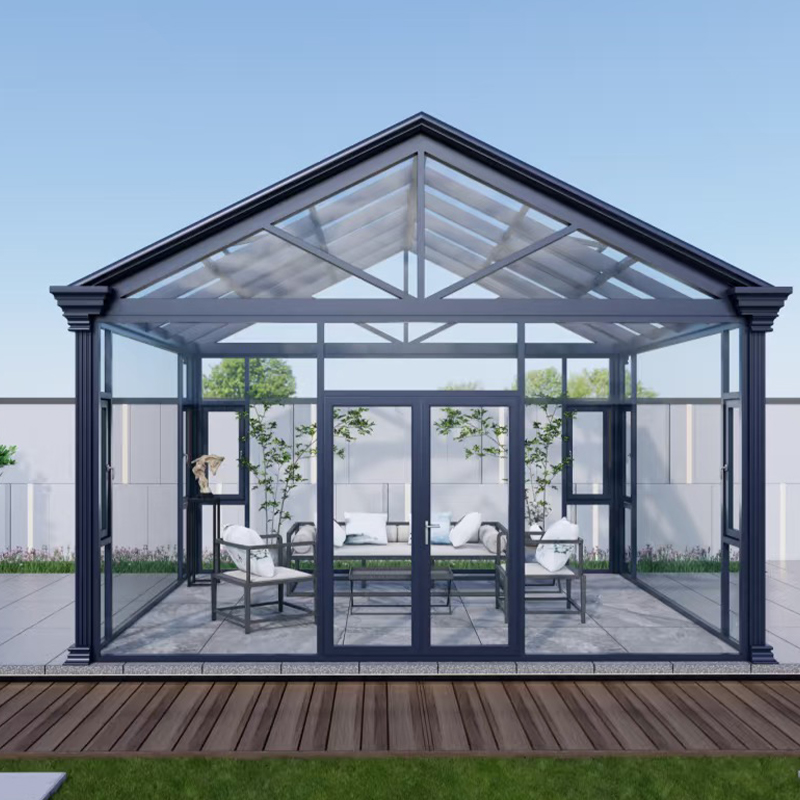
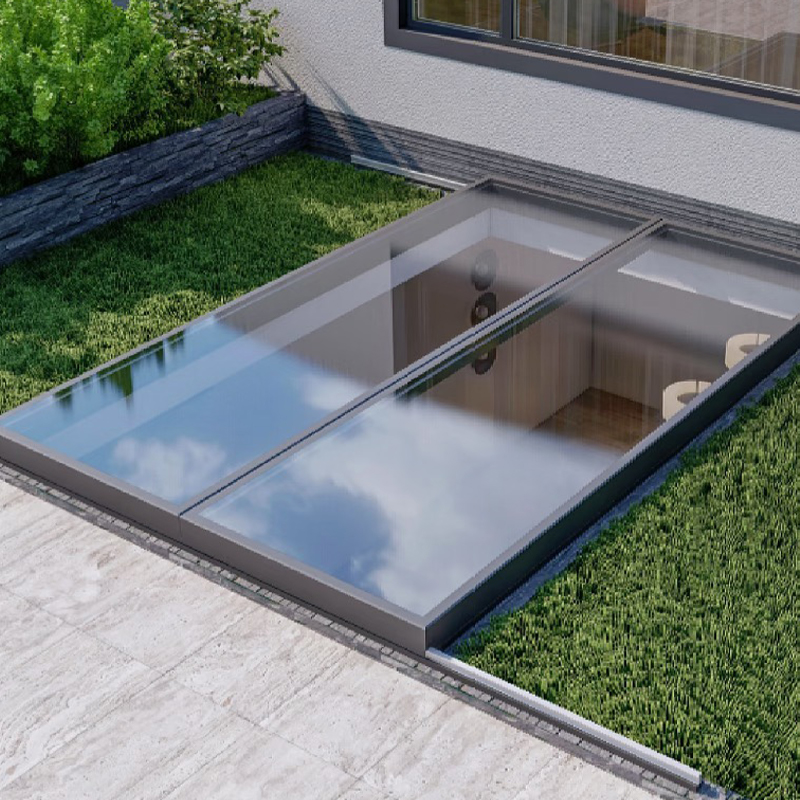
At Dongcheng, we manufacture aluminum windows, doors, curtain walls, sunrooms, skylights, louvers, and railings. ASTM B209 matters to us because the sheet and plate we use for panels, flashings, and structural components must meet agreed mechanical and dimensional requirements. When a customer requests a specific alloy or temper, we review the order against the applicable ASTM edition and coordinate with our supply chain to obtain the correct mill certificates.
 Composite Aluminum Panel Curtain WallComposite Aluminum Panel Curtain Wall features a sandwich construction in which two thin aluminum skins are bonded to a mineral-filled or polyethylene core, producing ...View Product →
For facade projects, composite aluminum panel curtain walls and unitized systems depend on flat, dimensionally stable sheets that can be cut, folded, and coated without unexpected distortion. The tolerances in ASTM B209 help our production team plan brake forming, routing, and assembly with confidence.
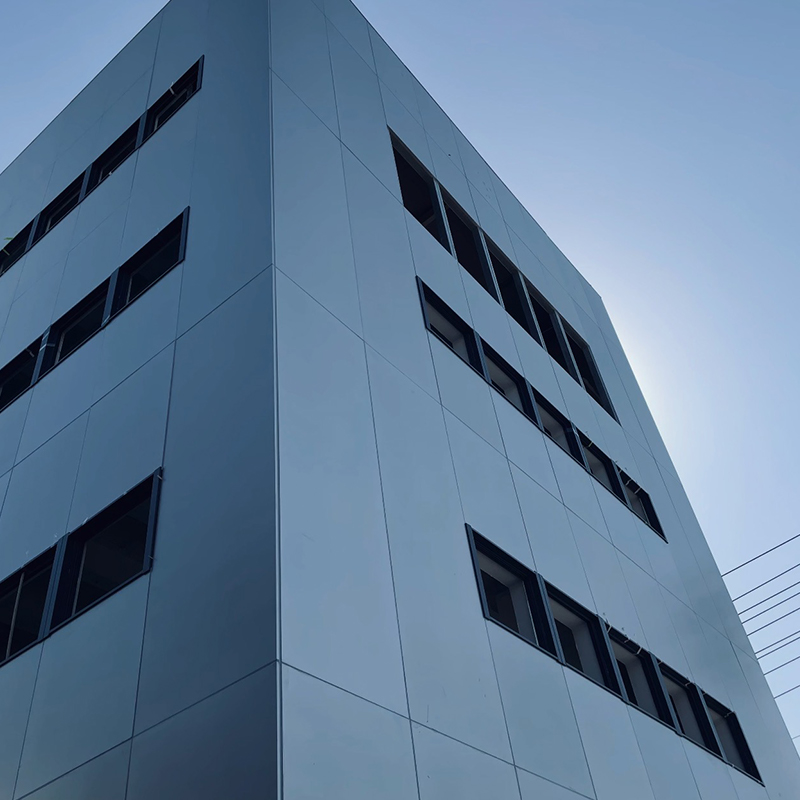 Unitized Aluminum Curtain WallUnitized Aluminum Curtain Wall is a factory-assembled facade system in which each complete floor-height panel unit — including the aluminum alloy frame, glass or infil...View Product →
On the window side, the same material discipline supports smooth operation and long service life. You can read more about how material choices affect performance in our sliding window benefits and installation guide.
We follow an ISO9000 quality management system and apply standardized controls throughout production. That does not replace the need for project-specific material verification, but it does mean that compliance with standards such as ASTM B209 is part of our normal workflow rather than an afterthought.
Searching for an ASTM B209 PDF is usually the first step toward specifying or verifying aluminum sheet and plate. The standard gives you a common language for alloys, tempers, properties, and tolerances. Use the official edition that matches your contract, check the key tables against your application, and ask your supplier for traceable certification. If you are planning a fenestration, curtain wall, or sunroom project, our team is ready to help you translate those material requirements into reliable building systems.



- Mobile
- Products
- Aluminum Window Series
- Aluminum Door Series
- Aluminum Sunroom Series
- Aluminum Sunroof Series
- Aluminum Louver Series
- Aluminum Railing Series
- Aluminum curtain wall
- Aluminum panel
- Aluminum door, window and curtain wall auxiliary materials
- Contact Us
-
-
+86-137 5720 8001

-
[email protected]

-
Room 102, Building 7, No. 399 Shushan Road, Hudong Street, Wuxing District, Huzhou City, Zhejiang Province, China

-


