

 English
  عربى
عربى 
Can Aluminum Rust in Water? Corrosion Facts for Windows & Building Projects
Aug 28, 2026
Content
Rain strikes an aluminum window frame thousands of times a year. Balcony railings stand through storm seasons, sunroom roofs collect puddles after every downpour, and bathroom doors handle steam and splashes daily. So the question comes up regularly from developers, contractors, and homeowners alike: can aluminum rust in water?
The direct answer is no. Rust is iron oxide, and aluminum contains no iron, so it cannot rust under any conditions. The fuller answer matters more, though: aluminum can corrode in water when specific conditions defeat its natural defenses, and understanding those conditions is what separates a system that performs for decades from one that stains and pits within a few seasons.
Rust and Corrosion Are Not the Same Thing
Rust is a specific compound: hydrated iron oxide that forms only when iron or steel reacts with oxygen and moisture over time. Because aluminum has no iron content, rust is chemically impossible on it. The flaking, reddish-brown corrosion you see on old steel railings or uncoated steel window frames simply cannot happen to aluminum.
What aluminum does instead is oxidize. Within hours of being cut or machined, bare aluminum reacts with oxygen and forms a thin, hard film of aluminum oxide, typically just a few nanometers thick. This film bonds tightly to the metal, stays stable in water across a wide pH range, and, most importantly, rebuilds itself when scratched. It is the reason aluminum survives outdoors so well and the reason the metal is trusted for facades, curtain walls, and structures near the sea.
When owners notice white or gray powdery residue, dull patches, or small pits on an aluminum surface, they often assume it has rusted. It has not. That is aluminum corrosion, meaning oxidation has advanced past the harmless protective stage, and it only happens under particular water-related conditions.
What Actually Happens to Aluminum in Water
In clean, neutral water, aluminum performs exceptionally well. Its oxide film stays intact and continues protecting the metal, which is why the material is widely used in water treatment plants and plumbing hardware. Field and laboratory experience show that the protective film remains stable roughly between pH 4 and pH 9, a range that covers most rainwater, tap water, and condensation found in buildings. Problems appear when the chemistry shifts or when water sits where it should drain away, as summarized below.
| Water Condition | Effect on Aluminum | Corrosion Risk |
|---|---|---|
| Neutral fresh water, pH 4 to 9 | Oxide film stays stable; the surface may dull slightly but metal loss is minimal | Low |
| Strongly acidic water, below pH 4 | The film dissolves, allowing etching and surface attack | Elevated |
| Strongly alkaline water, above pH 9 | The film breaks down and uniform thinning can occur | Elevated |
| Saltwater or coastal salt spray | Chloride ions penetrate the film and trigger pitting corrosion | High |
| Wet contact with steel, copper, or brass | Galvanic corrosion consumes the aluminum side of the joint | High |
Saltwater and Chlorides: The Main Threat
Salt is the most aggressive common challenge. Chloride ions work through microscopic weaknesses in the oxide film and create small, localized breaches. The result is pitting corrosion, tiny cavities that slowly deepen over years. Coastal projects face this even without direct immersion, because airborne salt settles on frames, railings, and louvers, then dissolves into a concentrated brine during every humid night. That is why a seaside installation often shows chalky stains years earlier than an identical inland one.
Galvanic Corrosion: When Water Completes the Circuit
Aluminum is more reactive than most construction metals, which creates a second failure mode. When aluminum stays in wet contact with steel, copper, or brass, and moisture bridges the two, an electrical cell forms. The water acts as the electrolyte and the aluminum becomes the anode, giving up metal ions to protect the nobler metal. In saltwater this reaction runs fast, and visible corrosion can appear within a single wet season. Bare steel screws driven into aluminum frames are the classic, and costly, example.
Trapped Water: The Quiet Contributor
Neutral rainwater still causes trouble if it pools inside a frame with no escape. As standing water slowly evaporates, it concentrates whatever salts and pollutants it carried, and locally depleted oxygen weakens the oxide film at the waterline. Clogged weep holes, unsealed sill joints, and flat glazing pockets are where most real-world aluminum corrosion actually begins, not in open rain itself.
Where Water Meets Aluminum in Real Buildings
Everything attached to a building envelope faces water eventually: window frames take driving rain, railings endure splashing and washing, skylights collect condensation on the inside, and sunroom structures shed roof runoff. Well-designed aluminum systems handle this in three layers. Profile geometry includes drainage channels and weep holes so water exits instead of lingering. Surface treatments such as anodizing or powder coating add a thick barrier on top of the natural oxide film. And consistent production under an ISO9000 quality system keeps tolerances tight enough for gaskets and seals to work as intended.
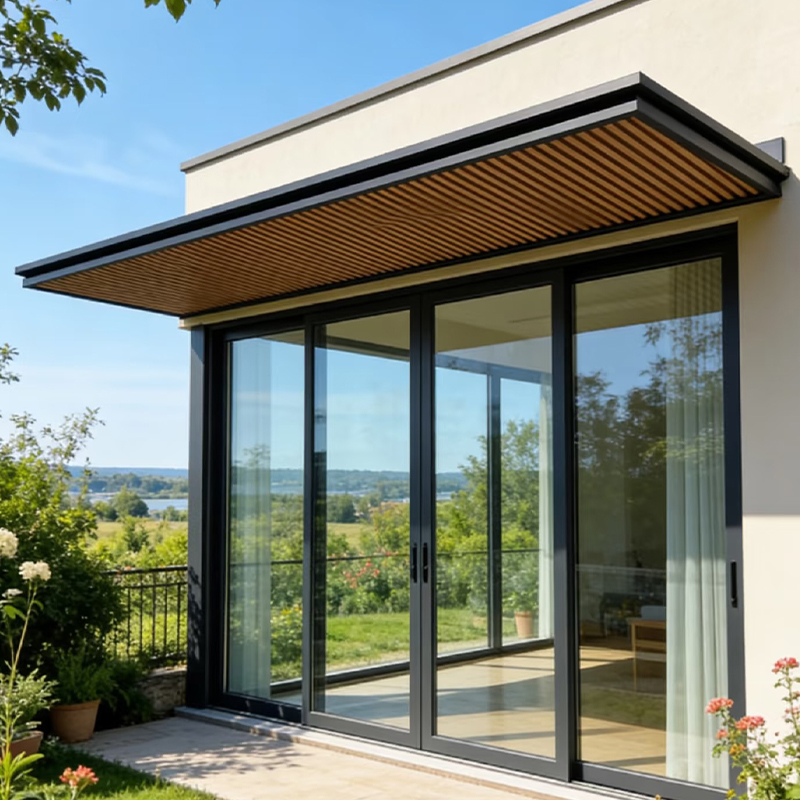
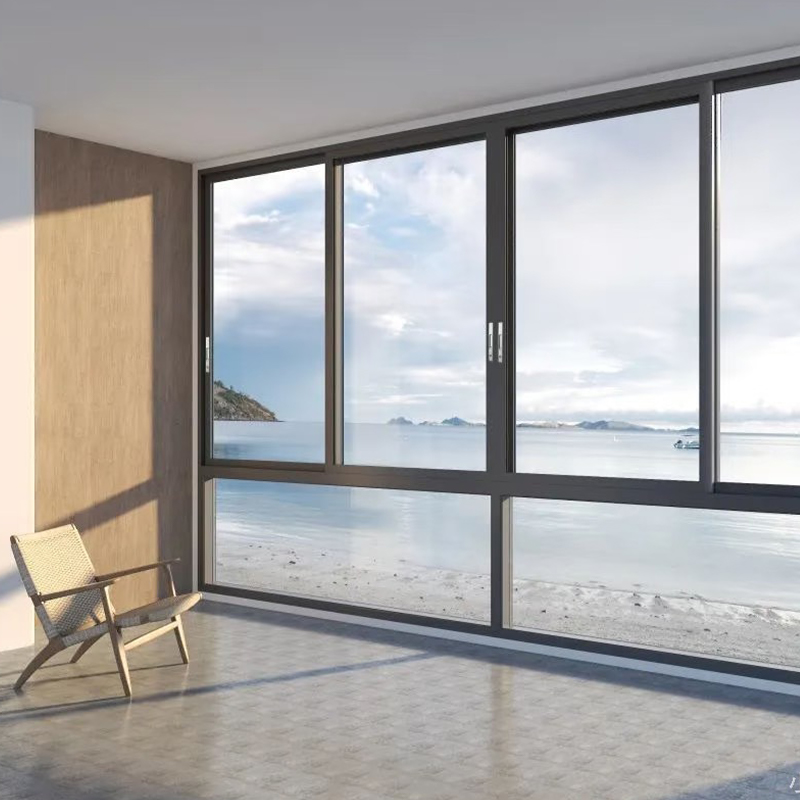
Product selection then matches the material to the exposure. For sliding openings in rain-exposed, sun-heavy positions, the specification should call out corrosion and UV resistance directly:
corrosion-resistant and UV-resistant sliding windows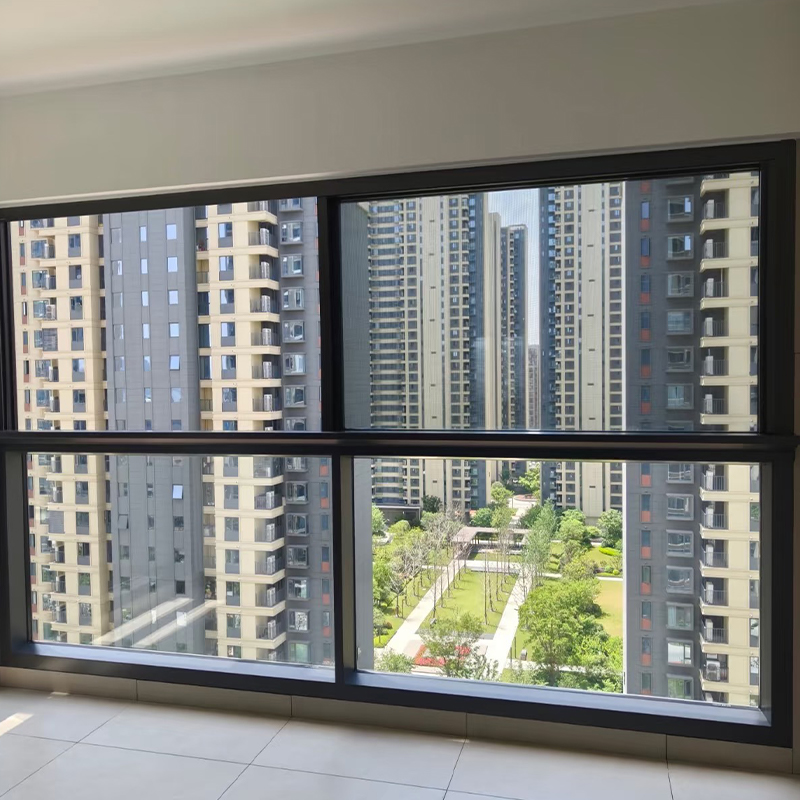 Corrosion and UV Resistant Aluminum Sliding WindowDesigned for rain-exposed, sun-heavy sliding openings, this aluminum window combines corrosion-resistant frames with a UV-stable finish, while its sealing and smooth sliding action suit balconies and coastal installations.View Product →
Guarding above podiums and balconies combines water exposure with structural loads, so both the finish and the profile thickness need attention:
anti-rust finish window railings with thickened structure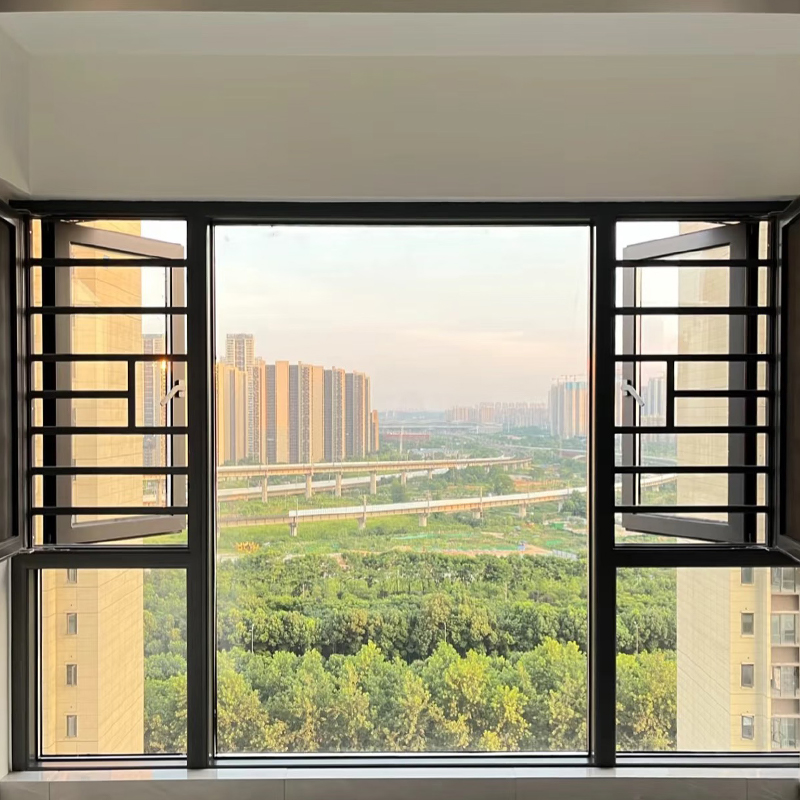 Anti-Rust Finish Aluminum Window Guard RailingSuitable for podiums and balconies where water exposure meets structural loads, this aluminum railing provides fall protection with an anti-corrosion, UV-resistant coating and integrates with window systems without blocking light.View Product →
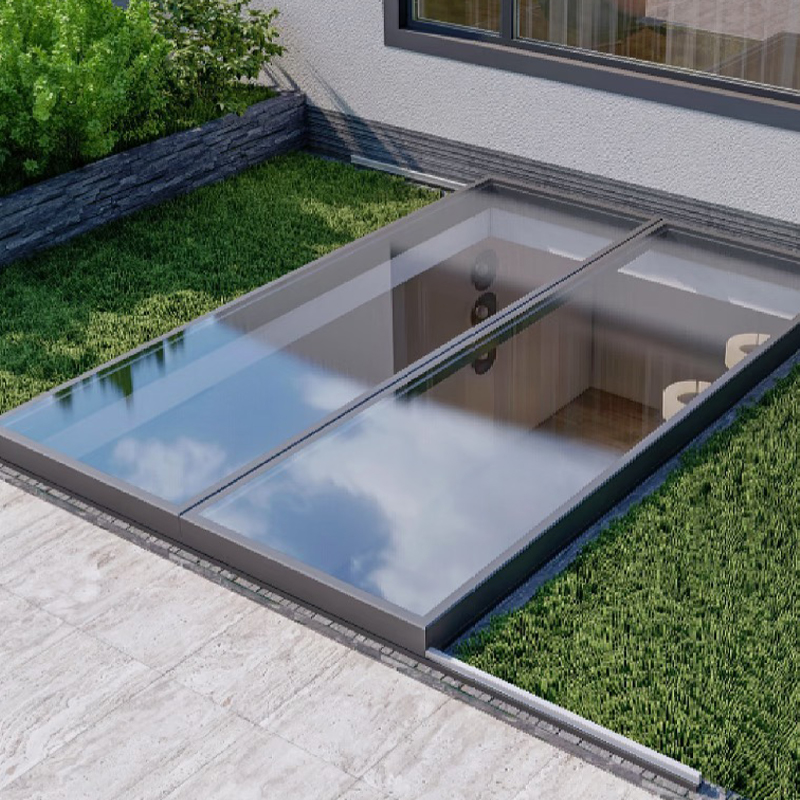
At roof level, the attack comes from both sides, condensation inside and driving rain outside, which is why skylight frames should be engineered with moisture control from the start:
moisture-protected electric skylights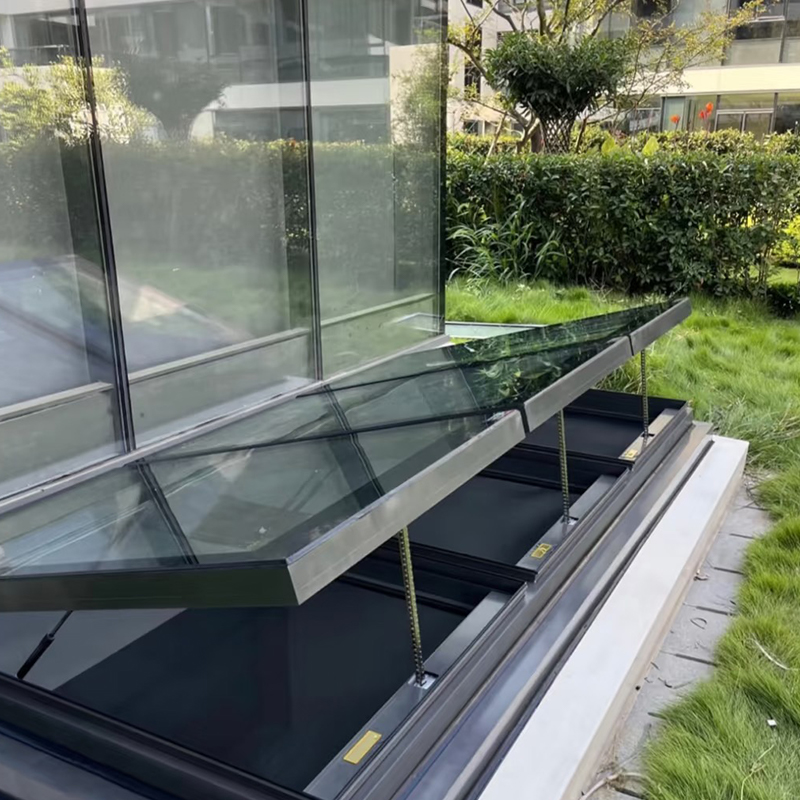 Electric Aluminum Skylight with Moisture ProtectionFor roof positions facing condensation and driving rain, this motorized skylight offers multi-layer waterproofing, an optional rain sensor, and remote or voice control for ventilating spaces like attics and sunrooms reliably.View Product →
If you are weighing sliding systems for a specific project, this aluminum sliding window guide covering benefits, costs, and installation walks through the specification process in practical detail.
How to Prevent Aluminum Corrosion in Wet or Coastal Projects
Water-related corrosion is predictable, and therefore preventable. On the project side, these habits cover most of the risk:
- Match the finish to the site. Specify anodizing or powder coating for coastal, high-humidity, or industrial locations rather than bare mill-finish aluminum.
- Protect drainage paths. Confirm that weep holes and channels exist in the profiles and that installation never blocks them with sealant or debris.
- Isolate dissimilar metals. Use coated or stainless fasteners and separation gaskets wherever aluminum meets structural steel, copper piping, or brass hardware.
- Keep water moving. Design sills, thresholds, and roof junctions to shed water quickly; a slope of a few degrees beats a flat pocket every time.
- Rinse salt deposits. In coastal buildings, a periodic freshwater rinse of frames and railings removes chloride residue before it can concentrate.
- Inspect seals annually. Aging gaskets let water into cavities where it stagnates, and replacing them early is far cheaper than replacing a corroded sash.
For procurement teams, the expensive mistakes are usually hidden at handover: bare steel fasteners inside joints, missing isolation pads against structural steel, and glazing details that trap water. None of these show up in the first year, which is exactly why they deserve a line item during factory inspection and site acceptance rather than a warranty claim later.
The Bottom Line
Aluminum does not rust in water, and that is chemistry, not marketing. It can corrode, but only when specific conditions defeat its oxide layer: salt-laden moisture, strongly acidic or alkaline water, wet contact with more noble metals, or water trapped where drainage has failed. Specify the right finish, demand clean drainage and metal isolation in the details, and keep up simple rinsing and seal checks, and aluminum windows, doors, railings, and skylights will hold their appearance and performance for decades, even in demanding coastal climates.
If you are evaluating systems for a wet or seaside project, the team at Dongcheng Menchuang manufactures a complete range of aluminum windows, doors, sunrooms, skylights, and curtain wall systems under ISO9000-controlled production, and we are glad to review your drawings and site exposure conditions before you finalize the specification.

- Mobile
- Products
- Aluminum Window Series
- Aluminum Door Series
- Aluminum Sunroom Series
- Aluminum Sunroof Series
- Aluminum Louver Series
- Aluminum Railing Series
- Aluminum curtain wall
- Aluminum panel
- Aluminum door, window and curtain wall auxiliary materials
- Contact Us
-
-
+86-137 5720 8001

-
[email protected]

-
Room 102, Building 7, No. 399 Shushan Road, Hudong Street, Wuxing District, Huzhou City, Zhejiang Province, China

-



