

 English
  عربى
عربى 
What to Use to Clean Aluminum: Safe Methods and Products for Every Surface
Sep 02, 2026
Content
Cleaning aluminum is not a one-size-fits-all job, but the right answer is often simpler than you expect. For most surfaces, a few drops of mild dish soap in warm water will do the job. For neglected outdoor parts, a one-to-one white vinegar and water solution is dependable. The important thing is to match your cleaner to the surface treatment and to rinse thoroughly. Avoid caustic soda, chlorine bleach, and coarse abrasives. This article lays out the practical choices that work on aluminum windows, doors, railings, and facade systems.
Why Cleaning Method Matters
Aluminum looks resistant, but its durability comes from an invisible oxide layer that forms naturally. When you use the wrong cleaner, you can dissolve that layer. The metal then loses its shine and becomes more sensitive to water, salt, and pollution. So before you reach for a product, consider whether the aluminum is raw, anodized, powder coated, or painted. Each finish reacts differently. Architectural products, such as sliding windows, casement doors, curtain walls, and window railings, face rain, UV radiation, bird droppings, and hand oils. A neutral, low-pH cleaner preserves the finish, while a harsh chemical can create a permanent haze or stain.
Safe Everyday Cleaners for Aluminum
For routine cleaning, you do not need a specialized product. Three household ingredients cover almost all daily dirt and light dust.
Mild Dish Soap and Warm Water
This is the safest choice for anodized and powder-coated aluminum. It removes fingerprints, grease, and normal street grime without disturbing the surface. Mix about half a teaspoon of liquid dish soap into a quart of warm water. Dip a soft cloth or sponge, wipe the surface gently, then rinse with clean water and dry.
White Vinegar Solution
White vinegar is acidic enough to cut through film and mineral deposits but mild enough for most aluminum. Mix equal parts white vinegar and water in a spray bottle. Spray the aluminum, let it sit for one or two minutes, and wipe with a soft cloth. Vinegar also helps with light oxidation on older aluminum that has lost its bright finish. Rinse thoroughly after using vinegar to prevent any lasting acidity on the surface.
Borax Paste
For stuck-on dirt or dried water spots, borax works well. Sprinkle borax onto a wet surface, or mix it with water to make a paste. Gently rub with a soft cloth, then rinse. Borax is a good choice for porous or weathered aluminum, but avoid using it on high-gloss anodized surfaces where it might be too abrasive.
| Cleaner | Best For | How to Use | Precautions |
|---|---|---|---|
| Dish soap + water | Daily grime, fingerprints, grease | Wipe with soft cloth, rinse | Do not use excess soap |
| White vinegar solution | Water spots, light oxidation | Spray, wait one minute, wipe, rinse | May need moisture barrier afterwards |
| Borax paste | Stubborn soil, weathered surfaces | Rub gently, rinse well | Not for polished finishes |
When You Need Something Stronger: Removing Oxidation
Oxidized aluminum appears as a dull, powdery white layer that makes windows or decorative pieces look old and faded. The thin oxide is normal, but heavy oxidation can build up when the metal is left outside in humid or coastal environments. To remove it without scratching, use a mild acidic substance. Cream of tartar mixed with water into a paste is a traditional and safe option. Lemon juice and water also works. For larger architectural surfaces, commercial aluminum cleaners certified for unfettered aluminum are available. Always test in a hidden spot first. It's worth noting that quality building products are designed to reduce oxidation problems. Our window railing, for example, uses an anti-rust finish and a thickened structure that resists water accumulation, which keeps maintenance intervals longer.
Cleaning Specific Aluminum Applications
Different building parts call for slightly different approaches. Applying the same cleaner to window frames, balcony railings, and curtain walls still works, but each surface has details that affect how you clean it.
For aluminum sliding windows, clean the frame first with the soap solution, then work on the glass. Pay attention to the bottom track and weep holes. Dirt there can cause water to pool and eventually weaken the frame. Dry everything with a microfiber towel to avoid water stains.
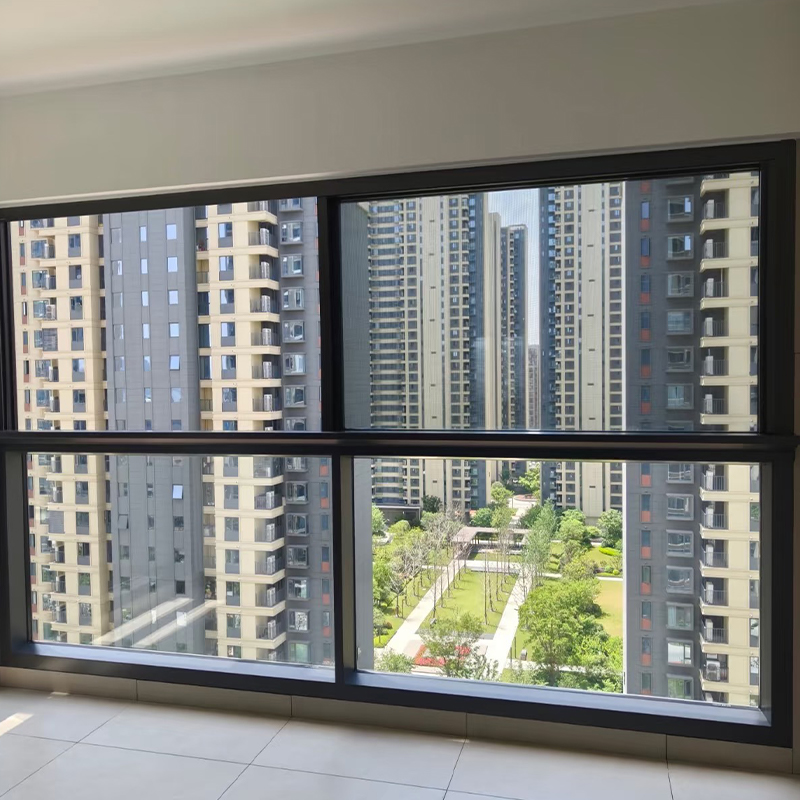 Corrosion and UV Resistant Aluminum Sliding WindowThis sliding window features a corrosion-resistant aluminum frame with UV-resistant finish, reducing maintenance needs. Its durable construction withstands harsh environments, making it a practical choice for areas exposed to urban grime and weather.View Product →
Balcony and window railings collect urban grime and road dust. Use a soft brush and soapy water for crevices around the supports. If the railing is powder coated, avoid scouring pads that can expose the metal. An anti-rust railing surface, like our window railing options, cleans up with less effort and stays protected for years.
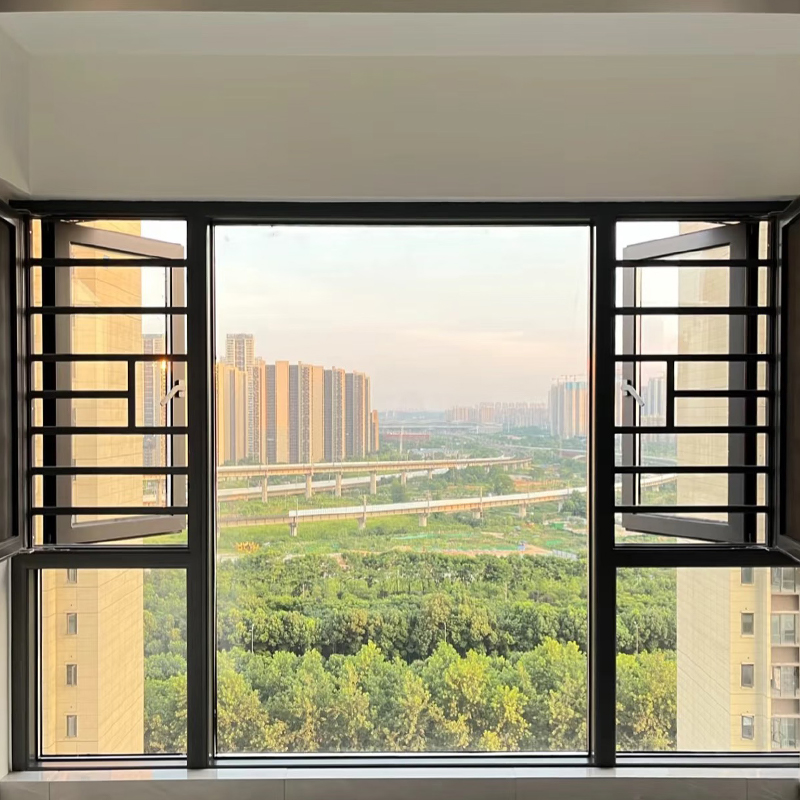 Anti-Rust Coated Aluminum Window RailingThe anti-rust finish on this aluminum railing protects against moisture and UV exposure, minimizing cleaning effort. Suitable for urban settings where railings collect dust, it ensures long-term appearance and safety with low upkeep.View Product →
Curtain walls are usually cleaned from the outside by professionals. For light cleaning, a neutral non-ionic detergent in water is the accepted method. It lifts pollution without damaging the panel coating. If the panels are composite aluminum, keep the sealant edges free from aggressive cleaners. The composite aluminum panel curtain wall system from our product catalog is an example of a solution meant for long-term maintenance with minimal chemical intervention.
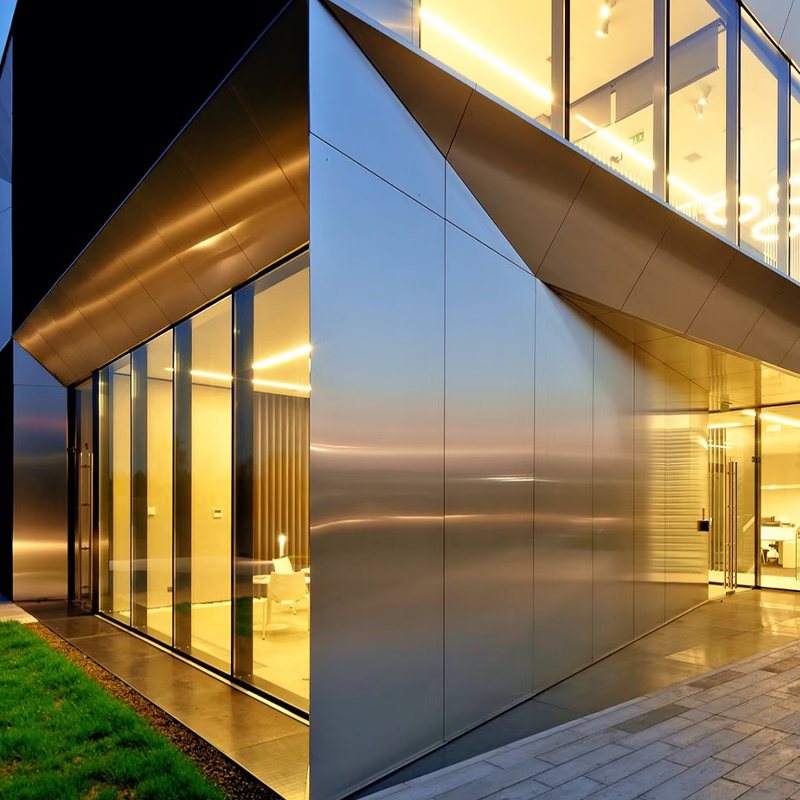 Composite Aluminum Panel Curtain Wall SystemThis curtain wall uses composite aluminum panels with a durable coating that resists pollution and degradation. Designed for easy maintenance, it requires only mild detergents for cleaning, making it ideal for professional exterior upkeep.View Product →
Tools and Techniques for a Streak-Free Finish
The right ingredients need the right tools. Use these basics to get a clean result without leaving marks.
- Microfiber cloths for final buffing and drying.
- A soft plastic or nylon bristle brush to reach into channels and corners.
- Clean water and a dedicated spray bottle or bucket.
- Gloves if the cleaner is acidic or degreasing.
When working on a large surface, wet the entire area first. Clean from top to bottom so dirty water does not run over already clean sections. Rinse with plenty of clean water, then dry immediately with a microfiber cloth. For anodized aluminum, drying quickly prevents the water spots that look like small dull circles.
What to Avoid When Cleaning Aluminum
Aluminum is softer than steel, so one wrong move can make the same surface worse. Here are the products to keep away from your aluminum:
- Caustic soda (sodium hydroxide) and lye destroy the protective oxide layer and cause rapid pitting.
- Chlorine bleach can corrode aluminum and leave dark stains.
- Abrasive cleaning powders and steel wool (except the finest grade) scratch anodized and polished surfaces.
- Muriatic acid or strong hydrochloric acid should never be used on architectural aluminum.
- Paint removers and strippers often contain solvents that attack powder coating or anodizing.
If you are not sure how a cleaner will interact with your aluminum, test it on an invisible corner. Wait a few minutes and observe whether the surface changes. When in doubt, the mild dish soap and water method is always the safest fallback.
How to Keep Aluminum Looking New Longer
Cleaning is one half of the maintenance story. The other half is prevention. Regular dusting or washing every few weeks stops small particles from scratching the finish. After rain, make sure drainage paths are not blocked, especially on aluminum windows and sunrooms. For exterior railing or facade components, check seals and door hardware regularly. Apply a thin layer of automotive wax or a non-staining protectant to very exposed anodized aluminum to reduce future cleaning effort. Our manufacturing process follows ISO quality management practices, so the aluminum systems we produce arrive with consistent, durable surfaces.
If you want a deeper look at how to care for aluminum sliding windows and what impacts their long-term performance, you can read our article on aluminum sliding windows benefits and installation guide. Or explore the full range of our aluminum door, window, and curtain wall systems.
Cleaning aluminum does not need exotic chemicals or hard scrubbing. With the right basic solutions and a little knowledge, you can keep your windows, railings, and facades looking bright for years. The key is to start gentle, understand the finish you are working with, and avoid anything that could strip that protective oxide layer. When you choose aluminum products built with quality finishes, maintenance becomes more about a quick wipe and less about heavy restoration.


- Mobile
- Products
- Aluminum Window Series
- Aluminum Door Series
- Aluminum Sunroom Series
- Aluminum Sunroof Series
- Aluminum Louver Series
- Aluminum Railing Series
- Aluminum curtain wall
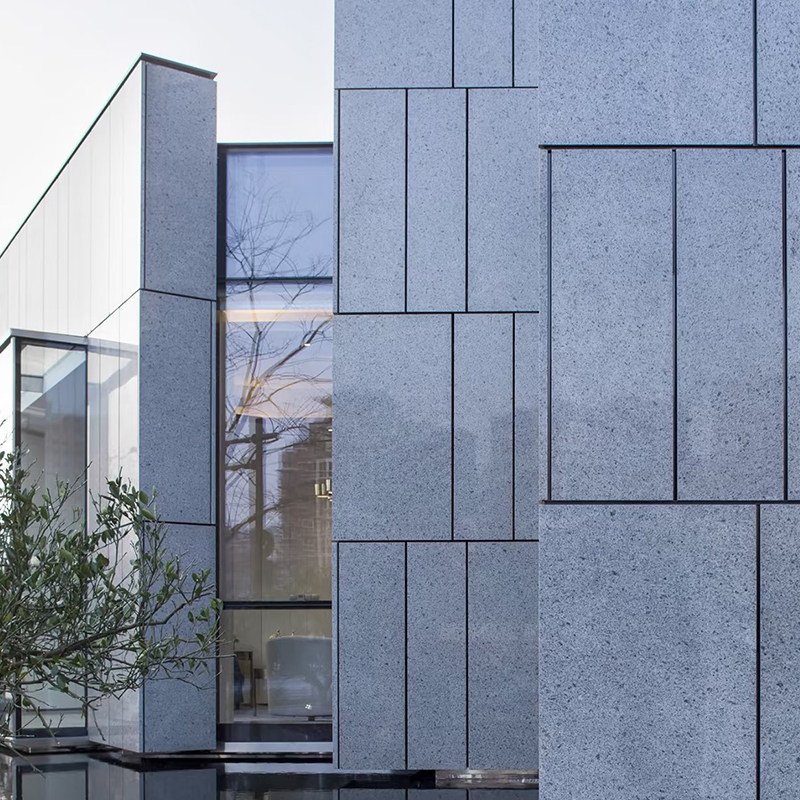
- Aluminum panel
- Aluminum door, window and curtain wall auxiliary materials
- Contact Us
-
-
+86-137 5720 8001

-
[email protected]

-
Room 102, Building 7, No. 399 Shushan Road, Hudong Street, Wuxing District, Huzhou City, Zhejiang Province, China

-



